Want to grow your own fresh salad greens? Skip the supermarket bags—lettuce is one of the simplest vegetables to cultivate in containers. As a seasoned gardener with years of balcony and pot-growing experience, I've harvested crisp, organic leaves in just days, even without a full garden.
Ideal for apartments or small balconies, lettuce produces continuously, giving you fresh greens year-round.
Lettuce is packed with water, fiber, vitamins, and minerals like calcium, magnesium, potassium, and sodium. It's excellent for digestive health and supports nervous system function.
From seed, most varieties yield in 8 weeks. For faster results, buy young plants and transplant into pots—leaves appear in days.
Here's how to grow lettuce in pots easily, even if you're new to gardening. Follow these proven steps:
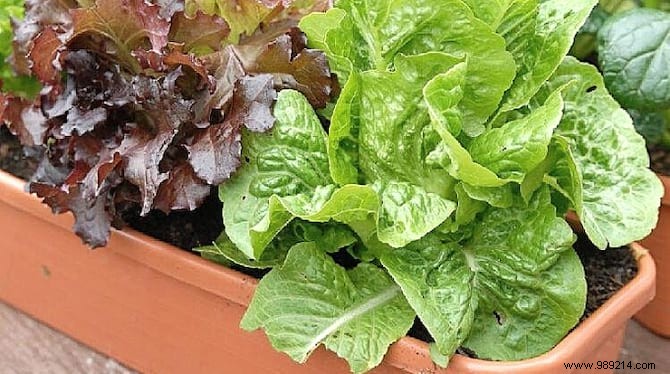
Most lettuce varieties thrive in pots. Their shallow roots need little depth—wide, shallow containers under 15 cm deep with drainage holes work best.
Plastic, clay, or terracotta all suit. In hot climates, opt for clay pots and heat-tolerant varieties, based on my own successful grows.
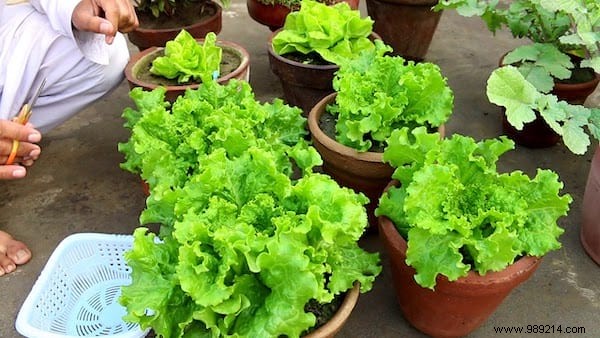
Lettuce favors cool, temperate conditions and partial shade. Sow from spring to fall in most areas; protect from frost with a mini greenhouse.
In warm regions, grow through winter. Start from seeds, seedlings, or nursery plants. For steady supply, sow every 2 weeks. In heat, shade cool spots.
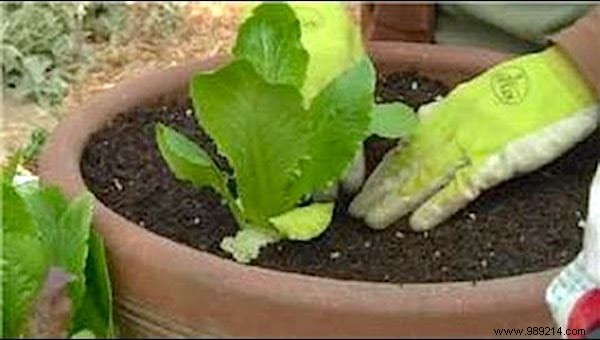
In pots, harvest outer leaves as needed—no strict spacing required. For seeds, sow densely, thin to 10-15 cm, eating thinnings. Head lettuces need 20 cm depth and more space.
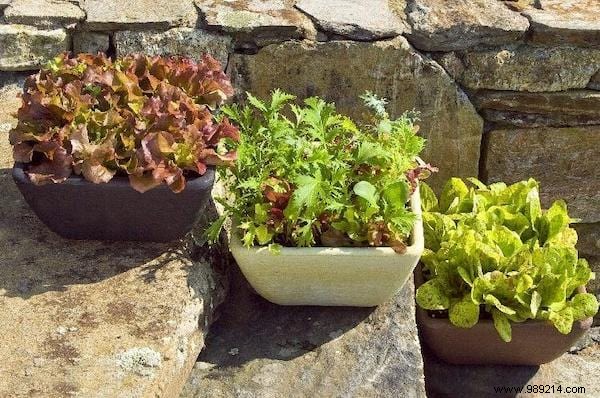
Lettuce loves morning sun in cool climates or partial shade. In hot areas, provide afternoon shade to keep soil moist—move pots as needed to avoid scorching.
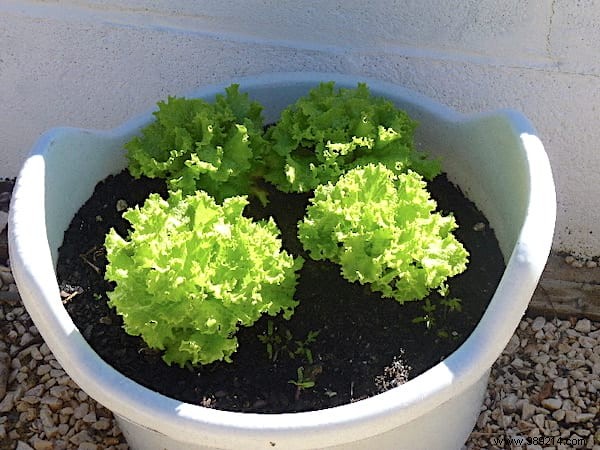
Use quality soil rich in organic matter: compost, peat, or aged manure. Ensure it's loamy and well-draining to prevent waterlogging.
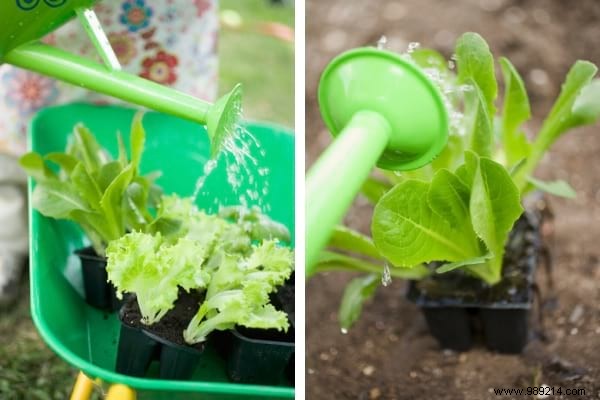
In shallow pots, water frequently to maintain even moisture without sogginess—overwatering causes root rot.
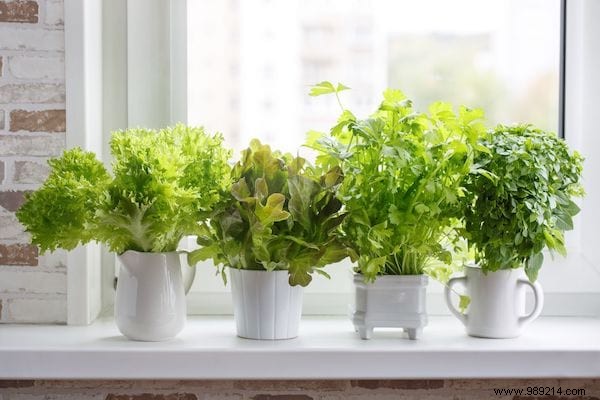
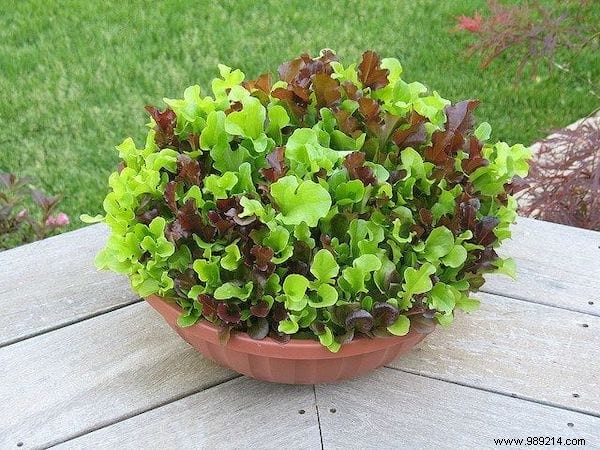
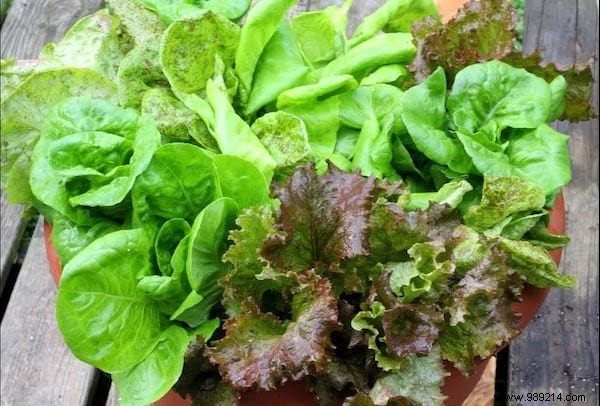
For pots, pick compact types like Blonde oak leaf, Batavia 'Lattughino', or 'Tom Pouce'. Fast growers: arugula, 'Ice Queen', 'Grand Rapids'. Colorful: 'Grenobloise Red' or 'Merlot'. Mix for variety.
Fertilize after roots establish. Skip chemicals—use these 5 natural options for boosted growth.
Monitor for pests like aphids, caterpillars, slugs. Common issues: mildew, leaf spot. Healthy plants resist best. To discover: The Natural Insecticide Every Gardener Should Know.
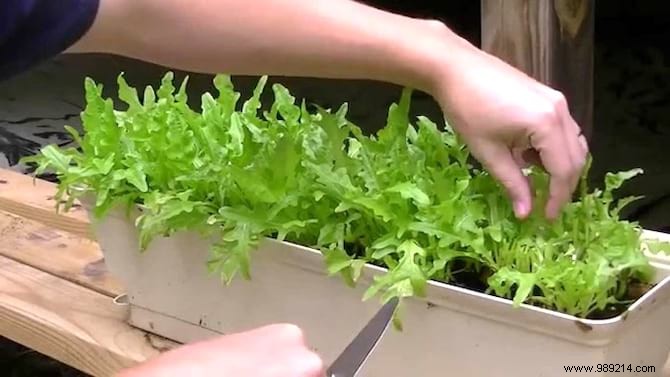
At 10-15 cm, pick outer leaves or cut 2-3 cm above the crown. Avoid cutting below to ensure regrowth. Harvest young for continuous supply all season.
