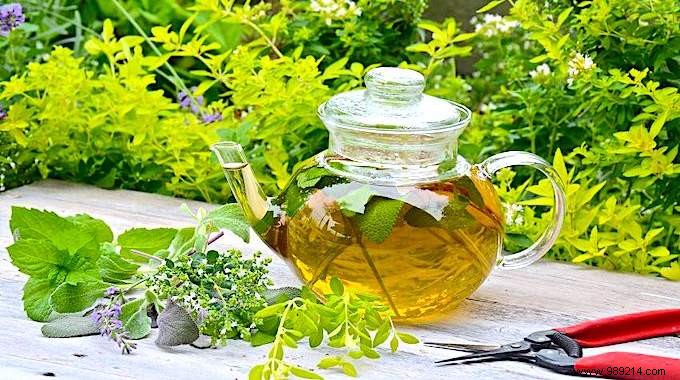
Love the soothing ritual of homemade herbal teas? As an experienced gardener with years cultivating therapeutic plants, I recommend growing your own. It's simple, ensures pesticide-free brews, and saves money over store-bought bags.
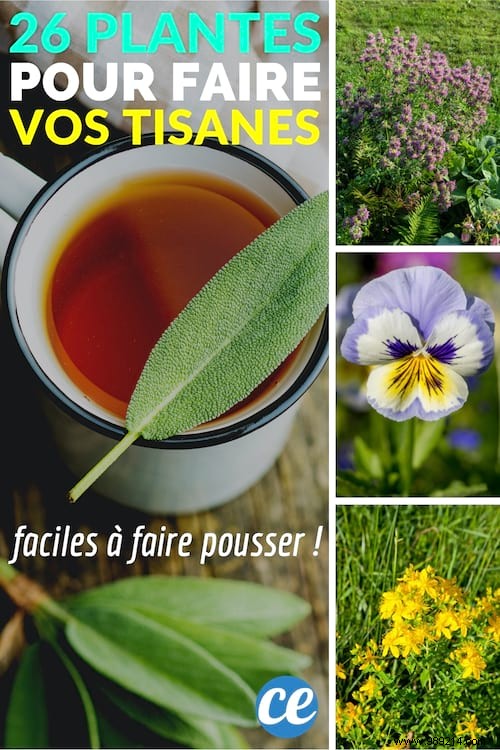
These 26 resilient herbs thrive in gardens, pots, or even indoors. Here's how to grow and brew them for optimal flavor and benefits.
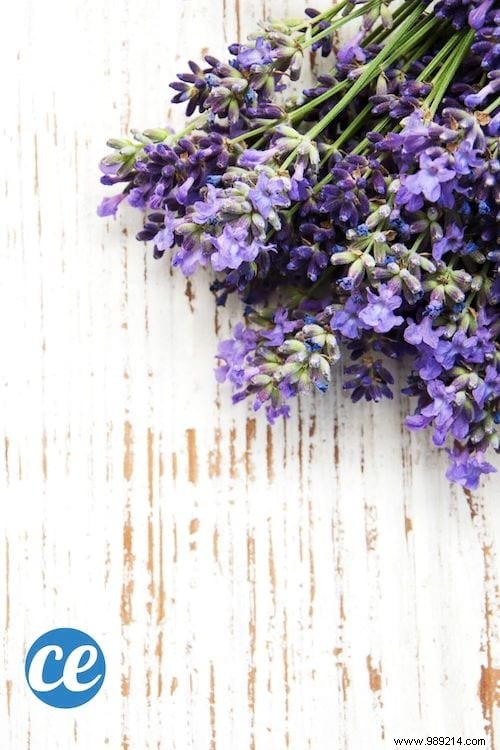
Lavender's floral notes create a calming infusion ideal for easing tension and headaches. Harvest flowers for a sweet, fragrant tea. Plant in full sun with well-drained soil; it's low-maintenance and drought-tolerant.
Explore: The 6 Incredible Uses of Lavender.
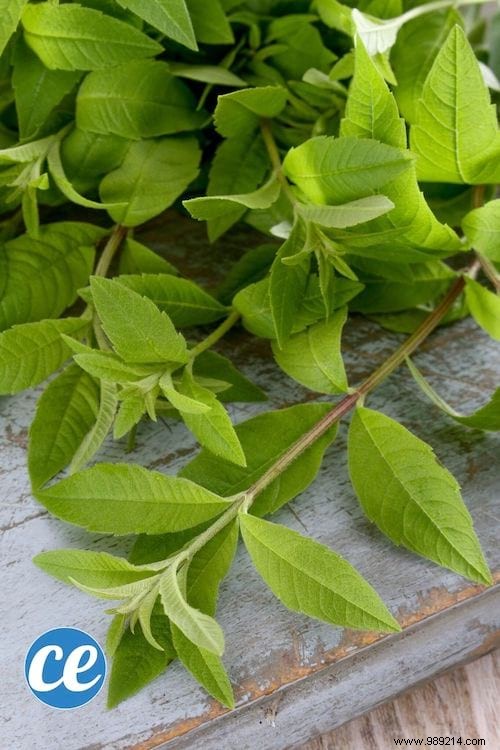
Its zesty leaves aid digestion, joint pain, and asthma. Refreshing and tangy, it loves full sun but dies below -10°C. Ideal for pots in subtropical climates or overwinter indoors.
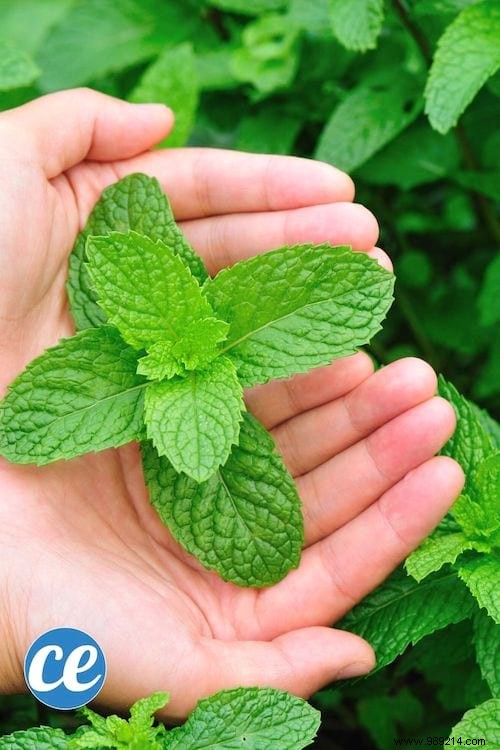
A favorite for its refreshing brew that soothes cramps, boosts appetite, and cuts flatulence. Vigorous and invasive, contain it in pots with moist soil in sun or partial shade.
Explore: The 3 Virtues of Mint You Don't Know.
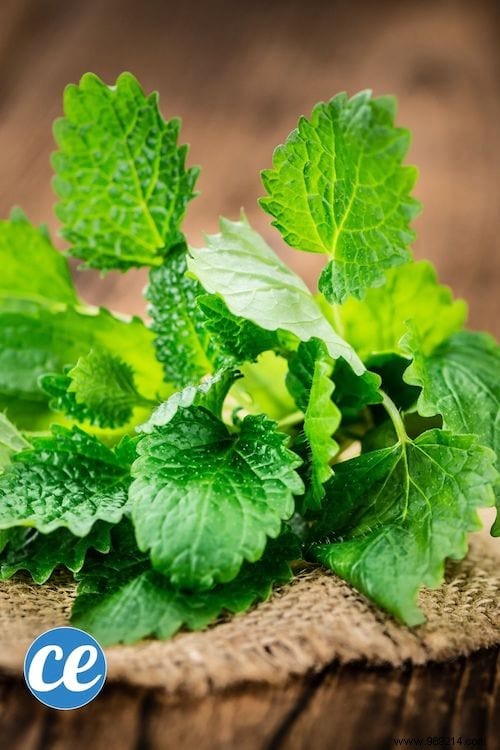
This lemon-scented mint relative flavors teas and desserts. It prefers dry, partially shaded soil; pot it to control spread. Dies back in winter but rebounds in spring.
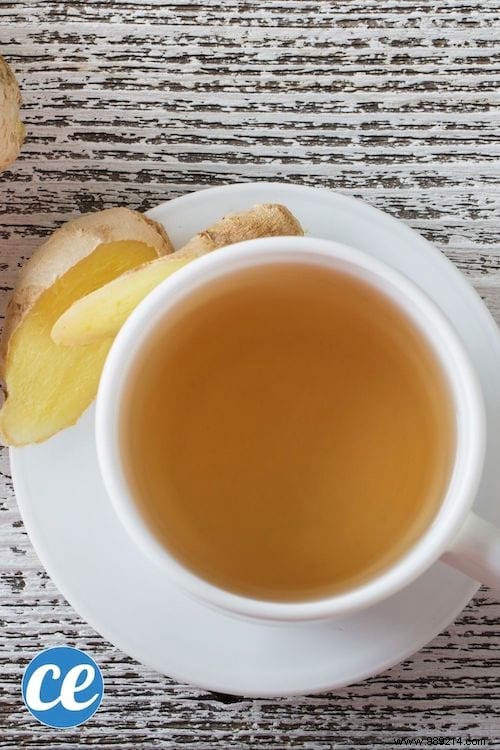
Roots and leaves make antioxidant-rich teas for colds, nausea, and digestion. Easy in moist, filtered-sun spots; thrives in subtropical zones with minimal fuss.
Explore: How to Grow Unlimited Ginger at Home.
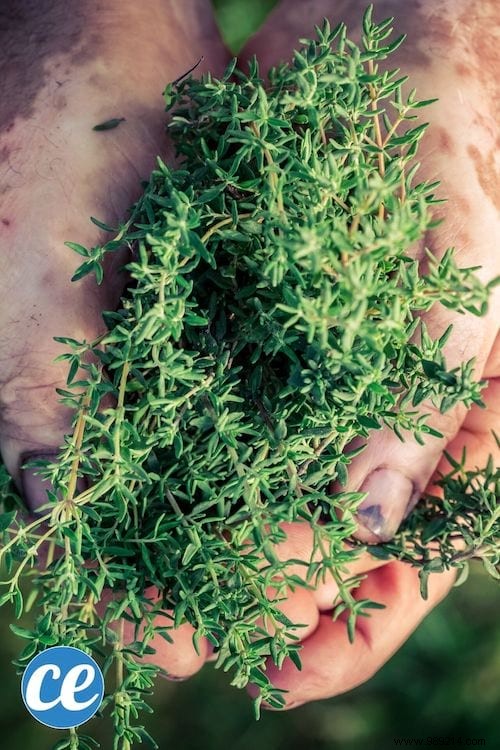
Leaves and flowers calm stomachs and throats. Sun-loving and low-care, it tolerates partial shade too.
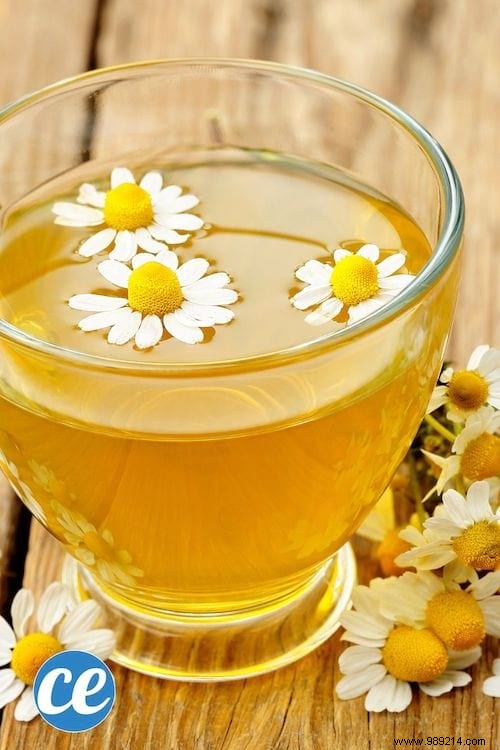
Daisy-like flowers brew sleep-promoting tea with an apple scent. Use flowers; Roman variety is bolder. Prefers sandy soil, sun, and summer water in varied climates.
Explore: Relieve Conjunctivitis with Chamomile Infusion.
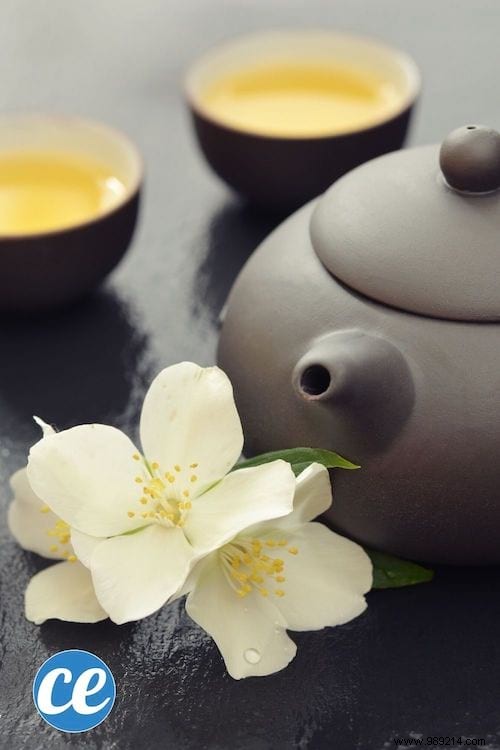
Fresh or dried flowers pair with green tea or solo. Climbs in full sun; pot and shelter from harsh winters.
Explore: 6 Plants to Grow in Your Bedroom for Better Health.
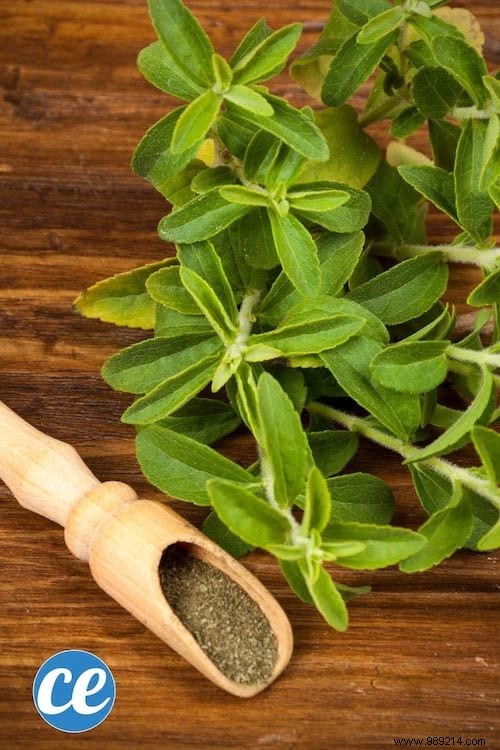
Sweet leaves naturally sweeten teas—perfect for diabetics. Heat-loving; pot for cold climates.
Explore: 3 Substitutes to Replace Sugar and Protect Health.
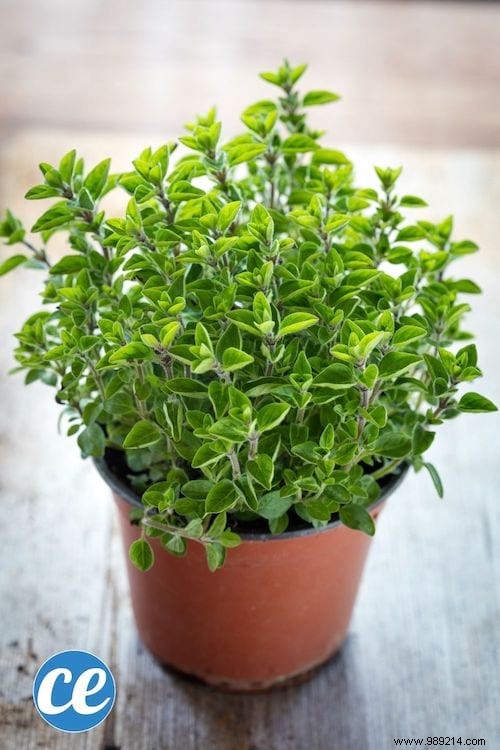
Fruity-minty brew eases digestion and cramps. Full sun, well-drained soil; shade-tolerant.
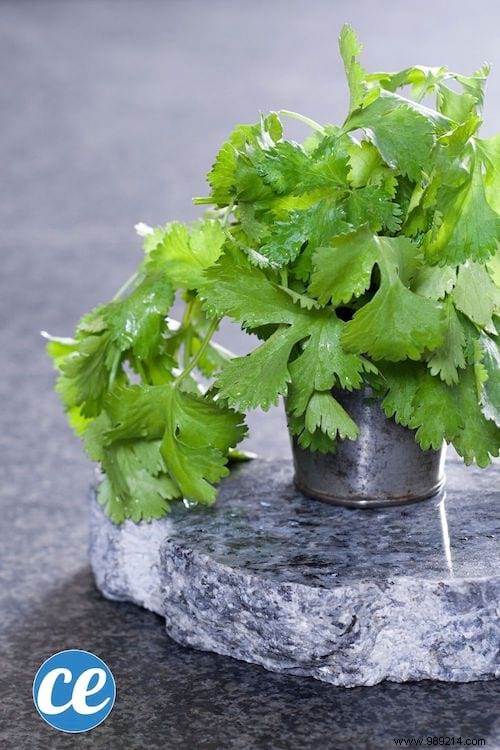
Seeds or leaves mimic Lady Gray tea; aids acidity and detox. Annual, container-friendly in sun or shade.
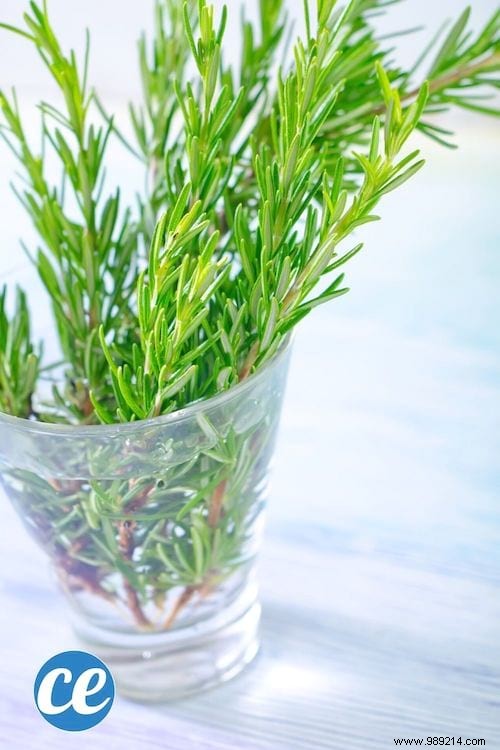
Boosts digestion and memory; antioxidant powerhouse. Full sun, light soil.
Explore: Study: Smelling Rosemary Boosts Memory by 75%.
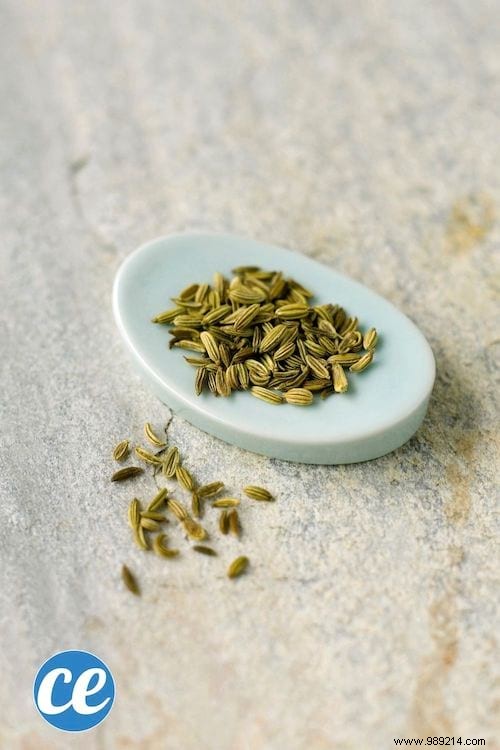
Seeds relieve bloating and IBS. Moist soil, full/partial sun in mild climates.
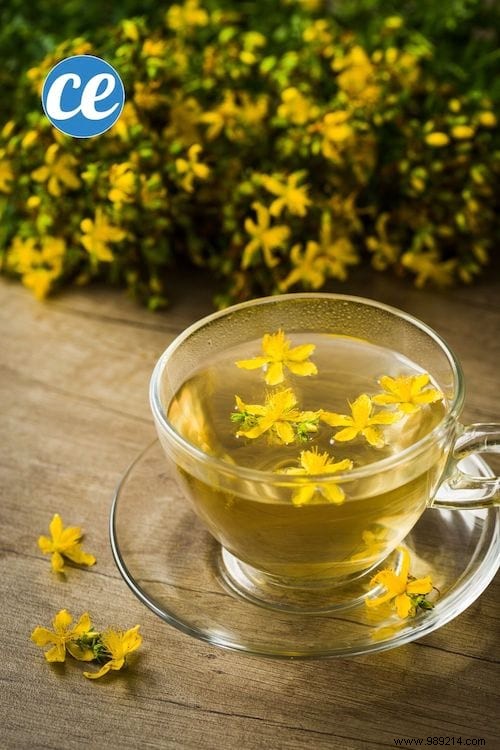
Calms nerves, insomnia, anxiety—consult a doctor for interactions. Note potential side effects like headaches.
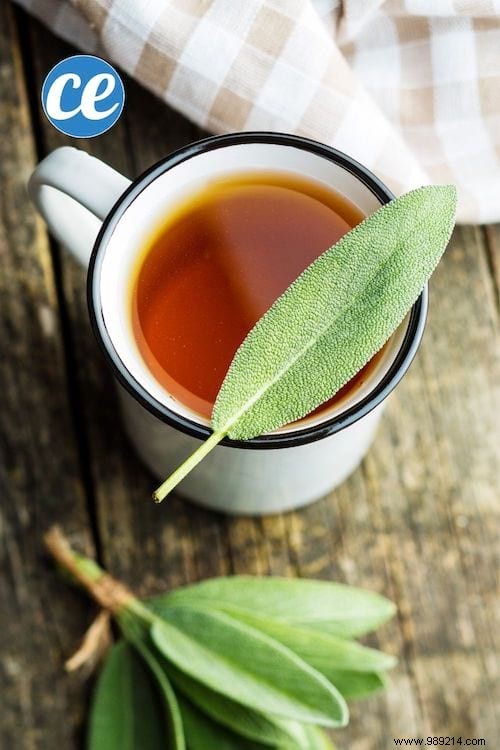
Antiseptic for throats and sores; fights depression. Steep 1 tbsp leaves 3-5 mins, add honey. Regular water in pots.
Explore: Burn Bay Leaves and See What Happens After 10 Minutes.
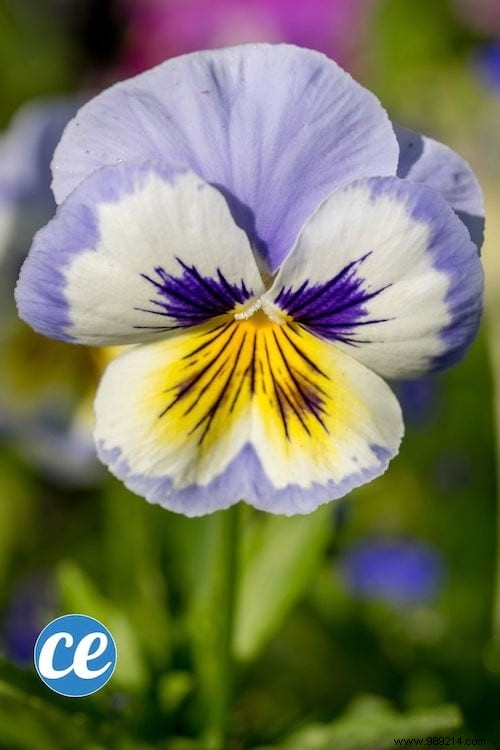
Whole plant combats allergies and throats. Partial shade, acidic-neutral soil in cool climates.
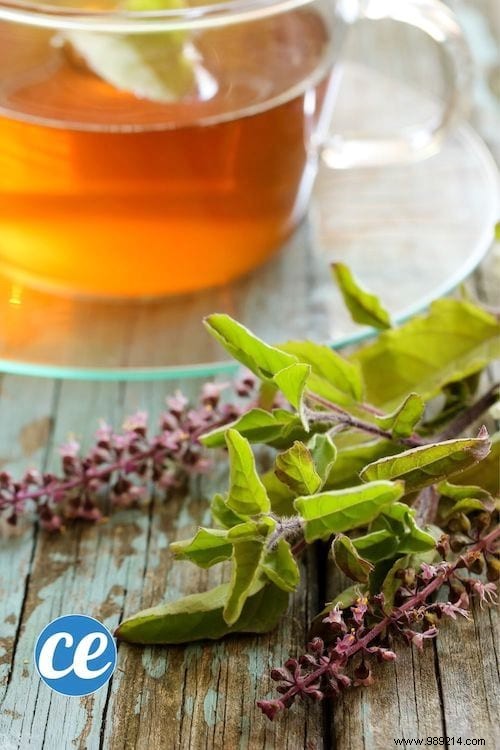
Holy basil (tulsi) relieves stress, coughs; lowers sugar. Warm, 20-30°C spots.
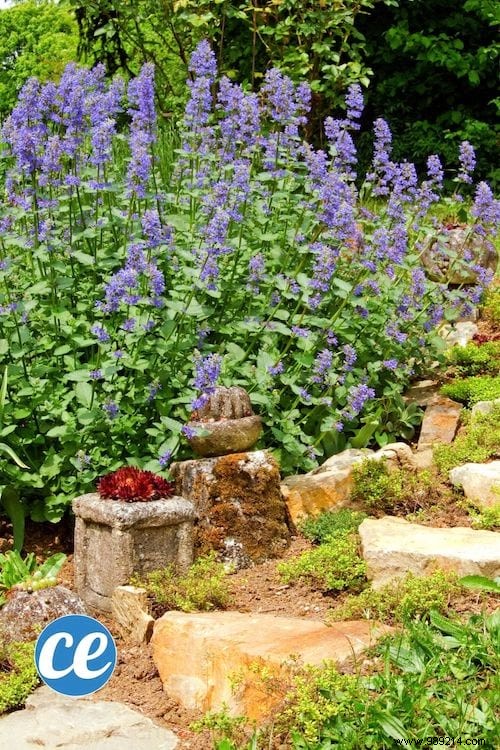
Sedative for digestion, headaches, stress. Leaves/flowers; sun/partial shade, drained soil.
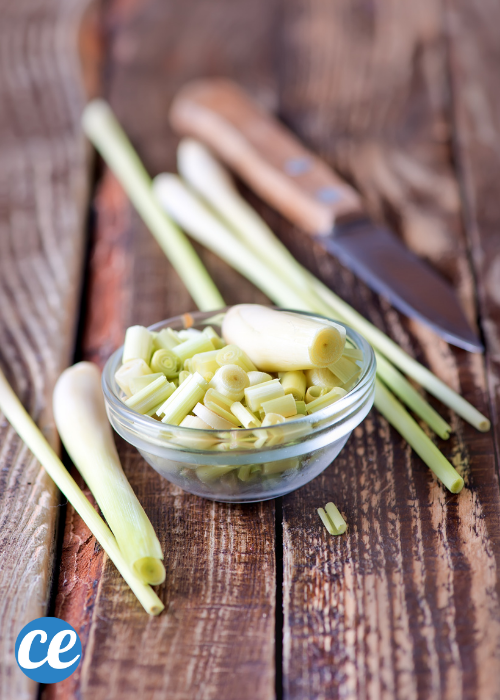
Lemony brew repels pests. Sunny, watered pots; overwinter indoors.
Explore: Lemongrass: How to Grow It and Enjoy Its Benefits.
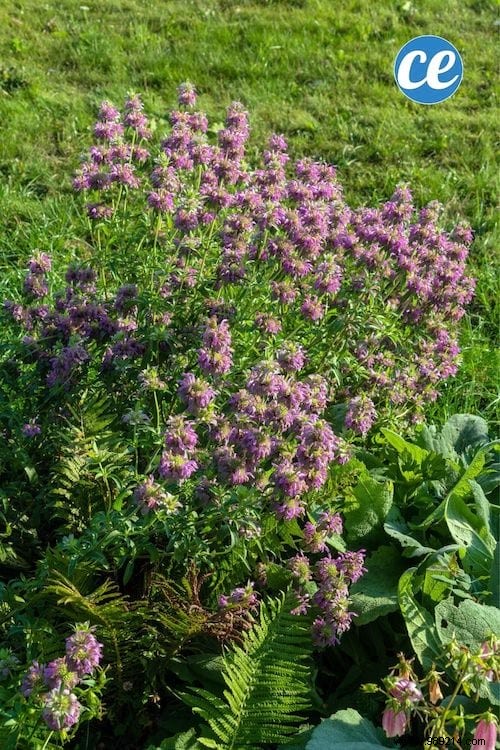
Mild minty tea for colds/throats. Hardy perennial, colorful, easy.
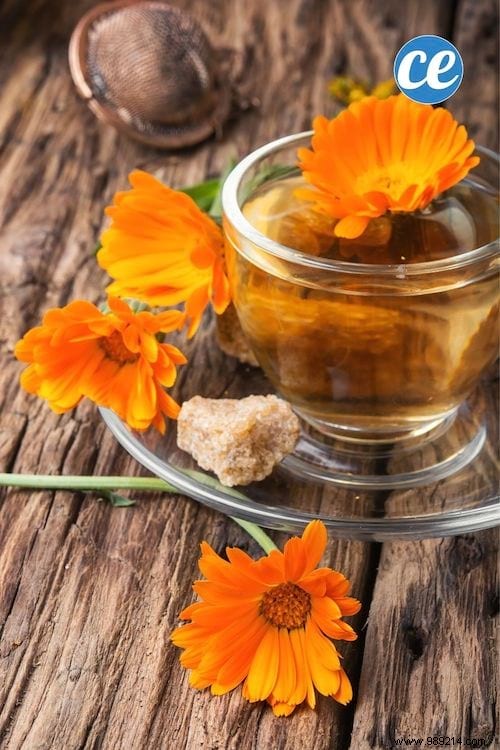
Anti-inflammatory flowers for throats/UTIs. Annual in cold areas; Mediterranean favorite.
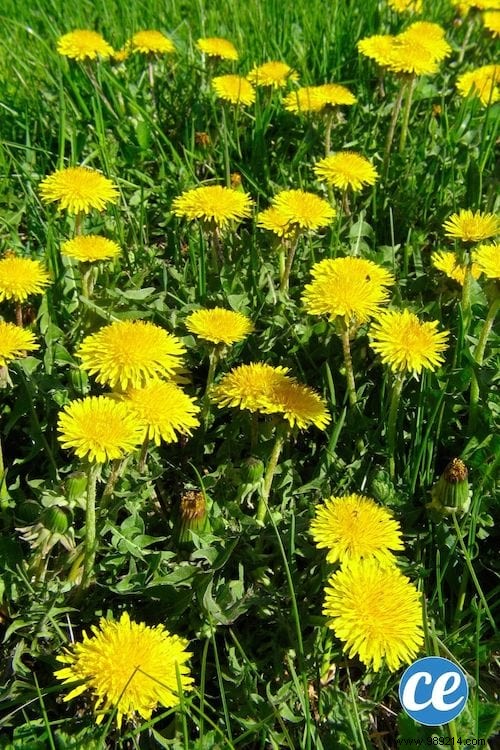
Nutrient-packed (vitamins A/C/K) for digestion—not just a weed!
Explore: Dandelions Are Edible and Great for Health!
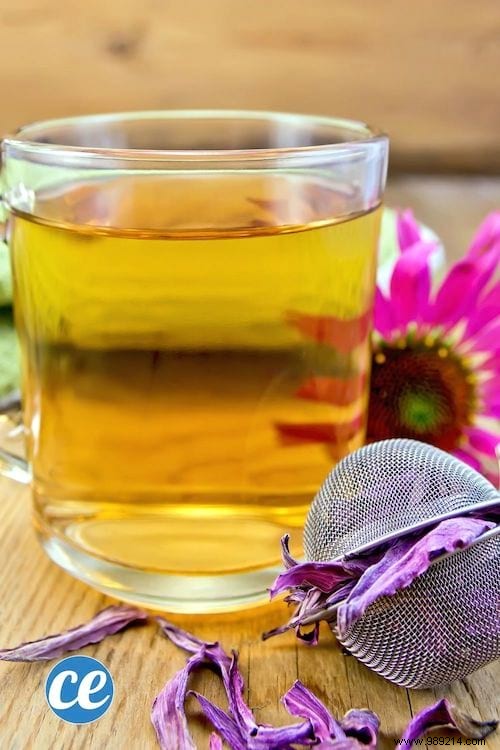
Immunity booster for colds; floral taste with honey. Sun, drained soil.
Explore: 9 Health Benefits of Echinacea.
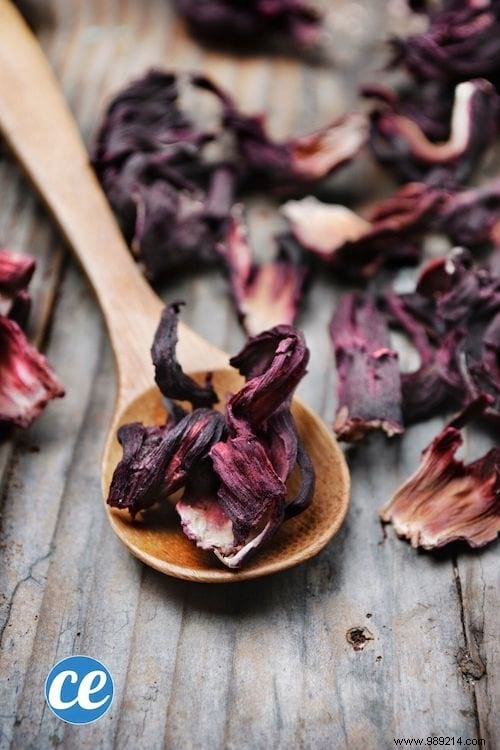
Tart, vitamin C-rich (edible varieties only). Aids digestion, pressure; warm climates.
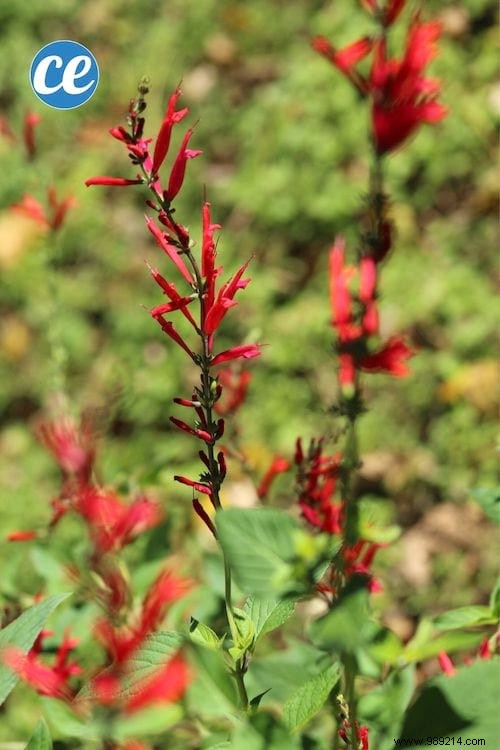
Pineapple-sage tea with antioxidants. Sun, drained soil; pots to -7°C.
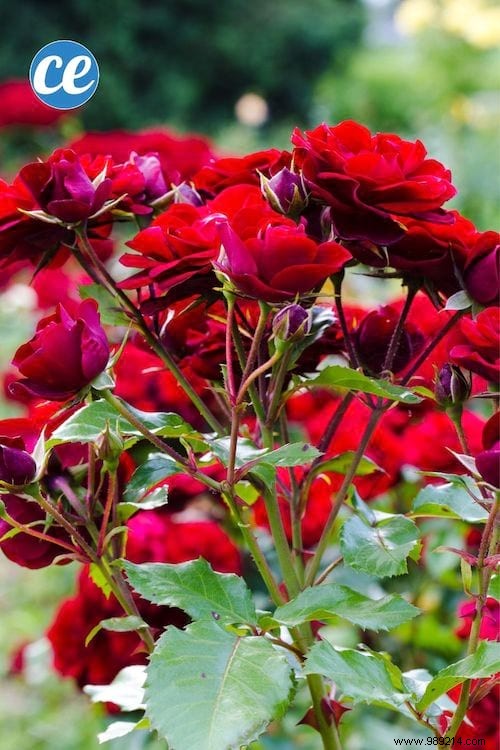
Petals/hips pack vitamin C for immunity/cramps. Fruity-floral delight.
Explore: Homemade Rose Water Recipe in 20 Minutes!
Space-limited? Use pots, balconies, or vertical indoor gardens. Match plants to your climate and tastes. Harvest fresh or dry sparingly—grow multiples of favorites. Skip chemicals for pure teas.
