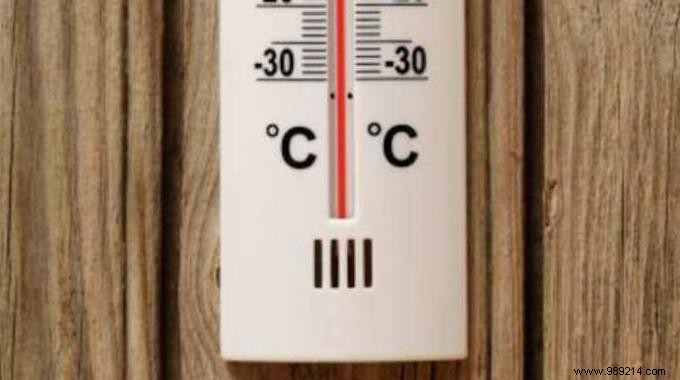
Maintaining the right temperature in your home promotes better health, saves on heating costs, and prevents discomfort from overly warm spaces.
The sweet spot is neither too cold nor too hot—even during winter. Wondering about the optimal temperature for your house, apartment, or studio? Our expert tips will help you achieve it consistently.
Determining how much to heat your home depends on the room and time of day. Here's what our experience shows:
- The ideal room temperature at home is between a minimum of 17°C and a maximum of 19°C.
- For the bedroom: 17°C is perfect. Many prefer turning off the heating at night under a warm duvet, as sleeping too warm can disrupt rest.
Even in the baby's room, keep it between 18 and 20°C—19°C is often ideal for health.
- In the morning, set 19°C throughout the house or just in living areas for comfortable, economical warmth.
- For the bathroom, 20°C suffices.
- When away during the day, set to 14°C. For longer absences, switch to frost protection mode.
Achieving and maintaining these temperatures for health and savings requires smart tools. A thermostat is essential—it precisely measures and controls room temperatures without needing a separate thermometer.
Install thermostatic radiator valves for individual room adjustments down to the nearest degree, moderating heat or cold effectively across your home.
These are recommended averages, adaptable for very cold evenings or milder mid-season days like autumn.
Precise control saves significantly—avoid excess heat and cut unnecessary bills. The upfront cost of thermostatic valves pays off quickly, turning expenses into long-term gains.
