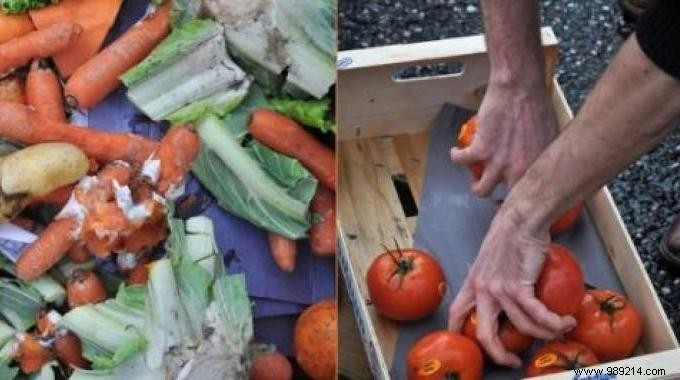
Installing a compost bin in your garden is a smart, cost-effective way to turn household waste into nutrient-rich natural fertilizer. As experienced gardeners know, nearly 40% of household waste is compostable.
Your everyday trash can become a valuable, free fertilizer source for thriving plants.
This natural fermentation process converts organic waste into odorless, garden-ready compost packed with essential nutrients.
Why not set up a compost bin today and start recycling your organic waste?
1. Grass clippings, fireplace ashes, sawdust, and wood chips.
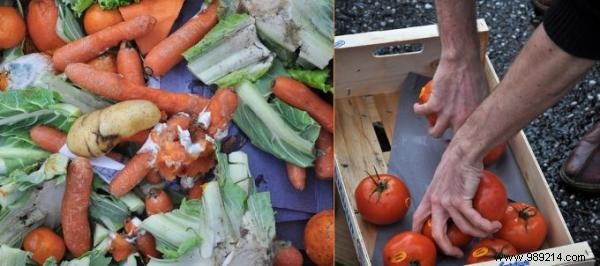
2. Vegetable and fruit scraps (skins, peelings, stems, etc.).
3. Ham rinds and cheese crusts.
4. Bread leftovers, corn cobs, and eggshells.
5. Straw, tissues, paper towels, and unprinted paper.
6. Coffee grounds, filters, and tea bags.
7. Hazelnut, peanut, and walnut shells.
Pro Tip: Smaller, finely chopped waste breaks down faster, speeding up the composting process.
1. Meat and fish scraps.
2. Dairy products.
3. Fats, sauces, and cheese.
4. Printed paper (due to chemical inks).
5. Weeds and diseased plants.
Commercial fertilizers for enriching garden soil are pricey—expect 7 to 8 € per kilo.
Often, you'll need specific types for different plants: one for tomatoes, another for strawberries, roses, or flowers. The costs add up fast!
For instance, purchasing four varieties could exceed 40 €.
With plants, seeds, and bulbs already expensive, skip costly, potentially polluting products. Homemade compost from recycled waste is versatile, nutrient-dense, and completely free!
