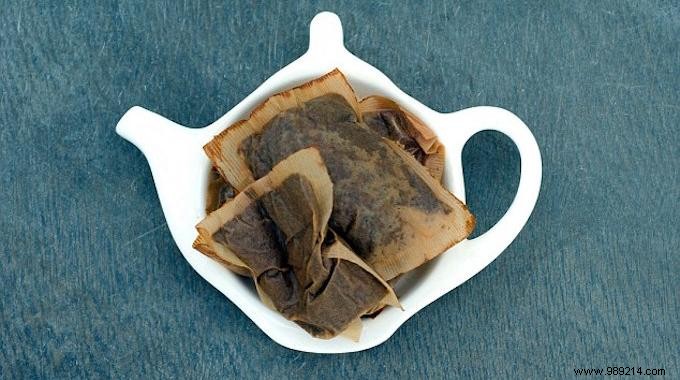
Many tea drinkers brew one cup per tea bag and discard it immediately. But as someone who's reused countless tea bags in my own home over years of experimentation, I can tell you there's far more potential here.
Start by brewing a second cup from the same bag—it's weaker, but combining two delivers full flavor. Beyond that, discover 20 practical, tested ways to extend their life and reduce waste.
 Contents
 Used tea bags are perfectly safe for a second—or even third—brew. In my household, we routinely get multiple cups from robust varieties like green or rooibos teas, while delicate white teas hold up less well.
Simply add a used bag to fresh hot water. For stronger flavor, use two together. It's economical and delivers a satisfying cup every time.
After your tea brew, repurpose the bag to infuse subtle flavors into grains. Toss used bags into boiling water, remove before adding pasta, rice, or oats.
Try jasmine with rice, green tea with noodles, or cinnamon with oatmeal—the results are surprisingly delicious and elevate simple meals effortlessly.
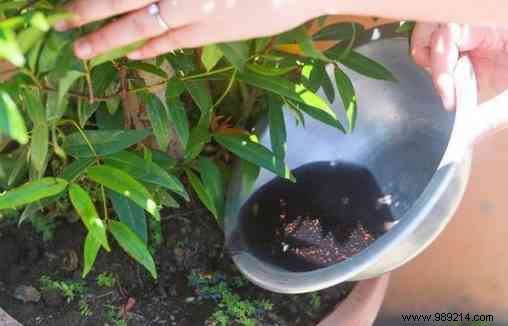
Steep used bags in a bucket of water to create a mild fertilizer that wards off fungi. Alternatively, scatter damp leaves around plant bases to enrich soil and deter rodents.
Add them to your compost pile for a nutrient boost—just remove any metal staples first. Related: Build a compost bin for free, natural fertilizer.
Used tea leaves excel at deodorizing and refreshing floors. Refrigerate bags in water to preserve freshness until you have enough.
Dry the leaves slightly, sprinkle on rugs or carpets, let sit until fully dry, then vacuum. The natural tannins absorb odors effectively.
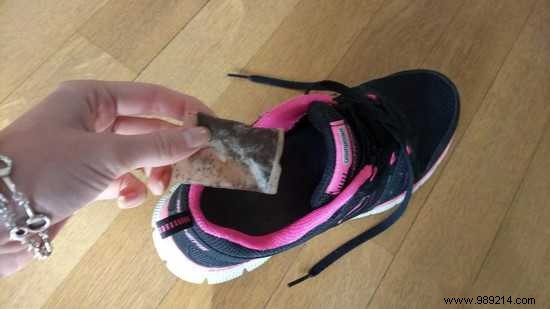
Dried used tea leaves are powerhouse odor absorbers. Place them in cat litter, trash cans, shoes, or fridge drawers for lasting freshness.
Add essential oils to dried used tea bags and hang them in rooms, cars, or offices. They double as natural deodorizers and air fresheners—refresh oils as needed.
Tea bags' scent deters mice; place them in cabinets, pantries, and entry points. Enhance with peppermint oil to also repel spiders and ants—a simple, non-toxic safeguard for your home.
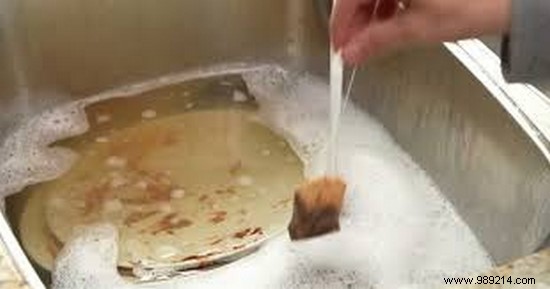
Soak greasy dishes in hot water with two used tea bags. The tannins cut through fat naturally, loosening stuck-on food without harsh chemicals.
After handling garlic, onions, or fish, rub with used tea leaves or bags to eliminate stubborn odors instantly.
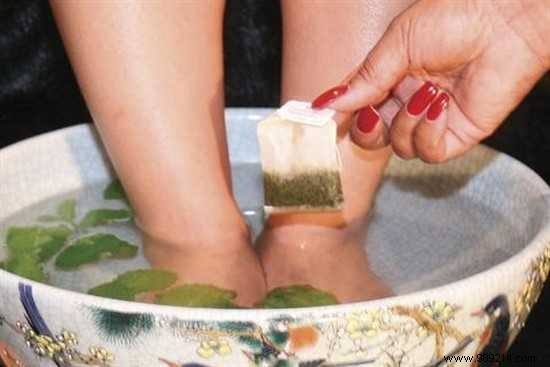
Add used tea bags to a warm foot soak. It neutralizes odors, softens calluses, and nourishes skin—perfect after a long day.
Tea leaves' antioxidants benefit skin health. Hang used bags over the faucet or drop them directly into bathwater. Jasmine adds aromatherapy; chamomile promotes relaxation.
Damp used tea bags calm sunburns, insect bites, bruises, or tired eyes. Apply directly to reduce inflammation and ease discomfort naturally.

Warm, damp tea bags fight infections like canker sores, cold sores, or warts by reducing pain and speeding healing. Their antimicrobial properties make them a go-to remedy.
Gargle with cooled tea from used bags—peppermint or green varieties work best for fresh, natural breath.
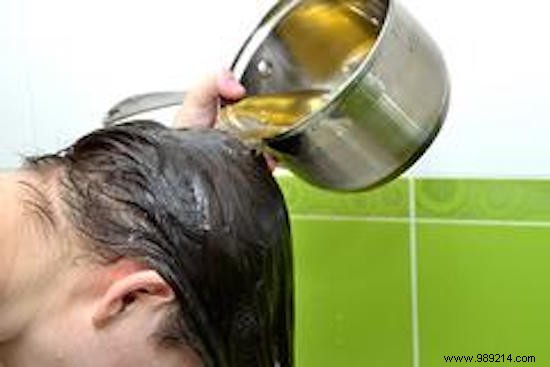
Steep used bags in water for a rinse that detangles, nourishes hair, and scalp without residue.
Strongly brew three black tea bags, cool, and wipe on wood furniture or floors. Tannic acid cleans, revives color, and hides scratches—buff dry for shine.
Wipe windows or mirrors with damp used tea bags to cut grime and fingerprints. Follow with a lint-free cloth for streak-free results.
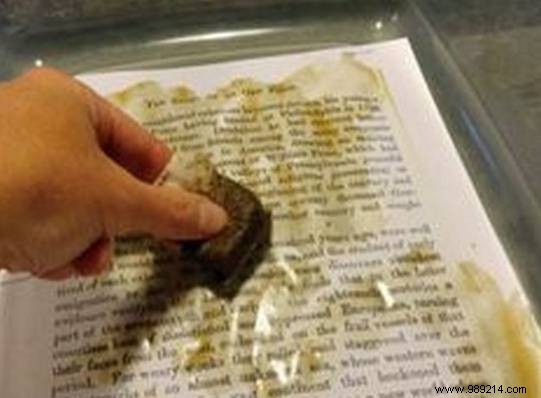
Dilute steeped tea to dye paper sepia or fabric in warm earth tones—ideal for crafts.
Rub cooled black tea bags over skin for a subtle, sun-free glow without chemicals.

Chill used green tea bags and place on eyelids to de-puff and fade dark circles—a quick morning refresh.
Store damp bags at room temperature for up to one day or refrigerate longer to prevent mold. Trust your nose—if they smell off, discard for safety. Recycling tea bags is simple and sustainable!
