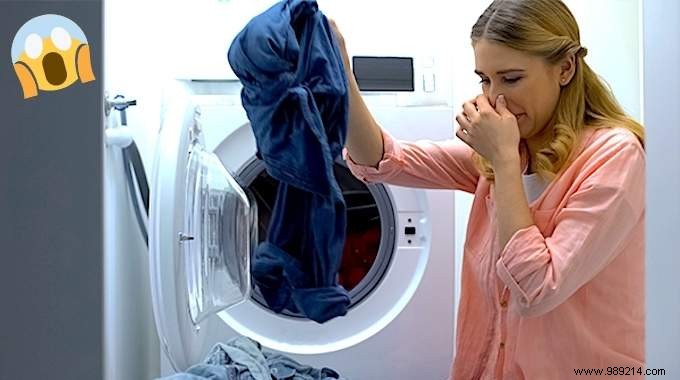
Has your freshly washed laundry emerged smelling damp or musty, even with your go-to detergent? You're not alone—this is a common frustration in households everywhere.
Don't worry. As laundry experts with years of hands-on experience troubleshooting these issues, we'll break down the top reasons and deliver 10 reliable solutions to restore that fresh scent.
Here's why laundry smells bad after washing and 10 effective ways to fix it. Let's dive in:
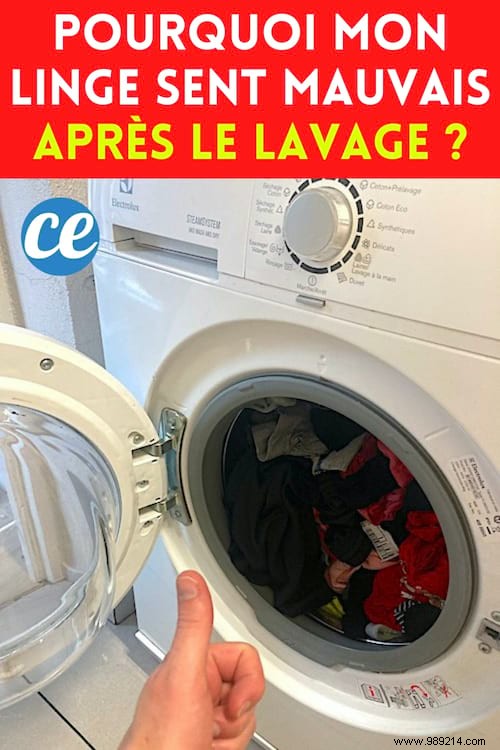
Let's be honest: most of us overlook washing machine maintenance. It seems odd to clean the very tool meant for cleaning—but it's essential.
Your machine's tub stays wet for hours post-cycle, creating perfect conditions for bacteria, mold, and detergent buildup. Add hard water or a clogged filter, and you get inefficient washes, a smelly drum, and odorous clothes.
The good news? Cleaning it is simple with household staples—no pro needed. Run a hot empty cycle with white vinegar or baking soda. Sanitizing your washer first ensures fresher laundry every load.
"How much detergent?" It's a daily dilemma. I've been there, eyeballing it with a 'that'll do' scoop.
Dosage matters for clean clothes, your budget, and the planet. Too much leaves residue that doesn't rinse out, fostering mold in fabrics and the drum. Too little fails to tackle dirt and odors.
Check your detergent's label for guidelines (often for 6-7kg loads). Adjust for load size, soil level, and water hardness. Use dosing balls, cups, or pods for precision. Pro tip: Pair with fabric softener for lasting freshness.
It's tempting to max out the drum, but clothes need room to move for proper cleaning and spinning.
Overloaded loads trap moisture, leading to poor rinsing and musty smells. Here's my trusted test: Load the drum, press down firmly, then slide your hand vertically between the laundry and the door seal. If it fits easily, you're good.
Avoid letting wet clothes sit in the drum. The longer they stew, the mustier they get.
Use your machine's delay-start to time cycles for when you're home. Bonus: Freshly washed laundry irons easier too.
Dry clothes within an hour of washing. Indoor air-drying in cool rooms slows evaporation, inviting damp odors.
A dehumidifier speeds things up, cuts home humidity, and prevents that clammy feel. For dryers, avoid overloads and match similar sizes. Need indoor drying hacks? We've got them.

Ensure clothes are bone-dry before folding. On racks, space them for airflow—touching fabrics trap moisture.
Choose a sturdy rack for better circulation. If ironing damp, do it immediately—never let semi-wet stacks linger.
It bears repeating: Damp-stored sheets, towels, or clothes breed mold in the fibers, causing smells later.
Prioritize thorough drying (see tips 5-6) for truly fresh laundry.
Poor airflow in storage speeds mustiness, especially in humid seasons.
Hang items loosely rather than stacking tight. Marie Kondo's folding method optimizes space while allowing air circulation.
Long-stored garments pick up musty scents. Air them out on a line—sun and breeze neutralize odors naturally.
If needed, quick-wash with softener. For seasonal storage, tuck in scented sachets.
If odors persist, up the heat. Low-temp cycles save fabric but may miss deep-set smells like sweat.
Wash at the label's max on a long cycle, adding white vinegar to the drawer for stubborn scents. For cold-only items, choose low-temp optimized detergents like Persil.
