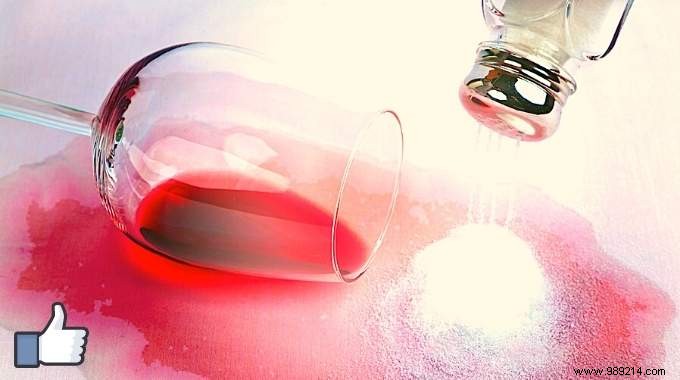
Spilled red wine? We've all been there—it's a common mishap at dinners or parties. But don't worry: with quick action and the right techniques, you can remove even stubborn red wine stains from clothing, tablecloths, rugs, or upholstery. As cleaning experts with years of experience, we share these 10 reliable methods that work.
Click here to easily print this guide in PDF.
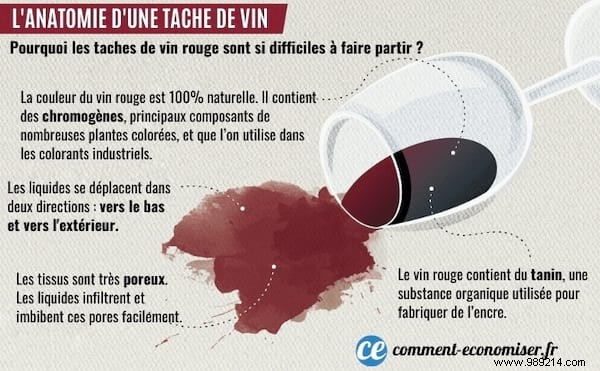
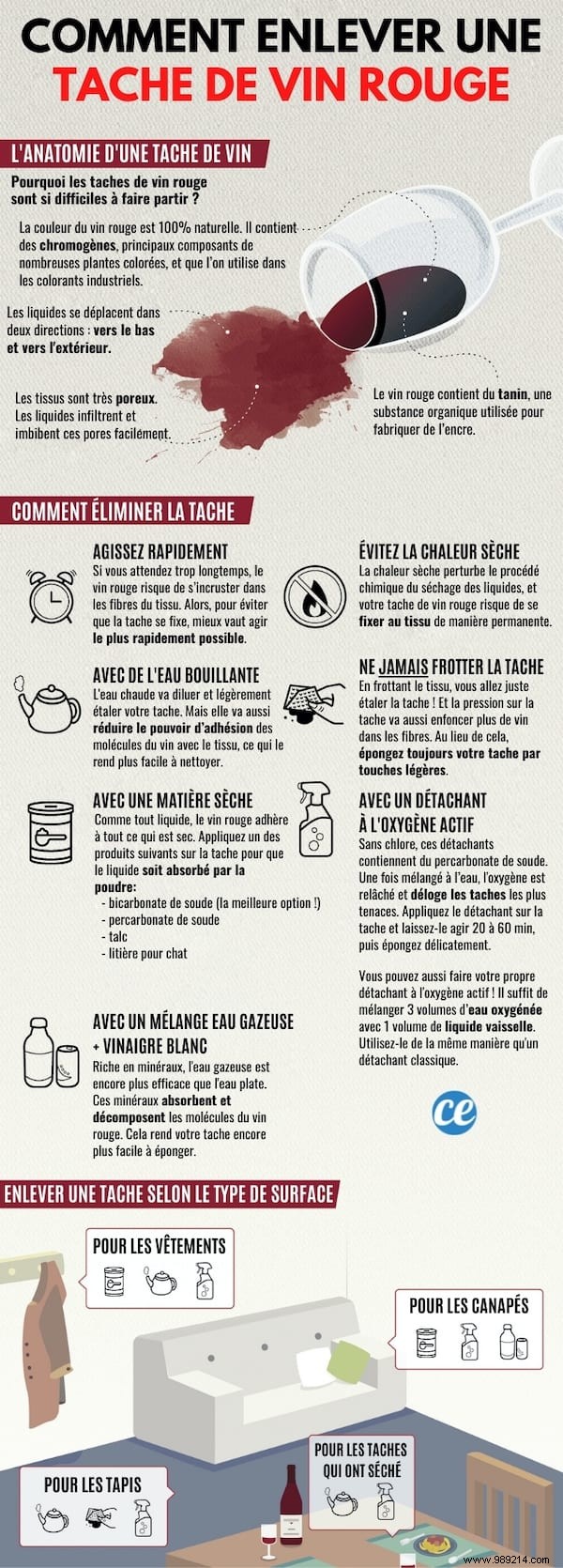
To maximize your success, act as quickly as possible. Fabrics are porous and absorbent, allowing red wine to seep into the fibers and leave behind colored deposits.
Red wine contains chromogens, natural pigments found in grapes and used in industrial dyes. Combined with tannins—the same compounds used in inks—these act like permanent dyes on fabrics.
Once spilled, the wine penetrates fibers downward and outward through micropores, making stains tough to lift if left untreated.
Understanding how red wine bonds to fabrics equips you to fight back. Professional cleaners rely on these proven steps to banish stains effectively.
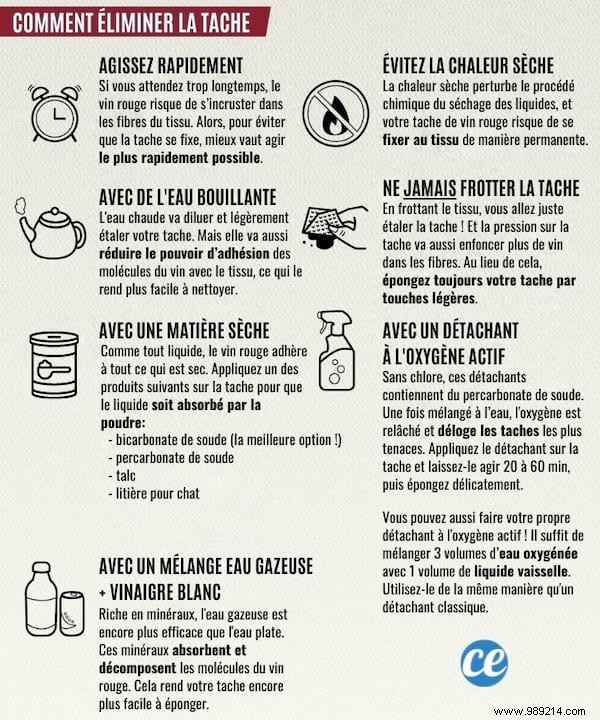
Rubbing might seem intuitive, but it spreads the wine deeper into the fabric under pressure. Instead, always blot gently with a clean cloth to lift the liquid without pushing it further in—crucial for carpets and sofas.
Cleaning a spill mid-party isn't fun, but delaying lets pigments set. Act immediately for the best results; red wine's dye-like properties make it harder to remove once embedded.
Dry heat from a hairdryer sets the stain permanently by altering its chemistry. Let it air-dry naturally instead—never use hot air on fresh stains.
For fresh spills, cover with an absorbent powder like baking soda (our top pick), talc, sodium percarbonate, or cat litter. Let it sit to draw out the wine, then blot gently—don't scrub. This often removes stains entirely if done promptly.
The myth of white wine neutralizing red? It's false—it just dilutes and spreads the stain. Skip it and use proven alternatives below.
Unlike dry heat, boiling water dilutes pigments and weakens their bond to fibers. Pour from height over stretched fabric, then blot. Unlike dry heat, this moist approach loosens stains effectively.
Milk's proteins excel at absorbing pigments. Soak the stain fully, wait minutes, then blot gently—no rubbing.
Sparkling water's minerals break down wine molecules better than plain water. Mix with white vinegar for extra power, apply, and blot.
These chlorine-free powders (sodium percarbonate-based) release oxygen to lift stains safely. Wet the area, sprinkle, re-wet, wait 20-60 minutes, and blot. Ideal for fresh or dried stains.
Mix 3 parts hydrogen peroxide with 1 part dish soap, apply for 20-60 minutes, blot, then wash or rinse. A household staple for tough spots.
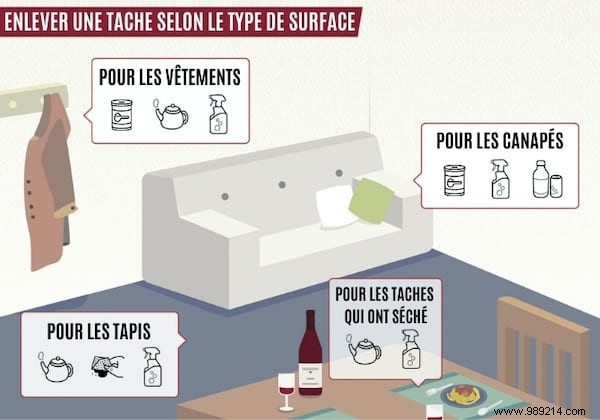
Not all stains or surfaces are equal. Tailor your approach for optimal results.
🧼 Stretch fabric taut first.
🧼 Powder fresh stains.
🧼 Hot water for wet tablecloths.
🧼 Oxygen remover + wash for dried.
🧼 Hydrogen peroxide + vinegar for whites.
🧼 Baking soda first.
🧼 Blot only, no rubbing.
🧼 Flour or powder alternative.
🧼 Oxygen remover if needed.
🧼 Stretch if possible.
🧼 Baking soda.
🧼 Oxygen remover.
🧼 Sparkling water + vinegar.
🧼 Dish soap + peroxide.
🧼 Boiling water soak.
🧼 Oxygen remover.
🧼 Dish soap + peroxide.
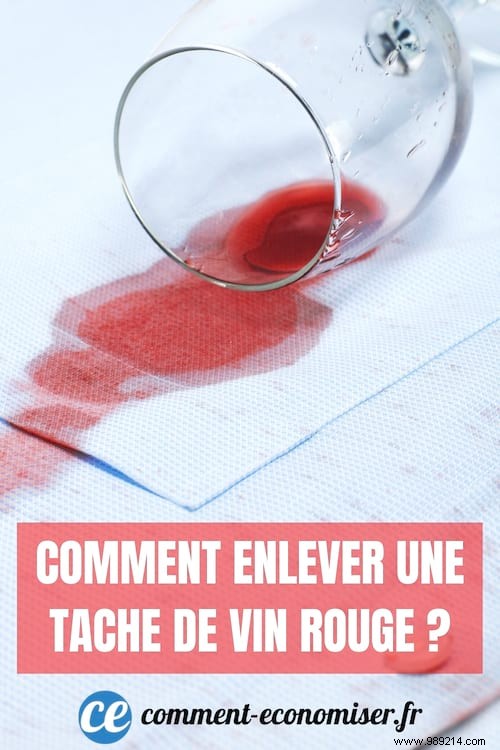
If a stain lingers—especially after premature washing or long drying—it's tougher, but many respond to persistence. Speed is key: the sooner you treat it, the better. Stock these solutions and tackle spills confidently. Good luck!
