As a home appliance expert with years of hands-on experience, I've learned the hard way what not to put in the dishwasher. Like many, I used to load everything in without a second thought—heavily soiled pans, delicate china, you name it. The result? Premature wear on my dishes and a shortened lifespan for the machine itself.
By ignoring basic guidelines, you risk damaging both your dishwasher and your kitchenware. Drawing from real-world mishaps and manufacturer recommendations, here are 13 items to never put inside. Follow these tips to avoid costly repairs and keep everything in top condition.
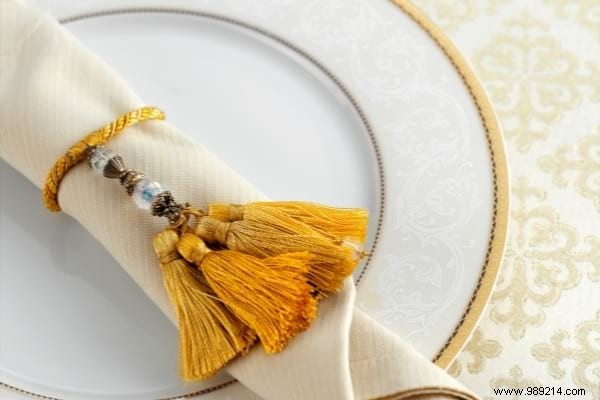
That cherished heirloom china with gold or silver rims from Grandma? Keep it out of the dishwasher. The harsh detergents and heat will erode the delicate plating, causing patterns to fade or disappear entirely. Always hand-wash these treasures gently.

Crystal's beauty lies in its clarity and fragility. Dishwasher cycles dull its shine over time due to alkaline detergents and high temperatures that etch the surface. For lasting sparkle, wash by hand with mild soap and dry immediately.
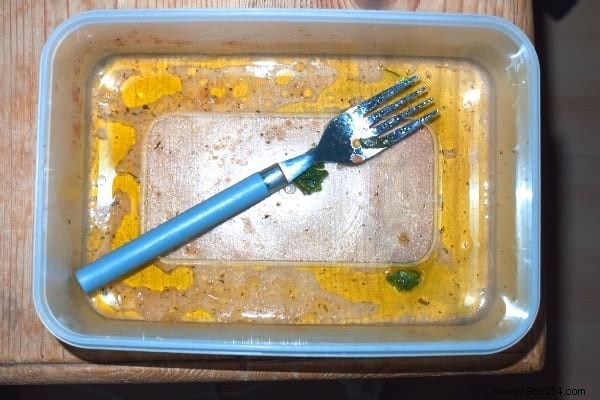
Soft plastics are prone to warping or melting under the dishwasher's intense heat—often exceeding 140°F (60°C). What starts as a sturdy container ends up deformed. Hand-wash to preserve their shape.
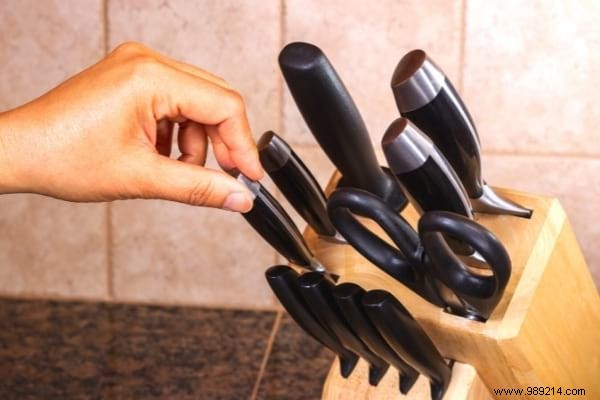
High-quality knives rely on precise edges that dull from dishwasher agitation and harsh chemicals. Prolonged exposure chips the blades, ruining their performance. Maintain sharpness by hand-washing and drying thoroughly.
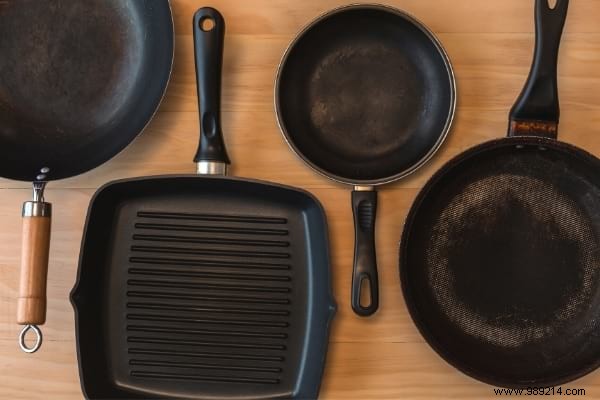
Non-stick coatings on pans and bakeware scratch easily from the dishwasher's abrasives and racks. This accelerates wear, reducing their non-stick effectiveness. Even for burnt-on food, opt for gentle hand-cleaning.

Baby bottle teats and soft plastic feeding accessories degrade in hot dishwasher water, becoming brittle or misshapen. For safety and hygiene, always hand-wash and sterilize separately.
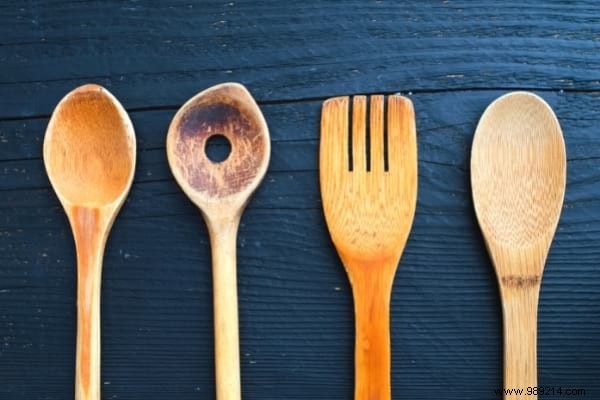
Spoons, cutting boards, and spatulas made of wood absorb water in the dishwasher, leading to cracking, warping, odors, and splinters. Hand-wash with soap and oil occasionally to condition the wood.
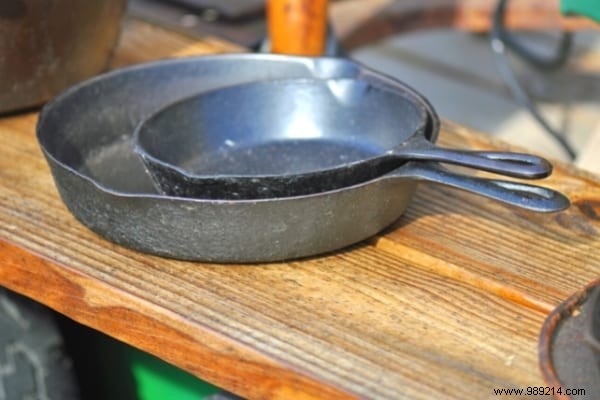
Cast iron's seasoned coating strips away in the dishwasher, promoting rust and corrosion. Despite its toughness, hand-washing preserves the protective patina essential for performance.

The vacuum-sealed insulation inside thermoses detaches under high-pressure jets, ruining thermal retention. Check manufacturer guidelines, but hand-washing is safest.
Baked-on residues from gratins or roasts clog filters and drains if not pre-scraped. Always rinse heavily soiled items first to protect your machine's internals.
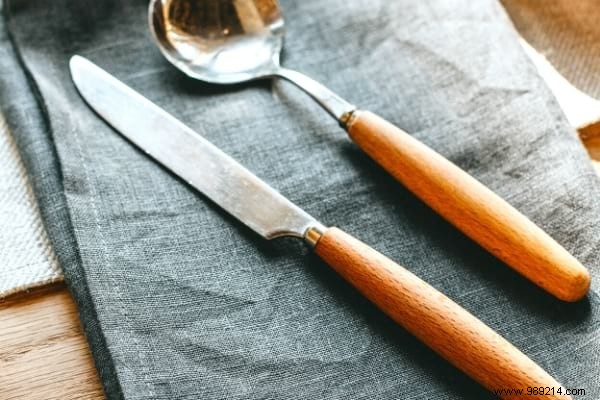
Glue holding hollow handles often fails under repeated dishwasher exposure, causing detachment. Hand-wash to extend their life.
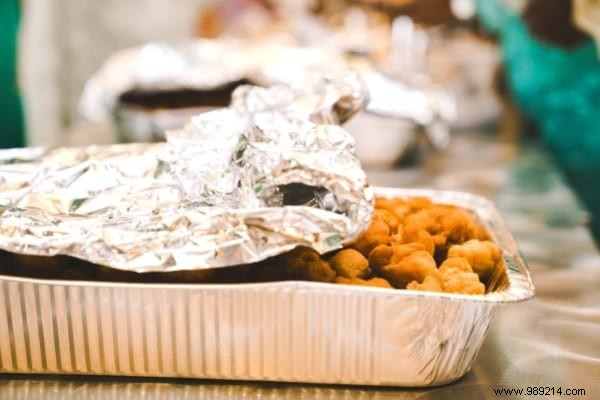
Disposable aluminum trays dent easily and can scratch the dishwasher's interior. Their soft metal also reacts with detergents, leading to discoloration. Toss or hand-wash sparingly.
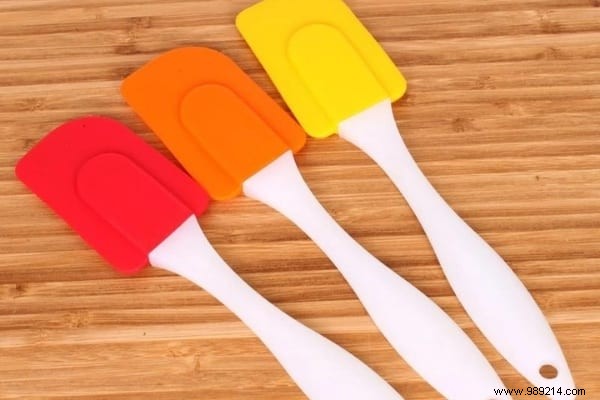
Flexible spatulas like silicone maryse warp in heat. While rigid plastics may survive, soft ones don't—hand-wash to avoid deformation.
Ash residue corrodes dishwasher interiors. Even if clean, skip them to prevent damage—at today's prices, it's not worth the risk.
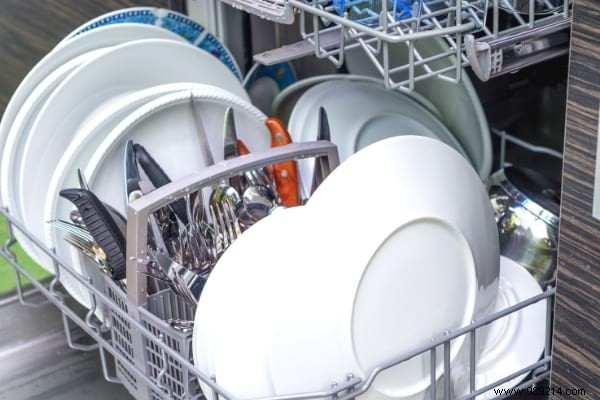
Regular upkeep ensures longevity. Run a white vinegar cycle monthly to descale and clean circuits. Scrub spray arms, filters, tank, and seals routinely. Follow guidelines: avoid overloading, pre-rinse plates, and space items properly for optimal results.
