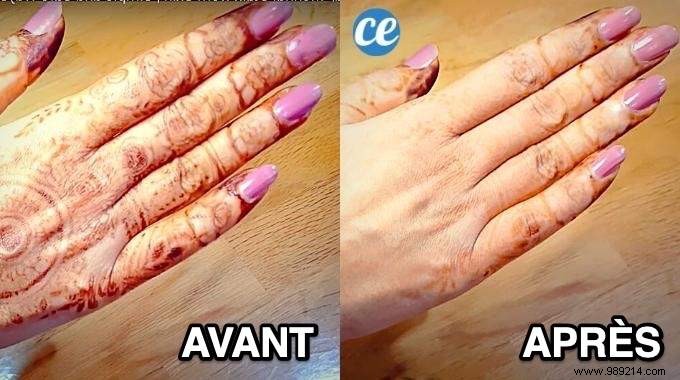
As a beauty enthusiast with years of experience using henna for tattoos and hair coloring, I've tested numerous methods to safely remove stubborn stains from skin and hair. Whether from fresh applications or lingering color, these techniques—shared by professional beauticians and traditional practices—offer quick, natural relief without harsh scrubbing.
Henna penetrates the upper skin layer and binds tightly once dry, but gentle exfoliation and natural agents can lift it effectively.
Here are 13 expert-backed tips to remove henna stains from skin or hair in minutes.

Henna stains are superficial, affecting only the epidermis's top layer. An Epsom salt bath exfoliates dead, stained cells effectively.
Dissolve 100g of Epsom salt in half a tub of hot water and soak for at least 20 minutes. Follow with gentle rubbing using an exfoliating glove.
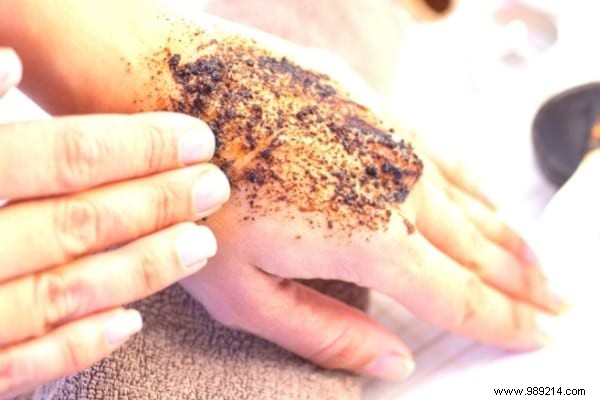
Coconut oil, prized in skincare for its moisturizing properties, pairs with sugar for a potent scrub—a technique favored by women in the Maghreb for hand stains.
Mix coconut oil and brown sugar into a paste, apply gently to the area, and enhance with a loofah if desired. Dead cells lift away with the stain.
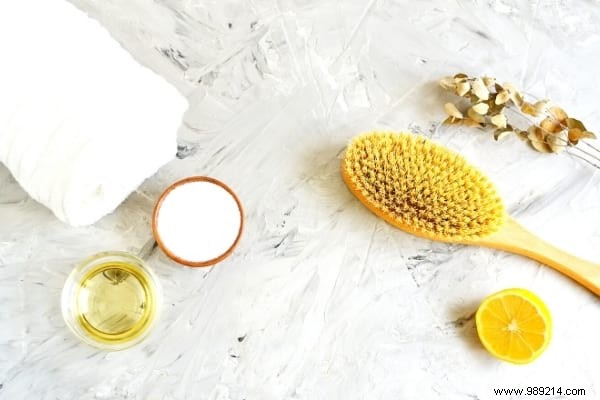
This sea salt and olive oil blend rivals professional exfoliants for henna removal. Mix 200 ml olive oil with 4 tablespoons sea salt, apply for 20 minutes, then wipe with a warm cloth.
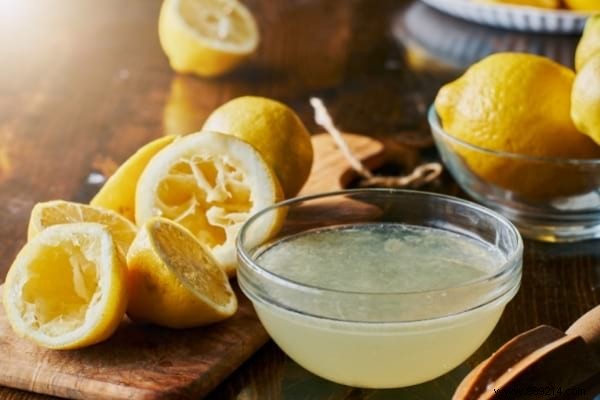
Lemon's natural bleaching agents excel on fresh henna, ideal for fingers after hair coloring. Rub lemon wedges on stains for minutes, rinse, dry, and moisturize.
Combine lemon's lightening with baking soda's exfoliation: mix 1 tablespoon each, apply for 10 minutes, scrape gently if needed, rinse, and moisturize. Repeat next day for residue.
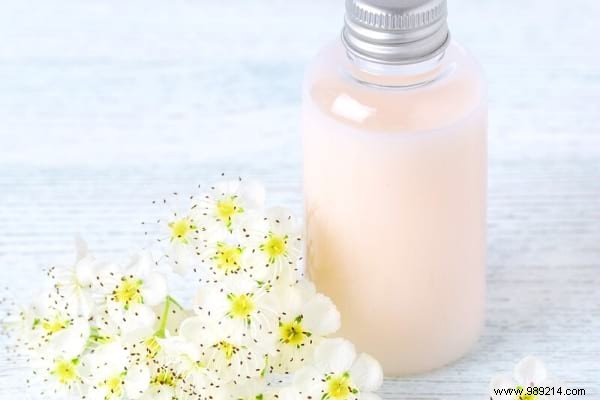
Rich, oily conditioners dissolve pigments while hydrating skin. Apply generously, let absorb, rinse with lukewarm water and a loofah, then moisturize.
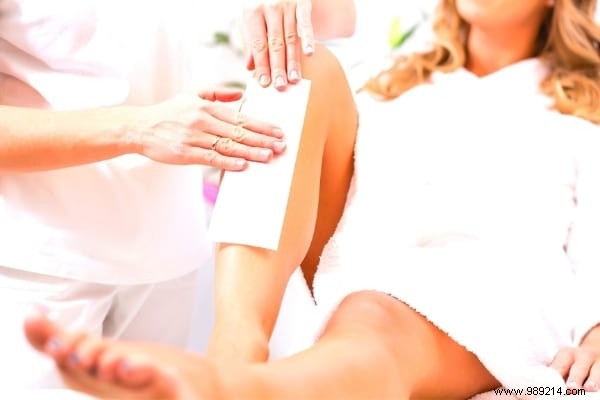
Waxing or shaving removes dead, colored cells along with hair—noticeable in tan loss post-treatment. Test on legs or thighs first; shaving works milder.
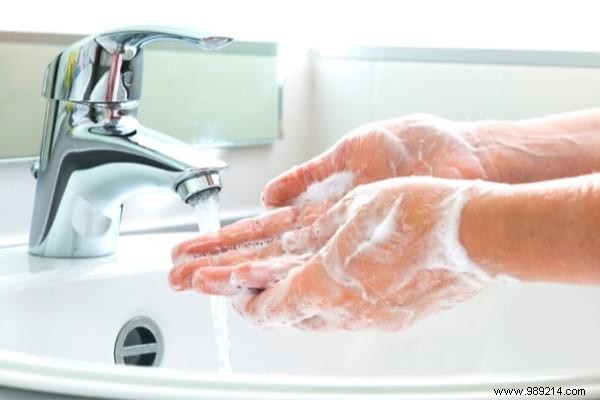
Marseille soap offers a simple, natural fade. Rub hands repeatedly with soap and lukewarm water daily; antibacterial versions enhance results. Moisturize after.
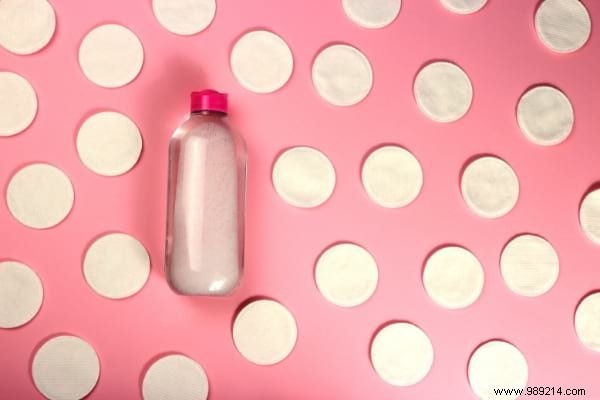
Micellar water clears pigments like makeup; witch hazel boosts efficacy. Wipe with soaked cotton, rinse, and moisturize. Makeup removers work similarly.
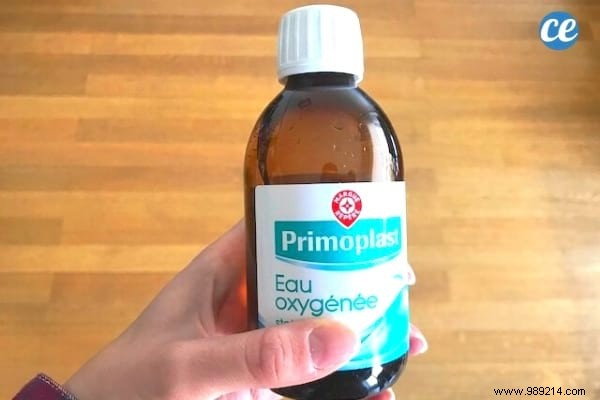
20% hydrogen peroxide lifts stains, especially under nails. Apply via cotton, let act, and rinse.
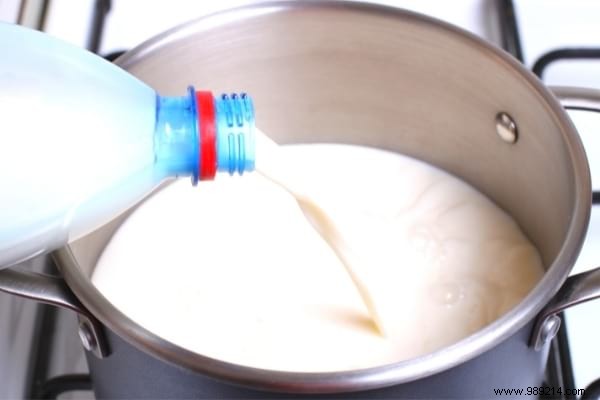
A Moroccan tradition for fabric: heat milk (not boiling), soak a sponge, and dab stains.
Henna provides stunning, chemical-free color that fades unevenly. These methods even it out safely.
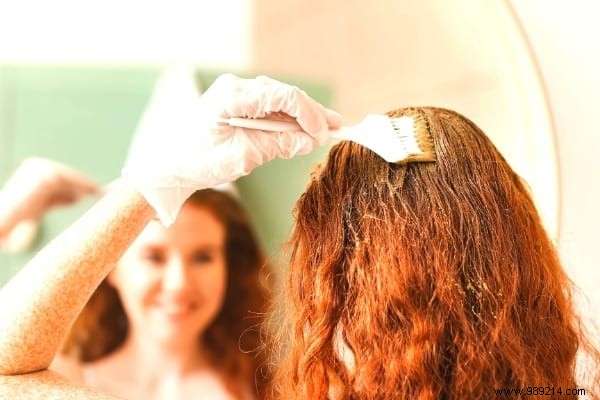
Vodka breaks down henna pigments, targeting ends. Soak strands with a vodka-dampened sponge for 15 minutes, then shampoo normally.
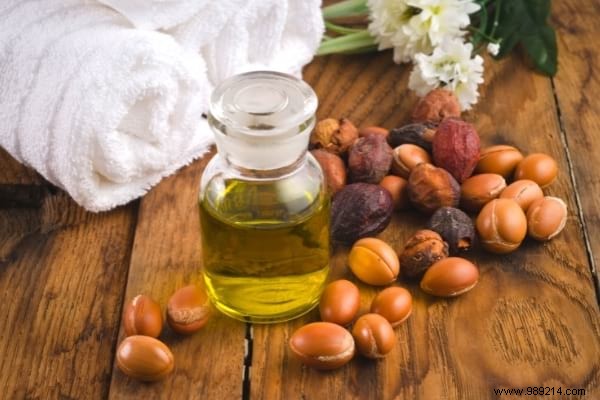
Mix equal parts of these oils, coat hair overnight under a shower cap. Shampoo twice in the morning to rinse out color.
Non-pure henna risks allergies from additives like metals or ammonia. Test on elbow fold for 48 hours. Avoid mixing with metal, black henna, or unknown sources. Never ingest.
