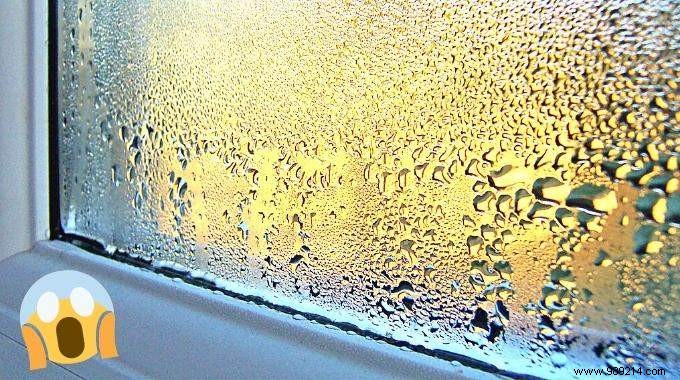
As a homeowner who's battled persistent window condensation for years, I've tested numerous solutions. Today, I'll share 17 effective strategies that have completely eliminated fog on my windows, creating healthier indoor air.
This moisture isn't just unsightly—it's a sign of excess humidity that can rot wooden frames, promote mold growth, and trigger respiratory issues.
These tried-and-true methods work reliably. Since implementing them, my home stays dry and comfortable. Discover how to say goodbye to window condensation:

Opening windows fully is the simplest, most effective way to combat condensation. It expels trapped warm, humid air.
Even in winter, ventilate twice daily for at least 10 minutes to create strong airflow. Slightly cracked windows won't suffice—air needs to circulate vigorously.
For best results: Open all windows and interior doors (especially bathroom and kitchen) simultaneously, and turn off heating to save energy.
Do this immediately after showering or cooking. Bonus: Dry air heats faster, making your system more efficient and reducing bills.

Uncovered pots release steam, especially when boiling water, directly fueling condensation.
Use lids to trap steam—they boil water faster too. Activate your range hood and run it 15 minutes after cooking for optimal extraction.
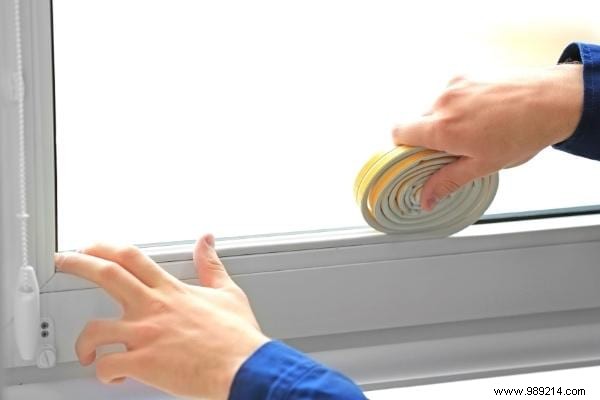
Seal gaps around aging windows and doors with weather stripping to retain warm air and block cold infiltration.
This improves insulation, cuts condensation, and lowers heating costs. Essential for storm windows too, preventing humid air from entering gaps.
Inspect for cracks and seal with putty as needed.
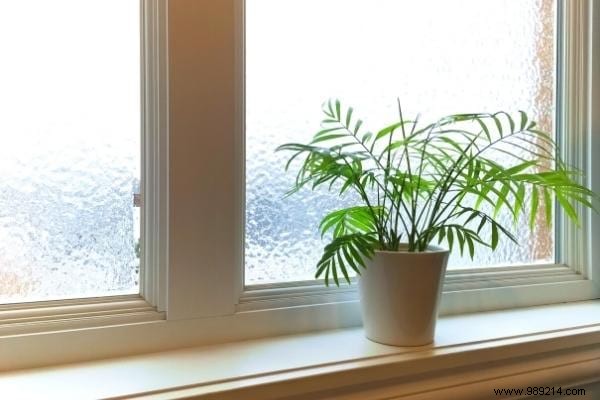
Houseplants release moisture, worsening condensation when clustered near windows. Relocate them.
Opt for humidity-absorbing plants like tillandsias, peace lilies, or Boston ferns to naturally dehumidify while decorating.

Wet clothes dramatically spike indoor humidity. Dry outdoors on a balcony or line if possible.
If indoors due to weather, ventilate 3-4 times daily and use these faster-drying tips.

Allow air to flow freely near windows by keeping curtains, blinds, shutters, or screens open—crucial at night or in cold seasons.

Place moisture absorbers in humid rooms like bathrooms, kitchens, or closets. They passively collect excess water—no effort required.
Refill when full; they also protect clothes from dampness.

High-humidity areas like bathrooms and kitchens need ventilation. Run your controlled mechanical ventilation (CMV) or exhaust fan 15-20 minutes post-use.
Test airflow: Toilet paper should stick to the vent. No CMV? Install a simple extractor fan.
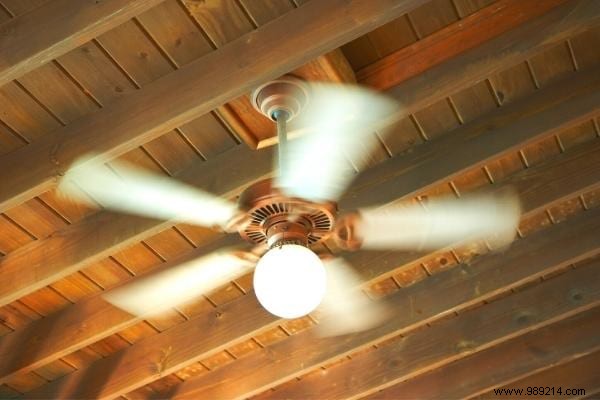
Ceiling fans circulate air effectively against condensation. In winter, reverse direction (counter-clockwise) to push warm ceiling air downward.
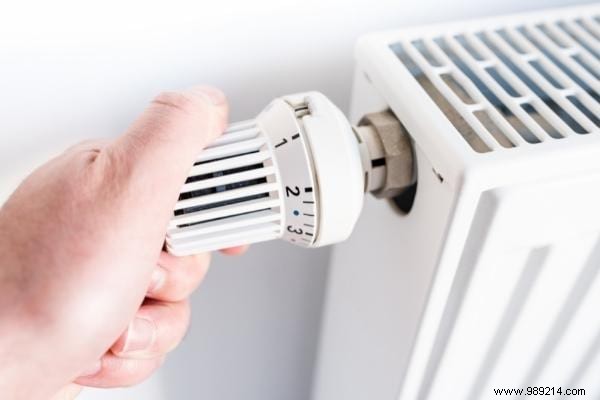
Condensation forms when warm air meets cold surfaces, like a chilled glass. Warm windows modestly by raising indoor temperature slightly.
Upgrade to warm-edge glazing (plastic spacers vs. metal) to reduce thermal bridging—increasing edge temps by up to 6°C.
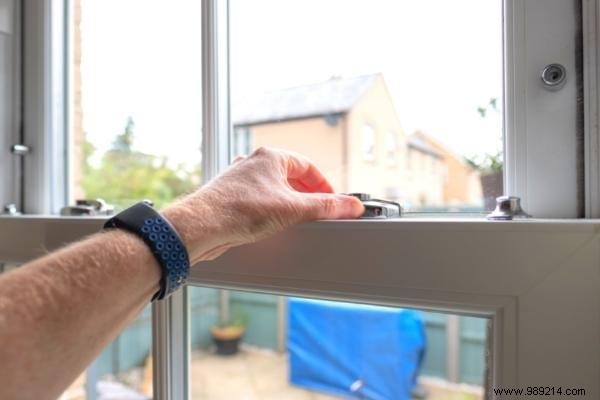
Storm windows add an insulation layer over old frames, mimicking double glazing without full replacement. Lowers bills and condensation.
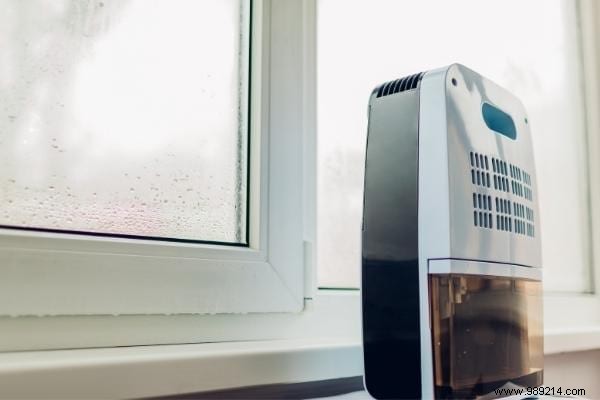
Dehumidifiers actively remove moisture; auto-models activate at set levels. Position near problem windows for best results. DIY versions work too.

Wipe windows with dish soap on a cloth in circles, then dry. Prevents droplets from adhering.
For exteriors, use rain-repellent sprays (car windshield type) to shed water. Note: These manage symptoms, not root causes.
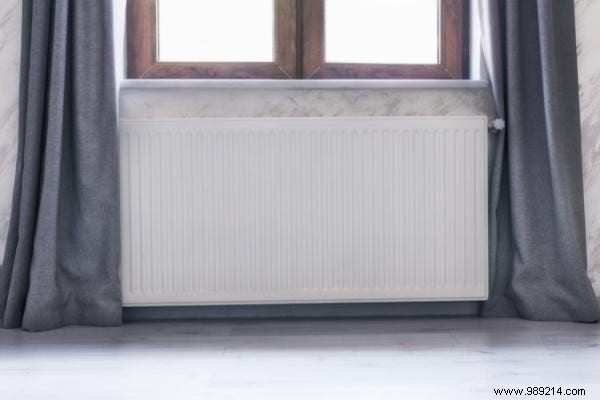
During renovations, position radiators under or near windows. Rising hot air warms glass, evaporating condensation from the base.
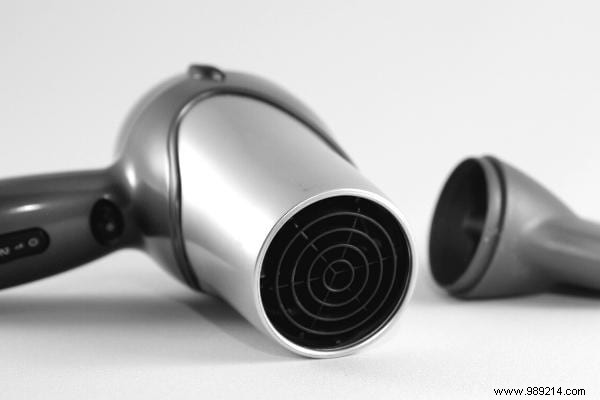
Skip wiping— it smears and returns quickly. Use a hairdryer at 20 cm distance for fast, streak-free drying, ideal for bathrooms.
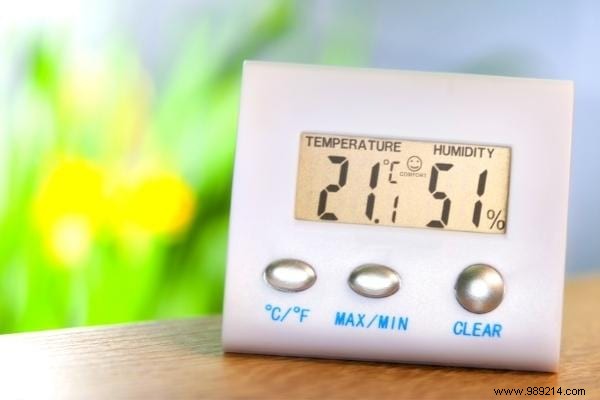
A hygrometer measures air humidity precisely. Aim for 40-60% indoors to prevent issues. I monitor mine in bedrooms and baths to stay ahead of mold.

Aged seals allow cold air in, chilling windows. Apply sealant with a caulk gun to cracks around frames—quick and effective.
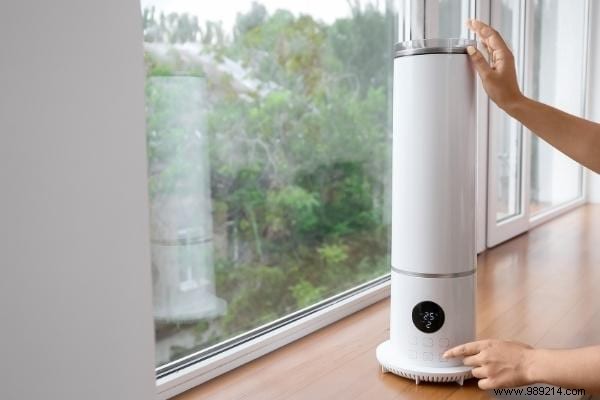
Humidifiers combat dry winter air but can overdo it, causing condensation if overused or in poor airflow. Dial back or switch off; try these dry-air fixes instead.
Windows condense first due to cold exposure. Interior: Excess home humidity meets cold glass. Exterior: Dew point. Between panes: Failed seals.
It obscures views, blocks sunlight, and signals broader damage: mold, rot, corrosion on roofs/pipes/walls. High humidity breeds health risks like allergies and asthma.
These 17 tips address condensation root causes effectively on any window type (PVC, aluminum, new or old) in houses or apartments. Implement them for a drier, healthier home.
