
Lemongrass isn't just a mosquito repellent—it's a versatile edible herb with remarkable benefits that many overlook.
Years ago, an experienced farmer shared a bunch of lemongrass stalks with me, advising: "Just place those stems in water, and they'll root and grow on their own." He demonstrated how to trim and savor the tender inner core. The fresh, citrusy aroma hooked me instantly, and I've cultivated it in my garden ever since.

Today, I infuse its zesty lemon flavor into rice, add a spicy kick to smoothies, and elevate sautéed veggies and soups. Once you discover its health perks, you'll want it in your kitchen too. Growing lemongrass is straightforward—here's my proven guide to planting, harvesting, and maximizing its benefits.
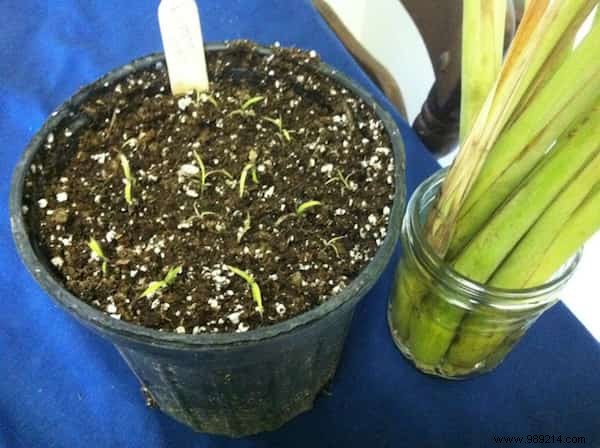
As a subtropical perennial, lemongrass thrives in warmth and dislikes frost. In cooler climates, opt for pots to move it indoors during winter.
Plant in full sun with consistent moisture and rich, well-drained soil. For pots, use quality compost or add earthworms for natural aeration—refresh soil nutrients every two weeks.
Its rapid, low-maintenance growth makes it ideal for beginners; it flourishes once conditions are right.
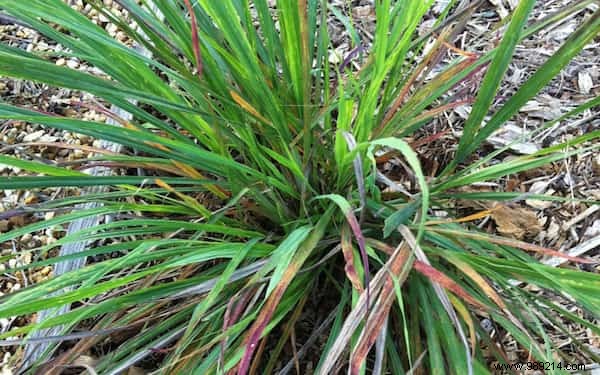
Available as seeds, bulbs, or starts (varieties often unspecified), seeds germinate in 1-2 weeks with high success rates. Sow in moist soil in a warm spot, then transplant 15cm shoots into pots, spacing 5-7cm apart for root development.
For cuttings from store-bought stalks, submerge 2-5cm in water, change every two days, and wait for roots before potting. Minimal care required thereafter.
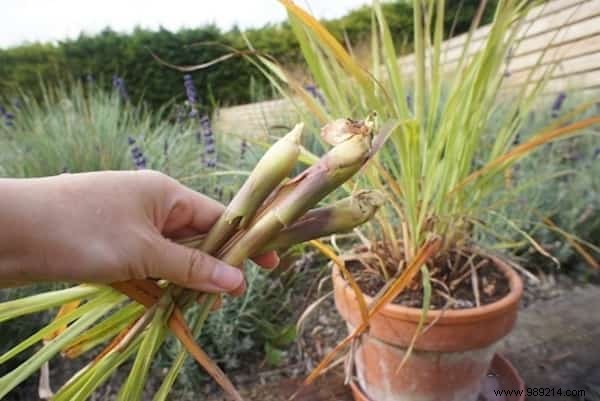
New leaves signal strong roots ready for larger pots. Harvest by gripping stalks at the base and pulling firmly—the tender white core is culinary gold.
Use leaves for lemony infusions. Trim outer greens, finely chop or grate the core.

For rice, enclose chopped lemongrass in muslin and simmer in cooking water—remove post-cook. Try my favorite: Thai chicken thighs infused with fresh lemongrass.

As tea, it aids digestion, eases cramps, reduces bloating, and minimizes post-meal puffiness.
Bactericidal properties soothe sore throats and colds—sip three cups daily at onset.
It combats stress and anxiety; bedtime infusions promote relaxation. Hypoglycemic effects help manage blood sugar.
A natural analgesic, it relieves arthritis, tendinitis, and skin irritations. Diuretic for detox—add to juices (discover ingredient lists here).
Massage with diluted essential oil fights cellulite. Plus, it repels mosquitoes, moths, and aphids effectively.
