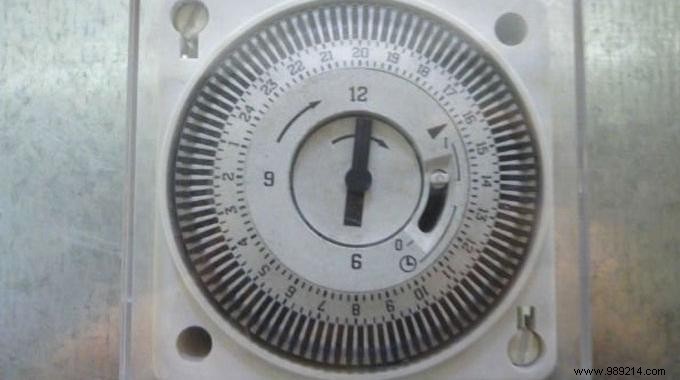
Off-peak hours are a smart way to slash electricity costs—but no one wants to pull all-nighters to cash in.
That's where a simple mechanical timer comes in, automating the savings for you.
I first appreciated its value during a Christmas setup a few years back. Stringing up the tree lights and forgetting to turn them off? A hassle. Leaving them on overnight? Risky.
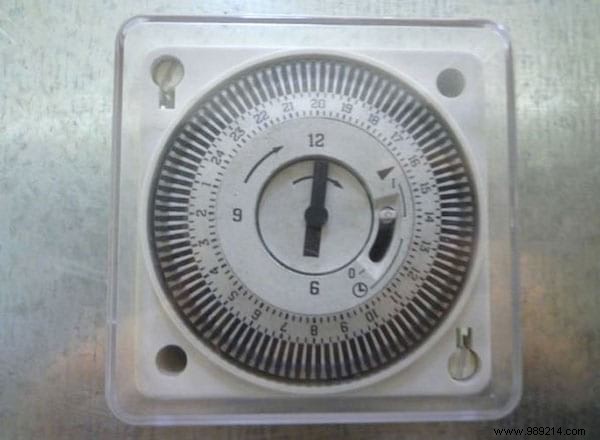
Recently, I replaced my washing machine with a basic model lacking a built-in timer. It's in the shed, so trekking across the garden in rain or cold to start it? Not ideal—especially at 11:30 p.m.
Luckily, I keep a trusty mechanical timer handy. It lets me schedule the wash for overnight, ideally finishing early to avoid musty smells from sitting wet too long.
With a forgetful kid leaving lights on, one timer isn't enough. At that price, they're practically free—so I stock up.
• Ideal Uses
Aquarium lights, washing machines, dryers, coffee makers, lamps, heaters, LED devices, kids' nightlights, holiday decorations, security cams, or even your TV if you doze off watching.
• Pick the Right Type: Two Options
- Battery-powered digital: Skip it. Programming feels fiddly, dead batteries mean resetting everything, and they're much pricier.
- Mechanical: 2-3x cheaper and superior. Features 96 pins on a rotating dial for 15-minute intervals over 24 hours. Raise or lower pins to set schedules. Toggle between "always on" and "program." Daily repetition until changed (or power outage). Graduated dial with arrow for current time. Perfect for multi-slot programming, like simulating occupancy with lights.
Install away from water—high up, not on floor cords (flood risk). Outdoor models exist too.
Instructions can be unclear, so here's my proven step-by-step from years of use:
- Prep your appliance: Load the washer, dryer, coffee maker, etc.
- Raise all pins.
- Lower pins for your desired slots (e.g., 11:30 p.m. to 7:30 a.m.).
- Align arrow to current time.
- Set switch to "always on."
- Plug appliance into timer, timer into outlet.
- Turn appliance on.
- Switch to "program." Follow order precisely—some devices have surge protection and won't start otherwise. (My Hi-Fi won't, so no alarm clock use.)
Relax and let it run.
How fast does €5 in savings pay off a timer's cost? Share in comments.
Every bit helps trim that bill, especially with rising rates. Get clever.
Timers shine beyond off-peak: Cut peak-hour waste from forgetfulness.
Shave 25% off your annual bill? For €4-6, this durable ally works tirelessly for years.
