There's nothing quite like the flavor of grilled food. A good barbecue elevates any meal to new heights.
However, traditional barbecues aren't kind to the environment. Charcoal and propane grills release greenhouse gases and fine particulates, harming air quality.
Conventional solar cookers are limited to midday sun, leaving evenings off-limits for outdoor cooking—precisely when barbecues shine brightest.
That changes now, thanks to an innovative solar technology from a leading MIT professor. Here's how it works.
David Wilson, a professor of mechanical engineering at MIT, has developed a solar cooking system that operates even at night.
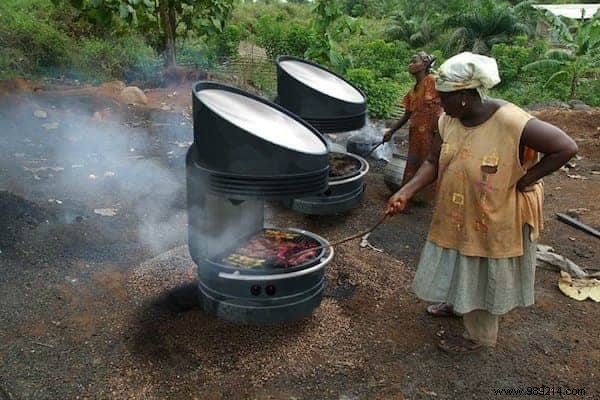
This breakthrough is especially vital for developing countries reliant on wood-fired cooking.
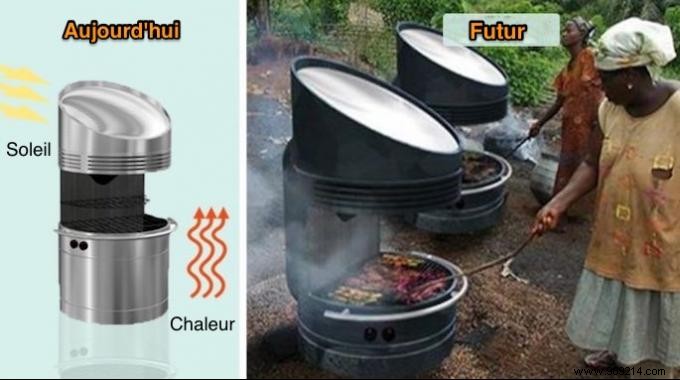
The technology harnesses solar energy but stores latent heat for up to 25 hours, enabling cooking at around 250°C.
A Fresnel lens—similar to those in marine signal lights—focuses sunlight to melt lithium nitrate in a container. The molten lithium nitrate serves as a thermal battery, releasing stored heat for cooking long after sunset.
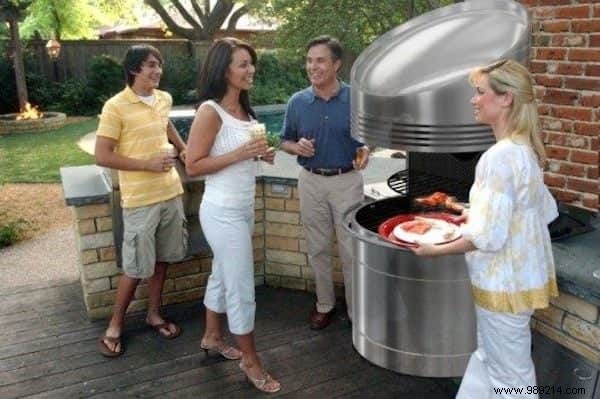
It functions like other solar cookers, delivering perfectly grilled meats anytime.
"While various solar cookers exist today," Professor Wilson notes, "few incorporate latent heat storage for extended use."
Current models falter without direct sunlight. During a trip to Nigeria, Wilson witnessed the toll of wood fires: respiratory illnesses and accelerated deforestation.
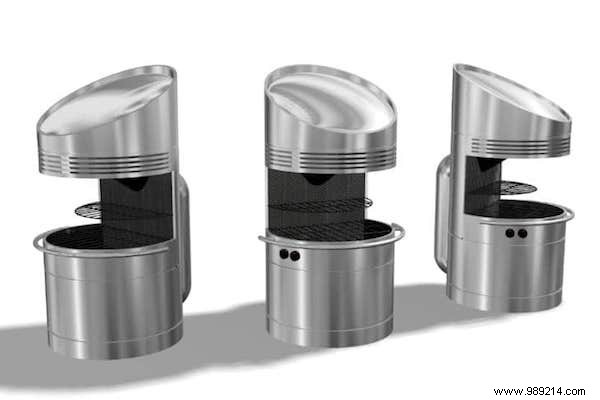
MIT students Derek Ham, Theodora Vardouli, and Eric Uva are prototyping this under the iTeams program. Their aim: launch a company to produce and distribute these cookers.
Ultimately, they envision a model targeting developing countries to make clean cooking accessible.
We eagerly await this nighttime solar barbecue. In the meantime, consider top options like the GoSun solar cooker (see the English video above), though it's currently U.S.-only.
French models exist but remain untested by us. DIY builds are viable—check this guidebook for instructions.
Share your favorite solar oven recommendations in the comments!
