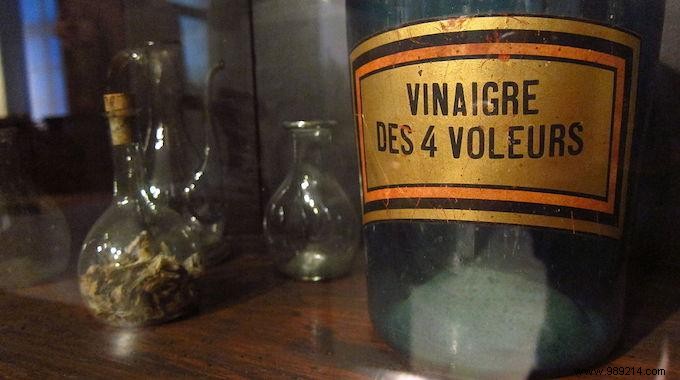
Vinegar has long been a beloved staple in kitchens worldwide, prized for its versatility.
But do you know its origins? Historical records mention vinegar over 5,000 years ago, with ancient Babylonian texts documenting its use.
It likely emerged alongside the first alcoholic beverages. Here's why:

From the era of the Pharaohs, tomb paintings from Egypt's 11th and 13th dynasties depict vinegar production.
Later, it became integral to Roman culture. In rural Rome, "Posca"—a mix of water and vinegar—served as a refreshing drink for soldiers and laborers.
During the Middle Ages, vinegar's applications expanded: as a condiment, food preservative, cleaning agent, and remedy for ailments like plague, leprosy, fevers, and snakebites.
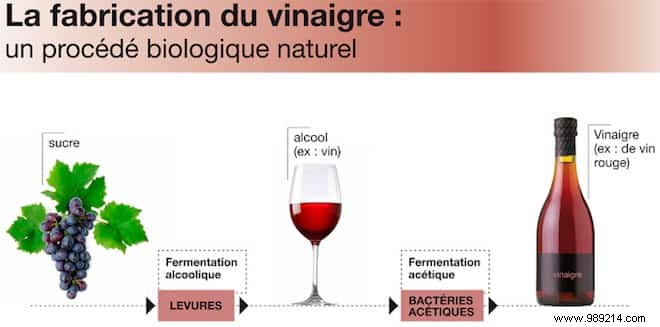
Whether white, cider, balsamic, or wine vinegar, all share a common double-fermentation process. First, sugars convert to alcohol in the presence of air (like grapes to wine or apples to cider). Then, alcohol transforms into acetic acid.
This initial alcoholic fermentation applies to any sugary fruit or vegetable.
The second stage turns that alcohol into vinegar—proving vinegar doesn't always start with wine.
Also discover: How to Make Apple Cider Vinegar from Leftover Apples.
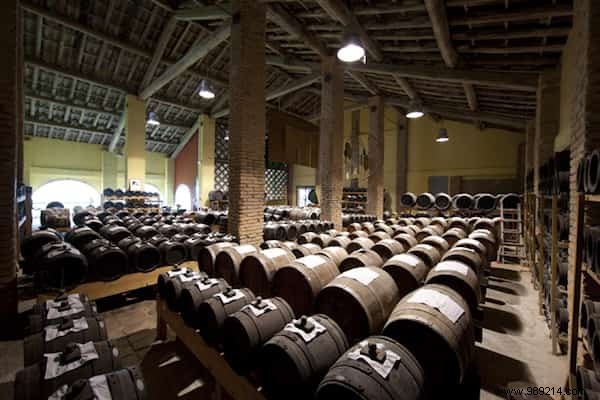
Wine was likely discovered accidentally, then refined over time. One day, exposure to air turned it sour—"wine gone sour."
Resourceful ancients recognized its potential, intentionally acetifying wine. In an era of zero waste, this byproduct became a staple with myriad uses, evolving into vinegar production.
To discover: How to Make Homemade Vinegar Easily?
While wine is a prime suspect, origins remain debated. Apple juice fermentation or Asian cereals are other possibilities.
Vines hail from Central Europe or Asia Minor, thriving around the Mediterranean with Phoenicians, Greeks, and Romans—who spread them to Gaul, yielding antiquity's finest wines.
This clarifies wine vinegar's roots, but other varieties boast equally rich histories and benefits.
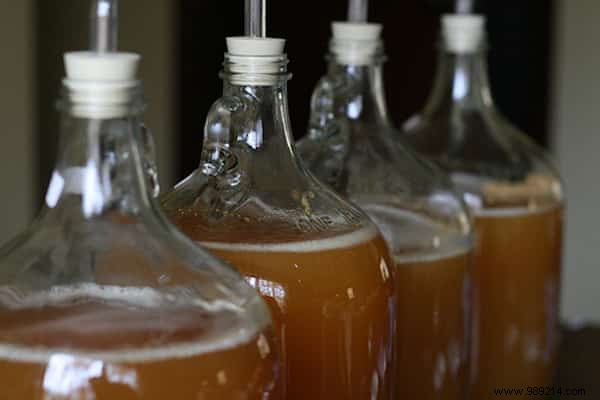
Cider vinegar derives from apples, native to Central Asia and cultivated widely in antiquity—even reaching Viking lands.
Historians note grape cultivation in Christian regions for sacramental wine, while pagan areas favored apples, the "forbidden fruit."
To discover: 11 Incredible Uses of Apple Cider Vinegar.
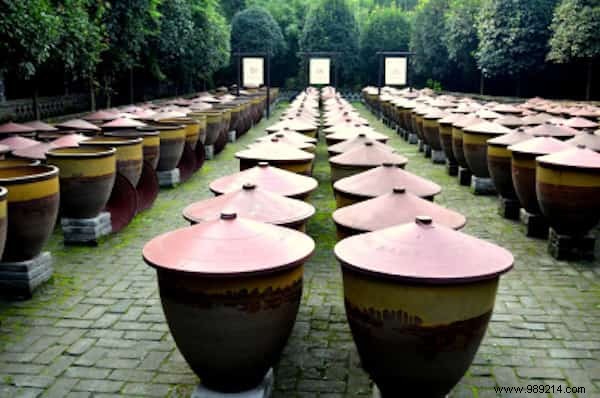
Rice vinegar, from white, black, or red rice (or rice wine), follows the same process—potentially the oldest form.
Flavors vary by rice type, from light to tangy. Beer vinegar tells yet another tale.
