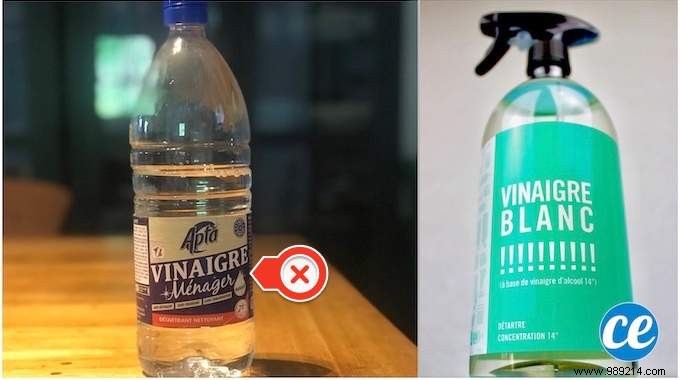
White vinegar has been my go-to cleaning essential for years, tackling grime throughout the home naturally and affordably.
It's non-toxic, versatile, and effective on almost every surface. But even this powerhouse has limits. As someone who's tested it extensively, here are 5 common white vinegar mistakes to avoid with household or food-grade varieties:
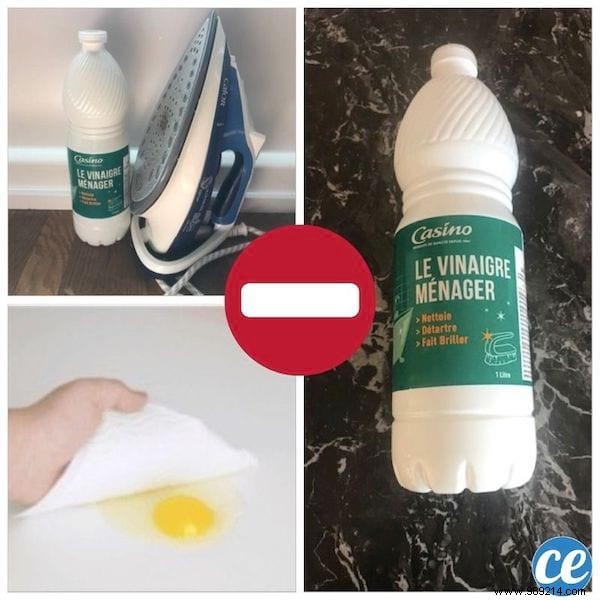
Avoid using white vinegar on natural stones like marble, granite, or soapstone. Its acidity can etch the surface over time, dulling the finish and causing permanent marks.
Instead, use this gentle alternative.
To keep blades sharp and rust-free, steer clear of acidic cleaners like white vinegar or lemon. They can tarnish silver blades or cause black spots.
That's why it's best not to cut salad directly on the plate with your knife, exposing it to dressings.
Use dish soap and warm water instead.
White vinegar reacts with egg proteins, causing them to coagulate into a stubborn, sticky mess that's nearly impossible to remove.
For eggs on the floor, skip the vinegar.
Instead, use a damp, soapy paper towel.
The acidity can corrode internal components of some irons.
Opt for safer methods.
Instead, use this salt-based trick.
Undiluted white vinegar on wood leaves water spots and erodes varnish over time, dulling the finish on furniture or solid hardwood floors.
Instead, use this wood-safe approach.
While some surfaces don't mix well with vinegar, it shines on countless others. I've relied on it for years—here are my top recommendations:
Click the links for detailed recipes and tips:
Got other white vinegar pitfalls to share? Drop them in the comments—our community loves hearing your experiences!
