Selecting the right garden tool is far from trivial. Gardening is about production—growing vegetables, flowers, and fruits. It's also about creating joy: the pleasure of sharing harvests, making discoveries, and reaping benefits we often overlook. Fresh, healthy vegetables are just the start. It encourages deep breathing, physical activity, keen observation, attentive listening, respect for nature, forging connections, and relearning patience through the rhythm of the seasons. We marvel at vibrant colors, unique shapes, the sprout pushing through soil, the ant hauling a seed across clods, or the wilting flower dispersing its seeds.
To fully enjoy these rewards, gardeners perform essential tasks with well-suited tools. Knowing cultivation techniques is key, but applying them requires respecting both the tool and the plant.
For every garden task, there's a proper method and the ideal tool. Every mechanical action starts with the right choice: a hoe for weeding, a rake for leveling soil, and so on.
Hand tools come in two types: forged and welded, with forged being more durable. For loose soil, welded hoes, pruners, spades, fork-spades, and rakes work well regardless of ground type. However, for heavy or stony soil, opt for forged hoes, pickaxes, saps, and tines—they're far sturdier.
Garden tool handles matter too, typically made of wood or composite materials. Composites cost two to three times more than wood but are nearly unbreakable, making them ideal for pickaxes and spades.
Regardless, maintain your tools diligently: sharpen metal parts, apply rustproofing, and protect wooden handles. These are essential gardening routines.
Find quality garden tools at local garden centers, DIY stores, or online retailers like MonMagasinGeneral.com.
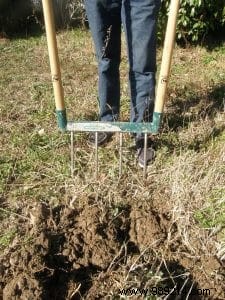
use of biogrif
