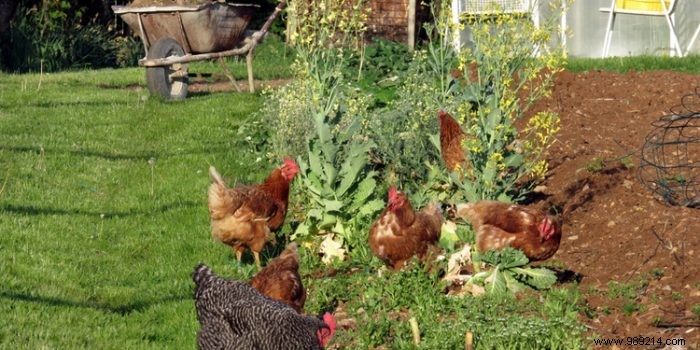
To ensure your chicken coop runs smoothly, it's essential to truly understand your hens. These sociable and observant birds thrive when properly tamed and provided with an enriching, healthy environment.
Hens produce a variety of vocalizations, each carrying specific messages in their unique language. This helps them interact with each other and signal their needs to you.
While these sounds can be subtle to human ears, close observation of their behavior reveals a lot. Hens chatter throughout the day, and communication even begins inside the egg.
Hens naturally love scratching the ground and feel secure in a comfortable setting. Stress disrupts this, potentially halting egg production and affecting health.
Watch for signs like feather loss, reduced eating, pecking at flock mates, or decreased laying. In contrast, a healthy hen boasts shiny plumage, a vibrant comb, calm foraging, hearty appetite, and consistent eggs.
Hens dislike solitude and establish a clear pecking order in the flock. Without a rooster—which requires 7-8 hens to avoid overbreeding and whose crowing can be disruptive in urban areas—a dominant hen often leads.
If one hen bullies excessively, isolate her briefly before reintroducing, then monitor. Scatter treats like lettuce around the run to encourage positive interactions and training—hens learn fast and tame readily, making coops ideal for family fun, especially with young birds.
