Many homeowners who have purchased property or embarked on construction projects face challenges funding renovations or upgrades. This is often due to outstanding mortgage debt that limits new borrowing capacity. As experienced financial advisors, we'll explain your options and how to secure the funding you need.
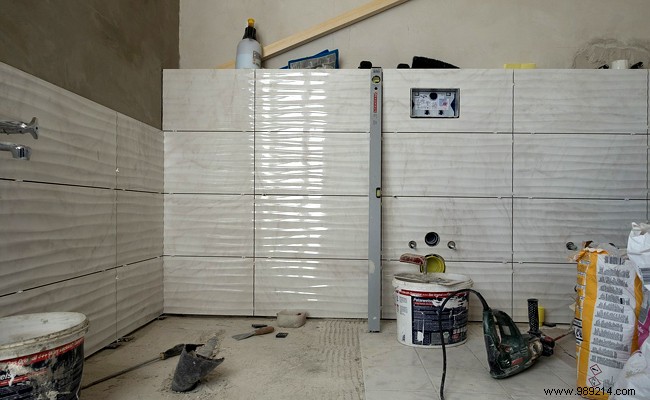
When buying an older home for renovation, essential updates are costly—whether you DIY or hire professionals. While some incorporate renovation costs into their initial mortgage, unexpected expenses frequently arise. These can be covered by consumer credit, provided you have the borrowing capacity to manage additional debt.
Homeowners undertaking renovations or construction often prefer integrating costs into their mortgage to benefit from favorable terms like longer durations and lower rates. However, you can't simply add to an active loan, as it requires recalculating the total cost. The solution? Mortgage refinancing, which consolidates everything and potentially secures better rates.
Mortgage refinancing, offered by banks and lenders, allows you to repurchase your existing loan while adding funds for renovations. This resets the loan over a longer term, adjusting monthly payments to fit your budget. You can opt to keep payments similar (extending the term) or maintain the term (with higher payments).
The key advantage is its flexibility, tailoring repayments to your finances while funding property improvements. Start with an online simulation tool for quick insights, then prepare your application to access funds efficiently.
If you have a mortgage plus other consumer loans, refinancing can bundle them all—a process known as debt consolidation. This streamlines payments into one monthly withdrawal, often more efficient than refinancing a single loan alone.
