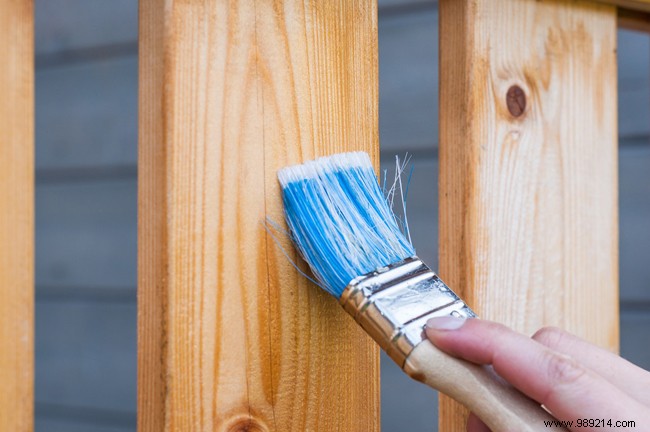
Originally valued for its nutritional benefits, linseed oil has evolved into a versatile solution for wood care. As experienced woodworkers know, it excels in protecting and enhancing wooden surfaces in both interior and exterior applications. This natural, effective treatment has become indispensable for DIY enthusiasts seeking durable, beautiful results.
Linseed oil, extracted from dried flax seeds, dates back to antiquity. Today, it's a trusted choice worldwide for maintaining exterior wood like garden sheds, cladding, and structures, as well as interiors such as parquet and furniture. Available in several varieties:
Wood faces relentless threats from UV rays and moisture. Sun exposure grays and cracks surfaces, much like a sunburn on skin, detracting from appearance without immediate structural damage. Moisture, however, invites capillary rise, insect infestations, and fungal growth.
Linseed oil offers reliable surface protection. Non-film-forming, it creates a resilient, elastic satin finish that's visually striking. Eco-friendly, cost-effective, and low-odor, it dries in 12-24 hours with siccatives.

For professional results, preparation is key. Clean wood with Saint Marc detergent or Marseille soap, rinse thoroughly, sand with an electric sander, and dust off.
Dilute one part linseed oil with one part turpentine. Test on a small area first to confirm the color.
Wear a mask, gloves, and glasses. Apply with a roller or spalter brush. Allow drying between coats—two for furniture, at least four for parquet.
Lightly sand (150-180 grit) between coats with a sanding block to enhance penetration and smoothness, ensuring maximum durability and water repellency.
Linseed oil equips wood with a protective, water-repellent barrier against graying and wear.
