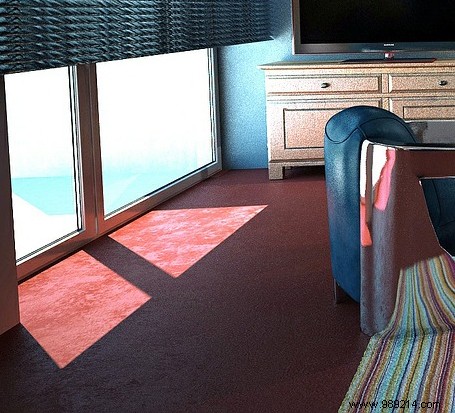
For an authentic industrial or loft aesthetic in your home, waxed concrete is an ideal choice. Perfect for kitchens, bathrooms, and beyond, this sleek coating adds undeniable character to any space. Here's a comprehensive look at its key features and applications.
Waxed concrete is a thin, few-millimeter-thick coating applied over a screed, created by blending clay, lime, water, sand, pigments, and resin.
Developed in the 1990s by Francesco Passaniti, inspired by traditional terrazzo—a mix of marble pebbles and concrete—the technique evolved by substituting pebbles with gravel. The finish is achieved through sanding and polishing paste application.
Once reserved for industrial and commercial spaces, waxed concrete now enhances residential interiors with its contemporary appeal. Skilled artisans have introduced variations like printed, washed, smoothed, deactivated, and stamped concrete, offering endless design possibilities.
Waxed concrete elevates every room, suitable for both floors and walls. Its versatility allows application over tiles, parquet, or screed. An unexpected use: resurfacing furniture for a custom, designer touch.
Waxed concrete tables stand out with their high-end, bespoke style. It's also perfect for bathroom vanities, kitchen countertops, and even outdoor surfaces—though less sanding is recommended to prevent slipperiness.
Color options align with current trends: black, earth tones, beige, taupe, and gray. These mineral hues impart a timeless, natural elegance to your home.
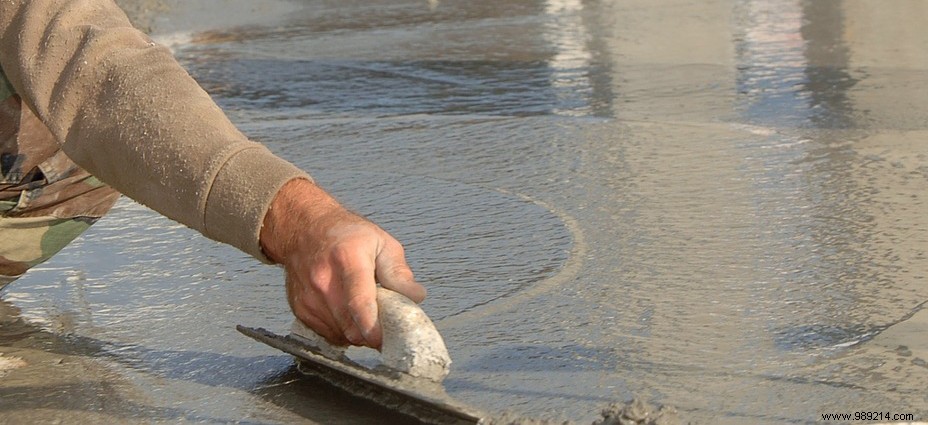
Installation demands precision, so hiring a certified professional is highly recommended. For DIY enthusiasts, gather essentials: scales, buckets, trowels, polishers, mixers, gloves, and a protective mask.
Ensure excellent ventilation during application. Maintenance is straightforward—regularly clean with water and a mop, adding wax to the rinse water to enhance durability and sheen.
