Virtual reality (VR) is advancing rapidly toward mainstream adoption, akin to smartphones and gaming consoles. Pioneering devices like the HTC Vive have redefined immersive gaming and experiences, bringing us closer to Star Trek's Holodeck. As VR integrates into homes, its psychological and societal impacts—especially for introverts—demand exploration.
Imagine a dedicated VR room in every household. Will introverts embrace it for meaningful connections or retreat further? Drawing from psychological research, this article examines why VR could enhance introverts' lives.
Introversion isn't a flaw—it's a preference for meaningful solitude, deep reflection, and creativity. True introverts often produce profound ideas precisely because of their introspective nature.

Research highlights why VR appeals to introverts:
What VR activities will resonate most? Consider these evidence-based examples.
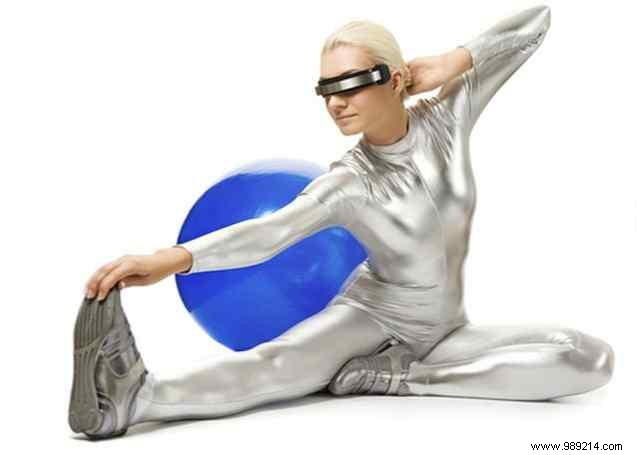
Gyms often overwhelm introverts with noise, sweat, and small talk. VR changes that, enabling 'gym sessions' with avatars—social benefits minus the chaos.

Studies like VR cycling via Expresso show heightened fitness gains. Stanford's Virtual Human Interaction Lab found the 'mirror neuron effect' motivates users as avatars 'exercise' alongside them, mirroring real progress. For imaginative introverts, this internal success dialogue boosts engagement.
Remote classes mean camaraderie without chit-chat or locker-room awkwardness.
VR gaming's immersive worlds captivate introverts' love for deep, abstract play. Avatars let players embody ideal selves, focusing on strategy over superficial talk.
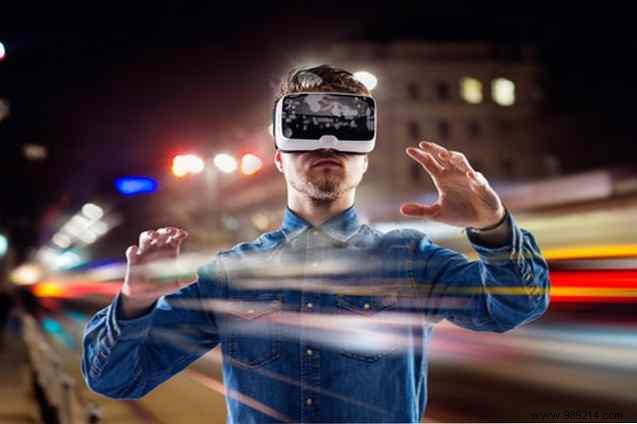
As John Briggs notes in Virtual Reality Is Getting Real, gaming reveals personalities before real bonds form—much like today's online communities. Physically limited individuals already thrive virtually; introverts gain similar freedom.
Introverts often seek social practice but dread exhaustion. VR simulates scenarios like public speaking safely.
At the 2015 Bloomberg Technology Conference, demo software tracked eye contact and audience reactions, refining delivery. For content-focused introverts, it's transformative.

Remote tech already empowers introverted CEOs, per Steve Tobak on CBS MoneyWatch, emphasizing ideas over cues. VR meetings amplify this, fostering deep dialogue.
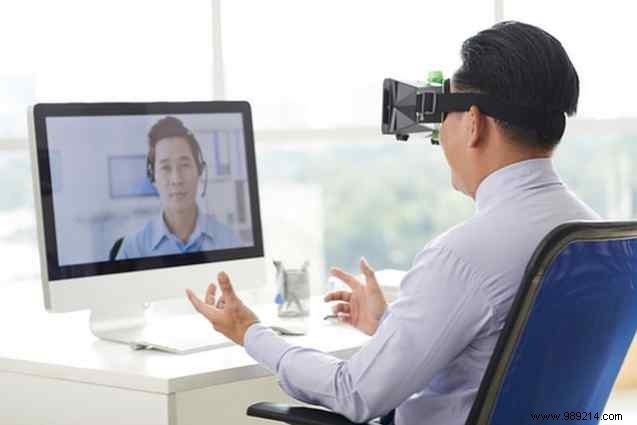
History shows tech favors introverts; VR rooms offer socializing at a switch's flick—best of both worlds.
Introvert? Has tech enhanced your life? How might VR elevate it? Share below!
