Do you really need a gas or diesel generator? Would a solar generator make more sense? What solar generator options are available? As experts in off-grid power solutions with years of hands-on testing, we'll break it down for you today.
Solar generators harness photovoltaic (PV) panels to convert sunlight into electricity, which flows to a charge controller. The controller regulates and directs power to rechargeable batteries. An inverter then converts the batteries' DC (direct current) electricity into AC (alternating current) for household use.
This simple, stationary system has no moving parts, delivering reliable performance with minimal upkeep.
Key advantages include:
Fuel generators (gas or diesel) convert chemical energy from fuel into mechanical energy via an internal combustion engine, then into electricity through an alternator. Fuel ignites in the engine, spinning the crankshaft to rotate the alternator's copper rotor past stationary magnets, inducing electrical current.
This intricate setup involves many moving parts for high-output power.
Standout features:
Generator needs vary by scenario. We'll compare two common cases, weighing each type's strengths to guide your decision.
You live in the city, preparing for storms like hurricanes or blizzards. You need to power essentials—heater, lights—for 1-2 days in limited space, like a balcony.

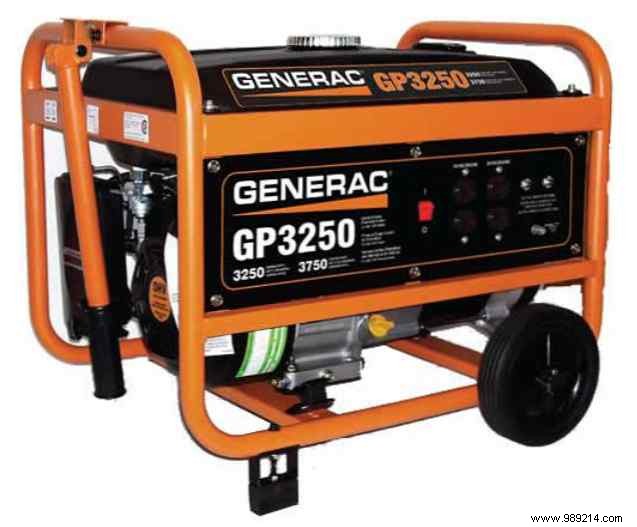
A fuel generator excels here: Suitcase-sized units deliver thousands of watts instantly. Store gas cans ahead, position outdoors for safe venting, and run extension cords inside. Post-outage, store easily with basic mower-like maintenance.
Weekly tent or trailer trips call for low-power needs: phone charging, lights, small TV for rainy days—a few hundred watts.

Solar shines: Setup panels once at camp; they charge silently all day for evening use. No fuel hassles, fumes, or noise—perfect for nature immersion.
Match capacity to your loads. Fuel generators list running/starting watts (kW); solar uses amp-hours (Ah).
Use tools like Briggs & Stratton's Generator Size Calculator for precision.
From phone chargers to industrial trailers, options abound—evolving rapidly as demand for clean power grows.
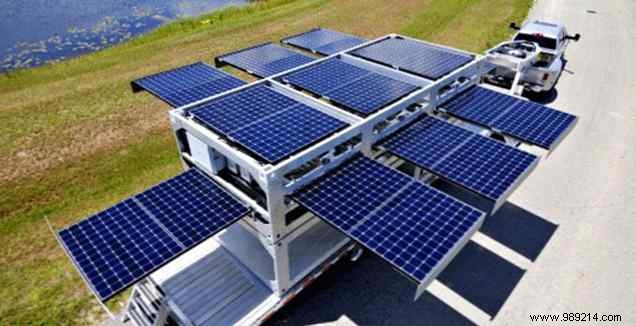
Compact and user-friendly, charges via AC in 5 hours or panels. Ideal for phones, laptops, LEDs—not high-draw motors.
More capacity for camping comfort or outage basics (radios, single fridge/microwave). Cooler-like design stores everything; expandable with batteries/panels.
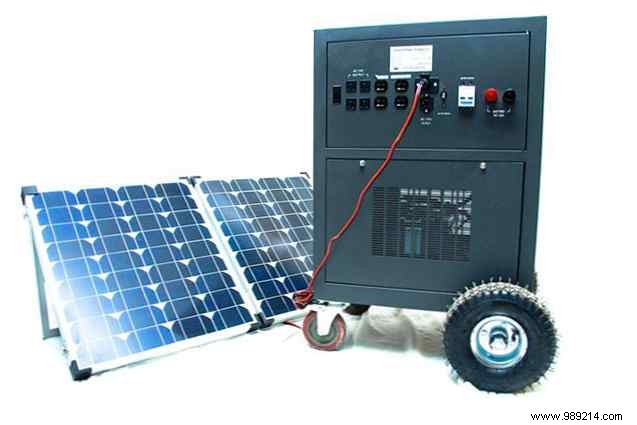
Home-scale: 3500W/225Ah runs furnace, pump, etc., for 20 hours. AC/DC outputs, auto-transfer switch, vehicle-upgradable.
Armed with these insights—from mechanics and benefits to real-world scenarios and top models—you're equipped to choose and size the perfect generator. Stay powered and prepared!
