If you're eyeing an old dresser or heirloom chair for purchase or restoration, knowing what to check can save you time and money. Mass-produced pieces from 1850 to 1960 are prime candidates for refinishing—they're solidly built, durable, and rarely hold significant antique value. However, always consult an expert if you're unsure about the age, advises Teri Masaschi, author of Foolproof Wood Finishing: For Those Who Love to Build and Hate to Finish. "The rule of thumb: if it's pre-1850, research preservation versus restoration first to avoid damaging family heirlooms," she notes.
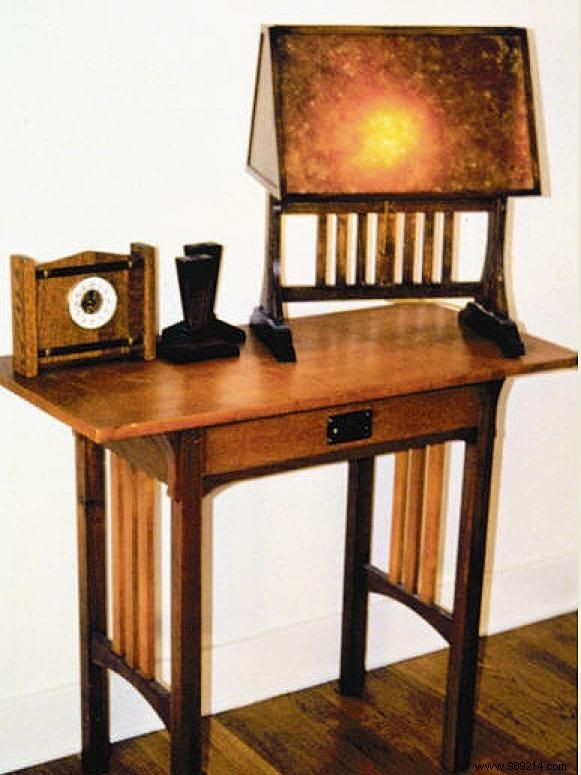
Exception: Some later pieces from renowned makers, like Art Deco or Arts and Crafts eras (as shown below), fetch premium prices and deserve hands-off treatment. Trust your instincts if something stands out, and seek a professional opinion.
These proven guidelines help assess age and craftsmanship, though exceptions exist—proceed with care.
Dovetails signal quality and age. These sturdy, skilled joints appear in well-made furniture. Hand-cut dovetails, with jagged tails and thin, sharp pins, often date American pieces before 1890—post that, factories favored uniform, wider versions through modern times, per Masaschi. No dovetails? It may still be refinishing-worthy if sturdy, but unlikely antique-caliber.
Hand-cut (top, below) vs. machine (bottom).
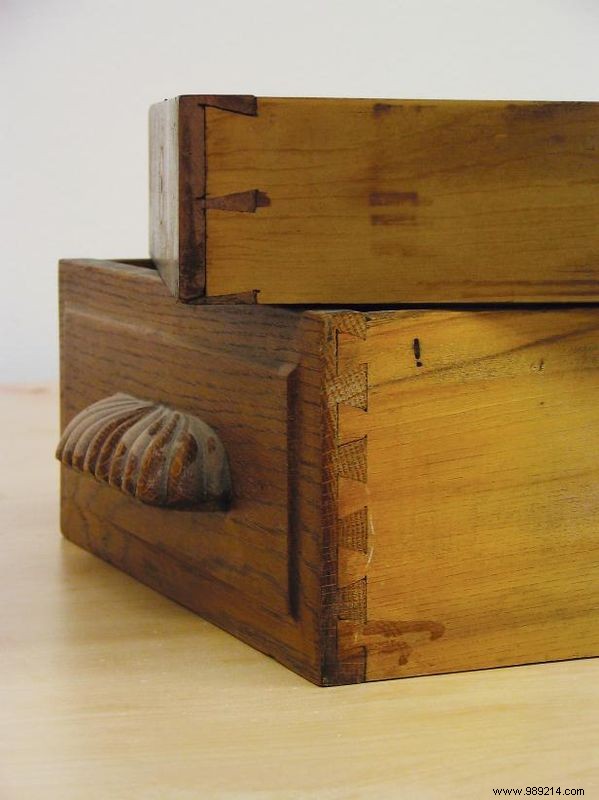
Scott E. Kriner, Fox Chapel Publishing
Examine the back, drawer interiors included. Solid wood suggests pre-1880s origin; plywood emerged late 19th century. Particleboard points to 1960s+, the era of cost-cutting shortcuts, as Masaschi describes.
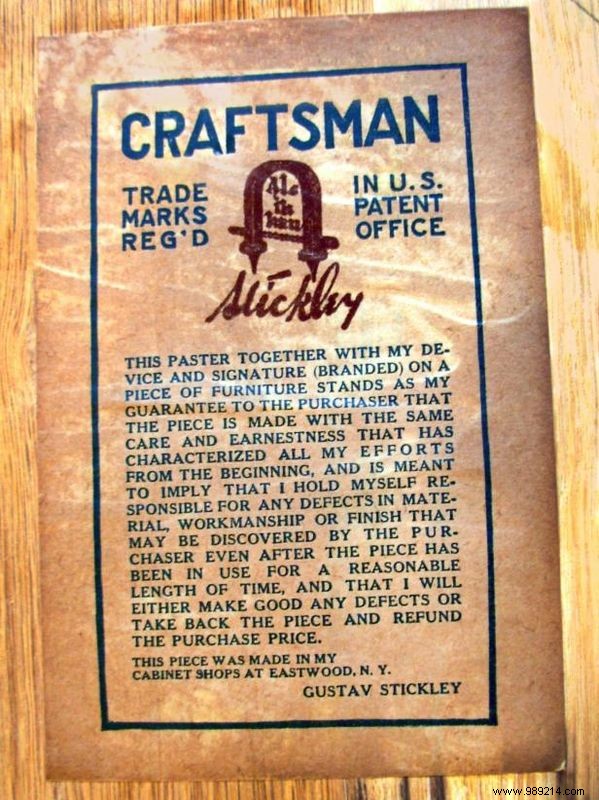
Lucky finds include handwritten signatures on early handmade pieces (pencil inside drawers) or later paper labels, brass plates, or 1950s-60s stencils. Mass-produced 20th-century items might bear names like "Larkin Soap Co." or "Cadillac Cabinet Company," indicating commonality—ideal for DIY refinishing up to the 1950s particleboard shift. Note: Only one suite piece may be marked.
Original brass or wooden knobs suggest age; match styles like Chippendale, Hepplewhite, or Federal (example below) via reference guides for dating. Masaschi adds:
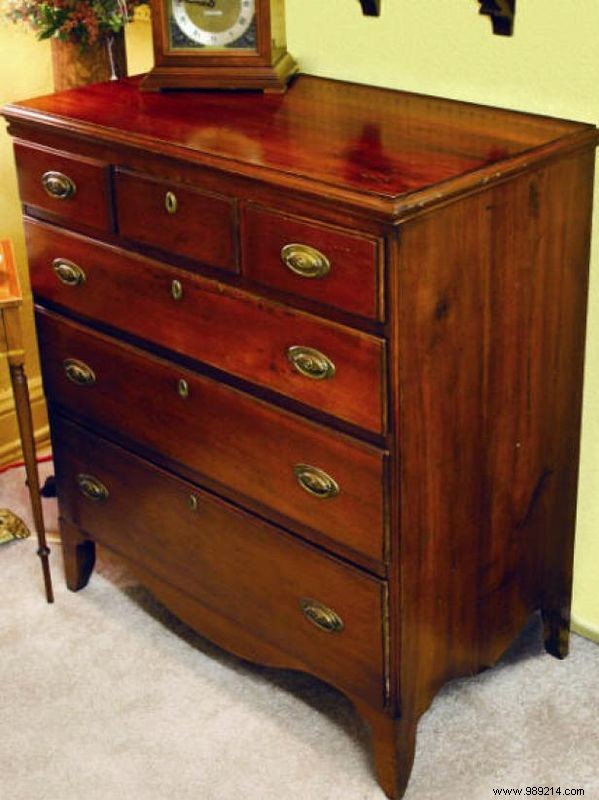
These insights guide finishes and hardware choices, ensuring your project honors the piece's history.
