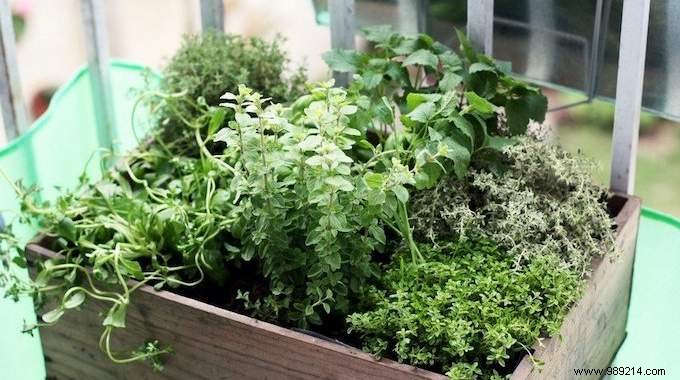
Growing fresh herbs in a kitchen planter is incredibly rewarding—you can snip leaves straight for your dishes anytime. While low-maintenance, avoiding these pitfalls ensures lush, flavorful results.
Here are 13 mistakes to avoid for successfully growing beautiful aromatic herbs at home. Watch:
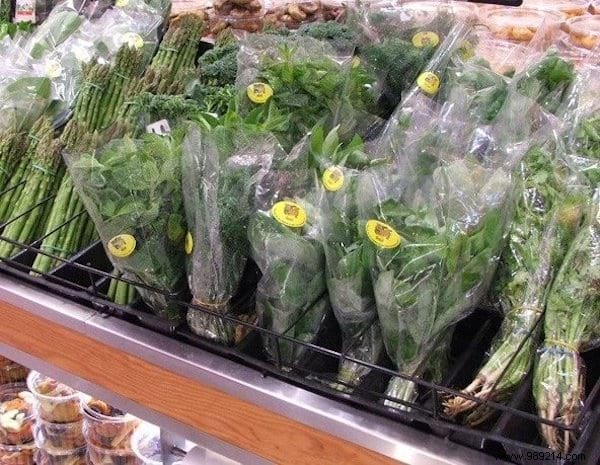
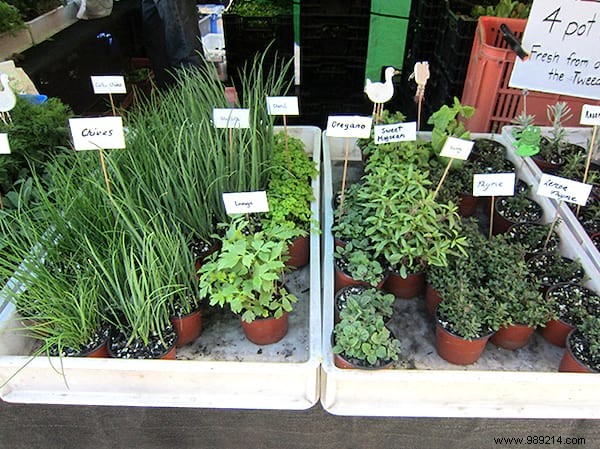
The first mistake is buying fresh herbs from the supermarket. They're often expensive, in poor condition, and sold in large bunches when you need just a few sprigs.
Instead, source mature plants from markets or garden centers—they're cheaper, higher quality, and ready to thrive.
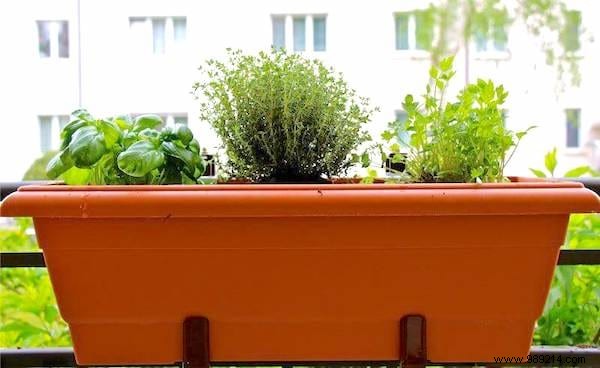
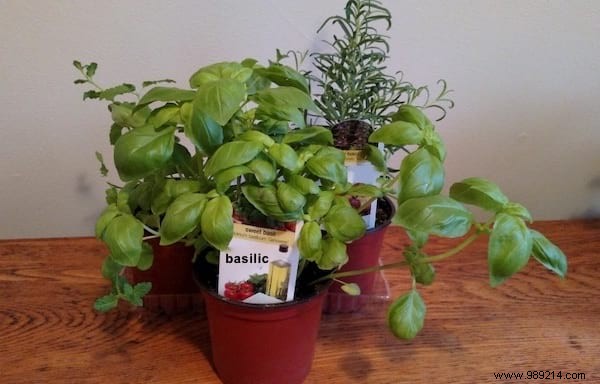
If herbs are too distant, you'll rarely harvest mid-recipe—convenience matters in home cooking. My top tip: Place them on your kitchen windowsill. They thrive in pots and are always at hand!
To discover: How To Grow Potted Herbs At Home.
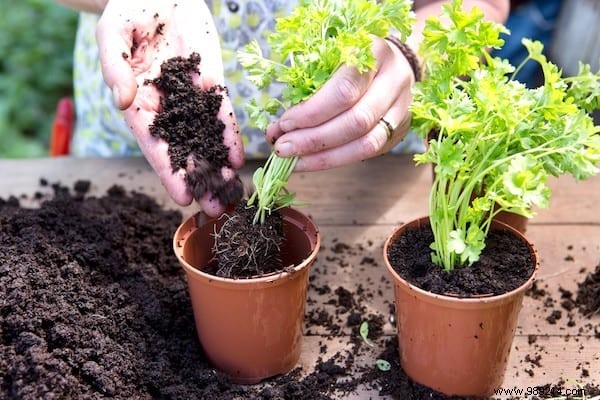
Sowing from seed is possible but time-consuming and challenging, even for experienced gardeners. Parsley alone takes 3 weeks to germinate, requiring constant monitoring.
Buy established plants from markets or centers for quicker, foolproof success.
Herbs fall into two groups: Mediterranean types (thyme, rosemary, sage, bay laurel, oregano, marjoram) need poor, well-drained soil and full sun to avoid root rot.
Add gravel at the pot base for drainage, space waterings, and amend clay soil with sand or mounds.
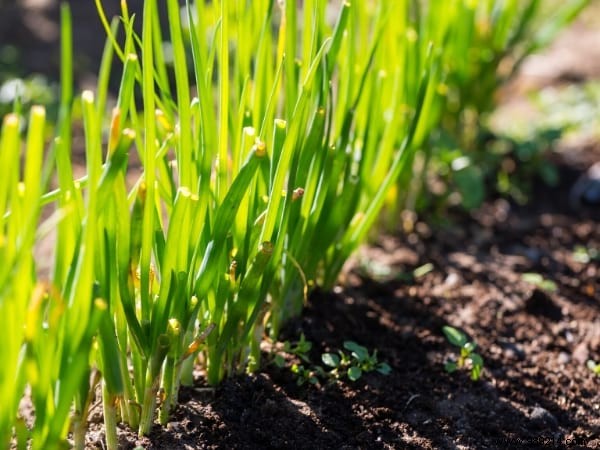
Not all herbs are Mediterranean. Dill, chives, basil, chervil, coriander, tarragon, mint, and parsley prefer rich, moist soil in semi-shade, with frequent watering and monthly nitrogen like nettle manure.
Never mix the two types—they have opposing needs.
Perennials like chives, tarragon, mint, thyme, rosemary, bay laurel, sage, oregano, and marjoram are woody shrubs—plant them in borders, not veggie beds, as they stay for years.
Annuals (basil, dill, chervil, anise, coriander) die yearly and need replanting.
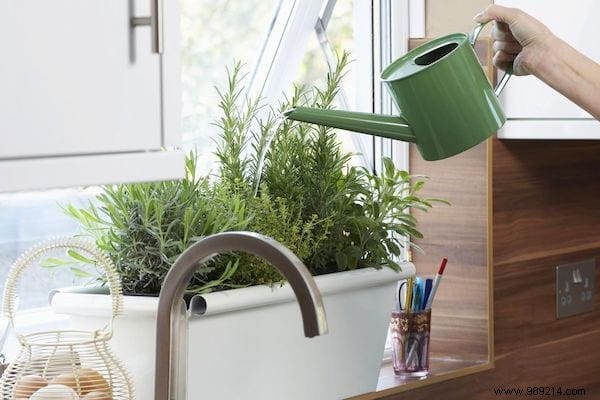
Mediterranean herbs need minimal water after rooting; others require deep weekly soakings, plus misting in heat. Test soil moisture with your finger—if damp 2cm down, skip watering.
Empty saucers to prevent stagnation; excess water kills plants.
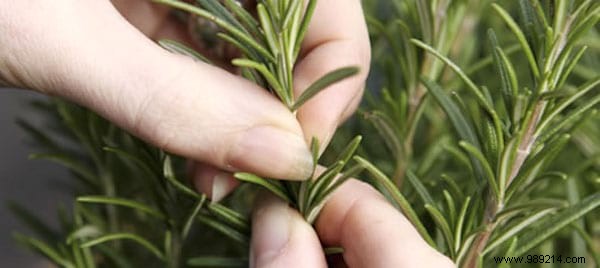
Regular pruning is essential, even on small plants—it promotes bushier growth. Basil is ideal for beginners: Cut above leaf pairs for V-shaped branching.
Prune often, freeze extras for winter, always above leaves, sparing base branches for optimal nutrition.
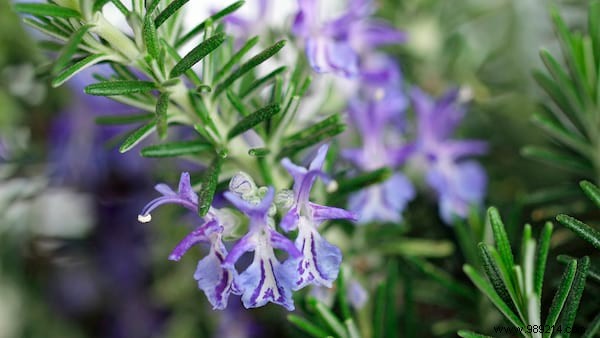
Flowering halts leaf production—we harvest leaves. Pinch buds to delay blooms and extend harvests.
Exceptions: Edible flowers from dill and chives enhance salads or pasta.
To discover: 24 Edible Plants Easy to Recognize.
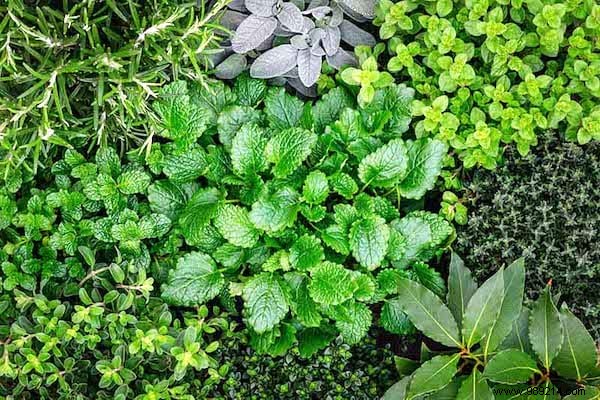
Start with basics like thyme, parsley, mint, basil—but experiment! Try robust verbena, lemon balm, angelica, savory, saffron, juniper, borage, or wild thyme.
Explore 40 thyme varieties, 10 basils (lemon, purple, licorice), 30 mints (peppermint, calyptus, bergamot, Chinese). Check Kokopelli here.
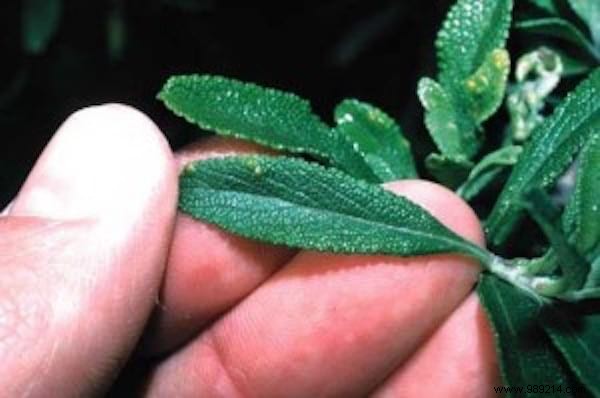
Before buying, rub leaves to smell the aroma and taste a bit. I avoid cinnamon basil but prefer Moroccan mint over peppery peppermint—test to match your palate.
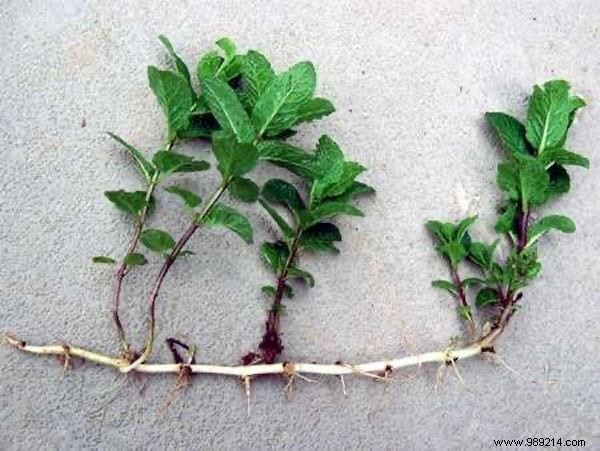
Mint invades aggressively—plant in buried terracotta pots to contain roots. Prune oregano and sage regularly to prevent spread.
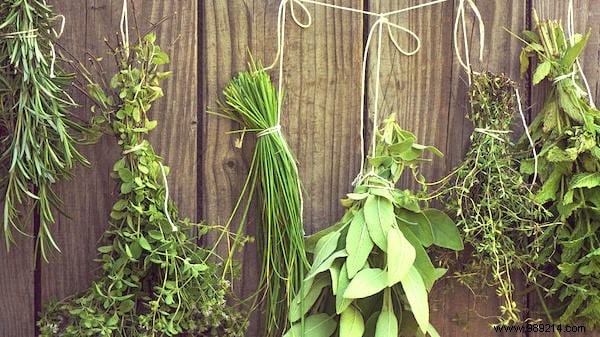
Summer abundance exceeds use—preserve wisely. Dry thyme, rosemary, savory, bay, oregano. Freeze chives, basil, mint, dill using this simple trick.
