Properly cleaning your cloth face mask is essential for maintaining its protective effectiveness. However, certain common practices can damage the fabric or render it useless. As experts in infection control and textile care, we've outlined 7 key mistakes to avoid when disinfecting at home—plus proven alternatives backed by studies from institutions like Stanford School of Medicine and consumer watchdogs like Que Choisir.
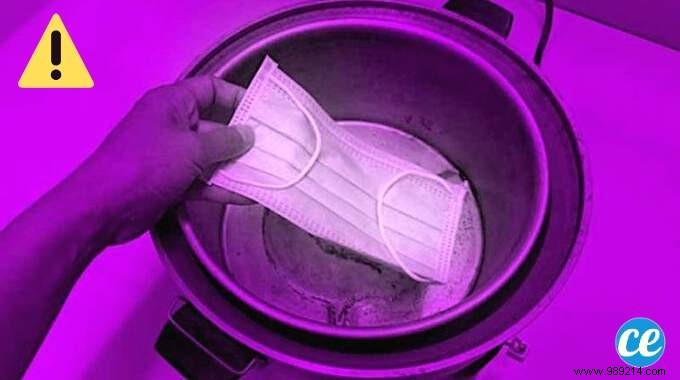
While COVID-19 is inactivated above 60°C, home ovens aren't suitable. A Stanford School of Medicine study tested masks at 70°C for 30 minutes, but it required suspending them without metal contact—impractical and risky for home use.
Microwaves pose serious hazards. Metal nose wires or adjusters can spark fires, plastics may melt, and elastics can degrade. Without standardized time and power settings from reliable studies, this method is unsafe and ineffective.
Steaming by boiling water and holding the mask above for 10+ minutes risks burns and only works up to 5 times, per Que Choisir tests. Repeated exposure damages fibers, compromising filtration.
These chemicals degrade mask fibers, reducing efficacy. Lingering vapors can irritate airways—counterproductive for respiratory protection. Stick to gentler methods to preserve integrity.
Lab-grade UV works, but household sunlight lacks the intensity and duration needed against coronaviruses. Without professional equipment, this isn't a viable home solution.
No peer-reviewed studies confirm ironing eliminates viruses, and high heat often warps elastics. It may flatten pleats, hindering fit and function.
Cold doesn't kill or inactivate the virus. Added moisture from condensation can weaken fibers, making the mask less effective over time.
Related read: Coronavirus: 8 Mistakes Everyone Makes With Their Mask.
Two reliable, expert-recommended methods:
- Machine wash at 60°C for 30+ minutes with detergent, or hand wash with soap. Dry in a dryer or hairdryer within 2 hours.
- If washing isn't possible, air-dry in open air for at least 5 days. Per Que Choisir, the virus dies naturally. Rotate multiple masks for continuous use.
Related read: Coronavirus: How to Properly Wash Your Homemade Mask.
Discard damaged, loose, or holed cloth masks in a sealed plastic bag. Surgical/paper masks are single-use only—seal and trash immediately after wear. Never attempt to clean them.
