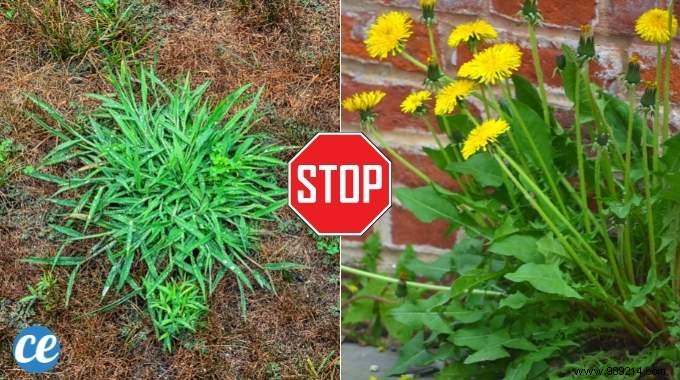
A pristine, thriving garden deserves to be weed-free. As a seasoned gardener with over 20 years of hands-on experience maintaining lawns and vegetable patches, I know firsthand how quickly weeds can overrun your hard work.
Weeds spread rapidly and aggressively, invading lawns, pathways, and flower beds. To help you reclaim your space, I've compiled this expert guide to the 15 toughest garden weeds, complete with clear identification photos and reliable, natural removal strategies that have worked reliably in my own garden.
Discover how to spot and eliminate these persistent intruders safely and effectively.

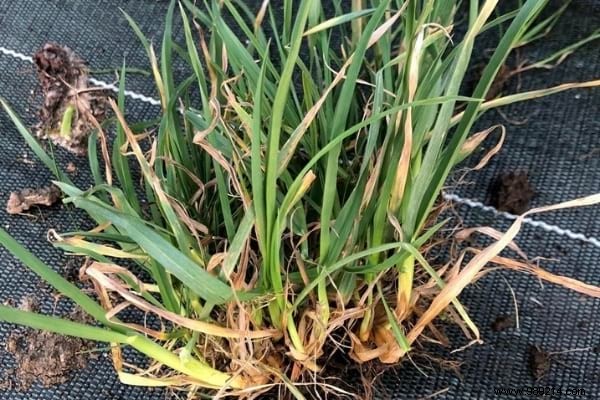
Quackgrass (also known as couch grass) is one of the most notorious weeds, infiltrating pathways, lawns, and cracks between flagstones. It grows rapidly and is notoriously hard to eradicate because any surviving rhizome (underground stem) will regrow.
Quackgrass germinates from March to October, so stay vigilant during these months. Avoid rototillers or hoes, which fragment rhizomes. Instead, use a spade fork to dig deeply and extract entire rhizomes. Repeat monthly and mulch clean areas with natural materials for prevention.
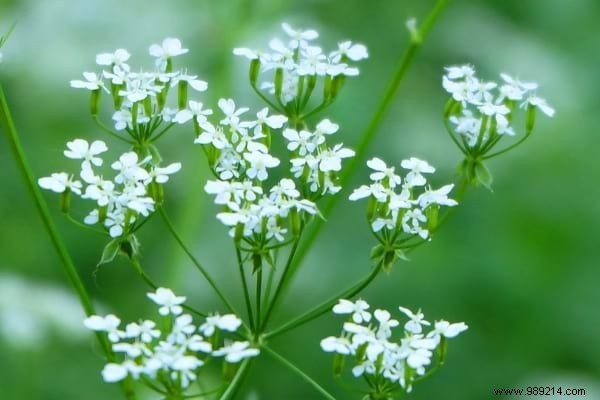
Ground elder features long, extensive rhizomes that make it incredibly persistent. Despite its attractive appearance, its invasiveness makes it a garden nightmare.
Steer clear of tillers or hoes that leave rhizome fragments. A garden claw or spade fork, followed by thick natural mulch, effectively removes it.
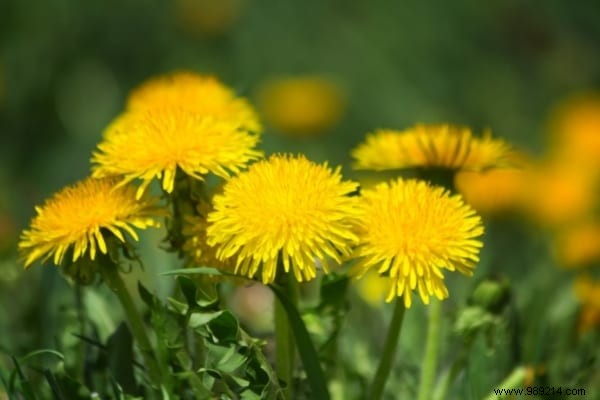
Dandelions are iconic yet despised, blanketing lawns in spring. Their wind-dispersed seeds and deep taproots make them highly resilient, but targeted natural methods work well.
Apply Epsom salt for effective control—it's safe for surrounding plants. Use a weeding knife or gouge for manual removal, or pour boiling water on isolated plants. Bonus: Young dandelion leaves are edible in salads.
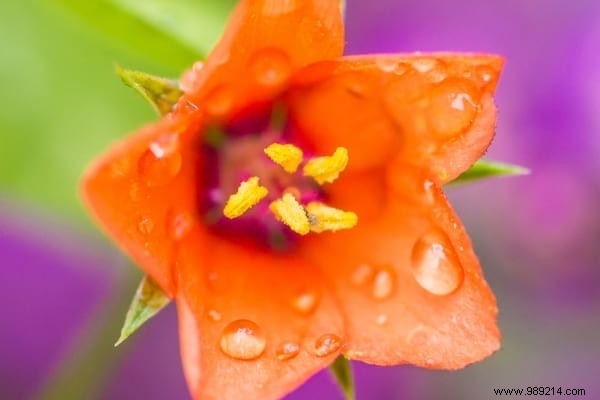
This annual weed grows rapidly on the surface with creeping roots and prolific seeds. Uproot it early to prevent invasion.
Act before flowering: Pull by hand or hoe regularly to stop seed production.
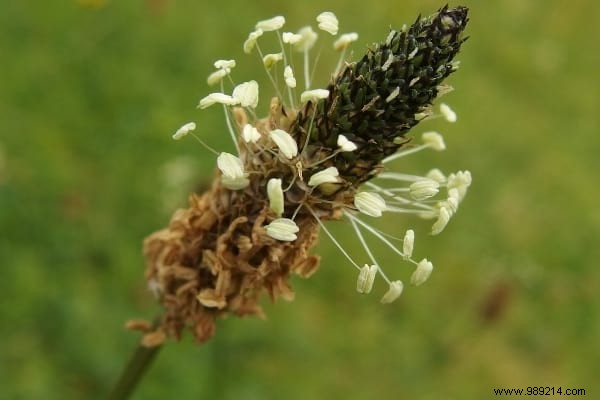
Attractive in moderation, ribwort plantain spreads quickly if unchecked.
Extract the large central root with a weeding knife or gouge.

Often mistaken for clover, wood sorrel releases bulbils if stems break during removal, leading to widespread regrowth from May to October.
Avoid hoes or spades. Perform careful manual weeding, extracting entire stems intact to prevent bulbil dispersal.
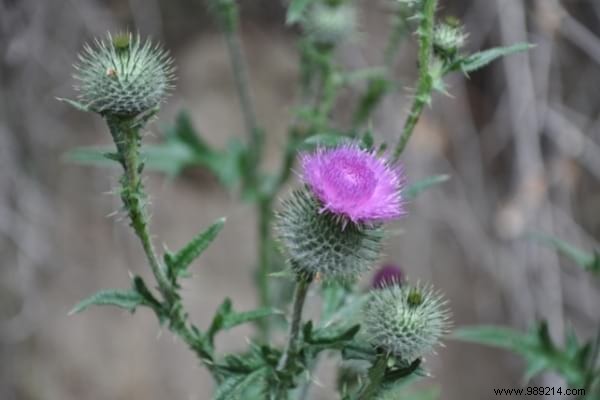
With spiny flower heads, this weed stings and spreads via suckering roots—no seeds needed for propagation.
Remove before blooming to avoid seed spread. Use a gouge or spade to extract all roots completely; even fragments regrow. Skip tillers.
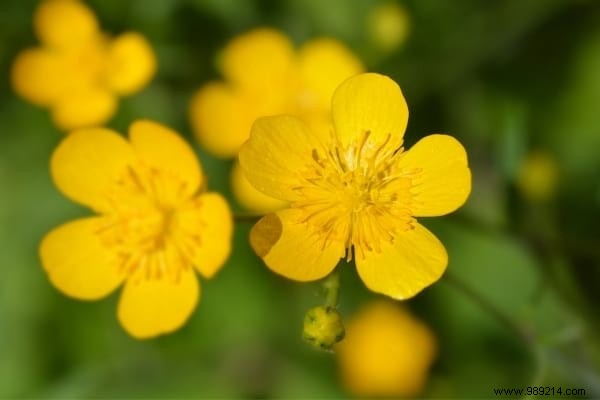
Deceptively delicate, this tough perennial thrives in wet or clay soils, multiplying via stolons.
Treat before flowering. Dig out each rosette with runners using a spade fork.
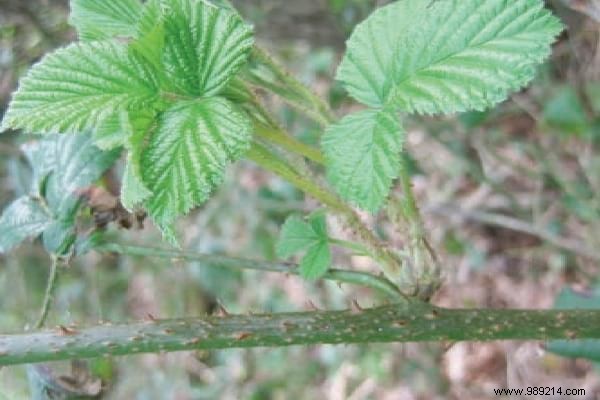
Brambles root deeply and regrow vigorously, requiring persistent effort.
For young shoots, use a spade repeatedly. Mature roots demand a pickaxe. Persistence is key—new shoots will emerge.
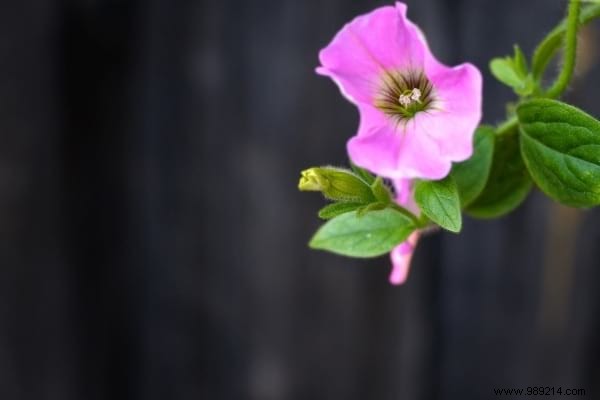
Known as "devil's gut," this climber strangles plants with roots up to 2m deep and attractive flowers.
Cut stems systematically as they appear and extract roots relentlessly—it's a war of attrition.
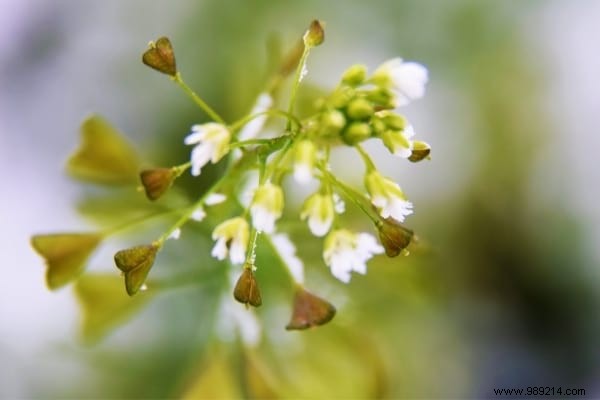
Thrives in light, rich soils up to 40cm tall; can spread clubroot in vegetable gardens.
Uproot early before seed set (multiple times yearly). Use a weeder or hoe. Edible leaves taste like mild arugula.
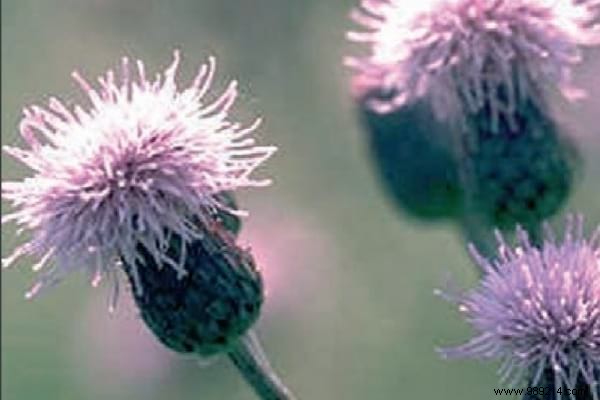
Pretty summer flowers hide prolific seeds and suckering roots.
Cover soil or cut tops with a gouge before blooming to exhaust roots.
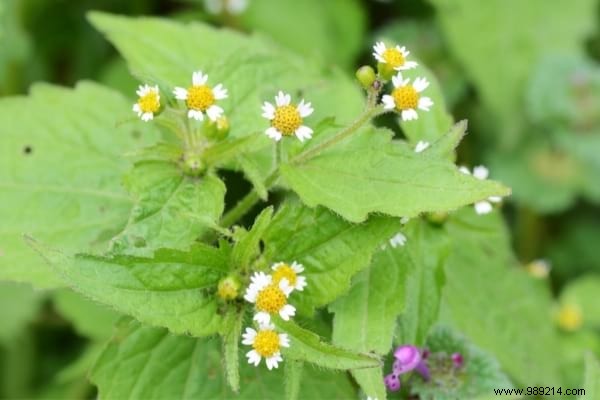
Produces up to 7,500 seeds by week 8; harbors pests, nematodes, and viruses.
Hoe early before flowering or use false seeding: Prepare soil to germinate weeds, then remove before crops.
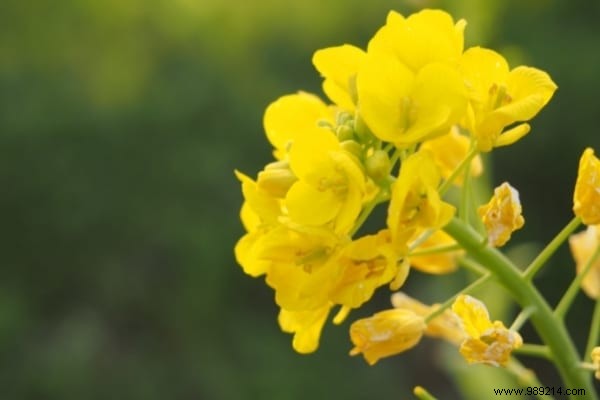
Common on clay-rich soils June-October; hosts flea beetles and cabbage diseases.
How to eliminate field mustard: Uproot at early flowering; root fragments don't regrow.
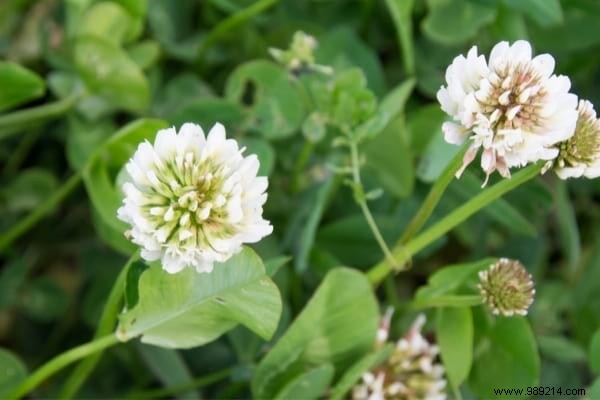
Perennial with nectar-rich flowers; spreads via stolons and seeds in lawns.
On bare soil, weed entirely. Mow lawns closely to prevent seeding.
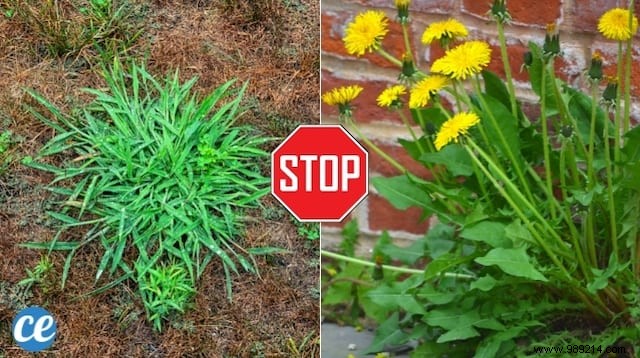
Armed with these identification photos and proven techniques, you can banish these weeds from your garden, lawn, or veggie patch. For other invasives, natural options like white vinegar or baking soda are effective weedkillers—safe for the environment and your health. No chemicals needed.
