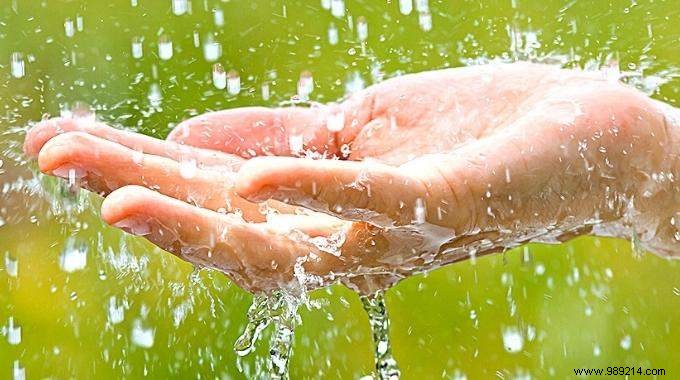
What can you do with collected rainwater? As a seasoned gardener's tip-sharing friend taught me, it's a free, eco-friendly resource perfect for gardens, homes, and everyday tasks.
Don't let this precious commodity go to waste. Here are 8 proven uses for rainwater to lower your water bills. Watch how:
 Contents
 Important note: Rainwater isn't potable. In some areas, it may contain pollutants, so its use is regulated for safety.
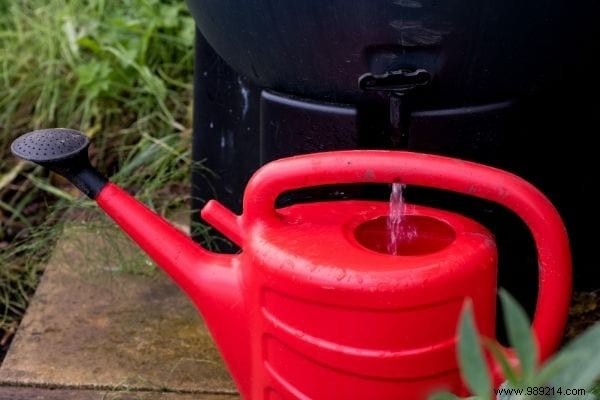
The most popular use: Collect rainwater via gutters to irrigate home-grown fruits, veggies, flowers, potted plants, or orchard trees. It's often purer than tap water, saving gallons—especially for larger gardens.
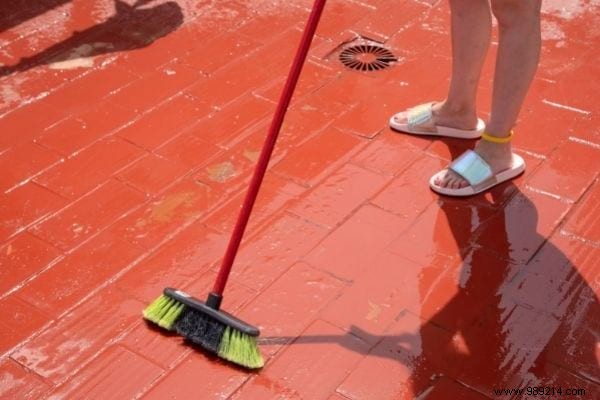
Skip wasting potable water on patios or balconies. Fill a basin from your collector and scrub slabs for free. Use it in a high-pressure sprayer too, and rinse garden tools while you're at it.

Perfect for car washing without guzzling drinking water. Wet, scrub, and rinse the bodywork—simple and effective.
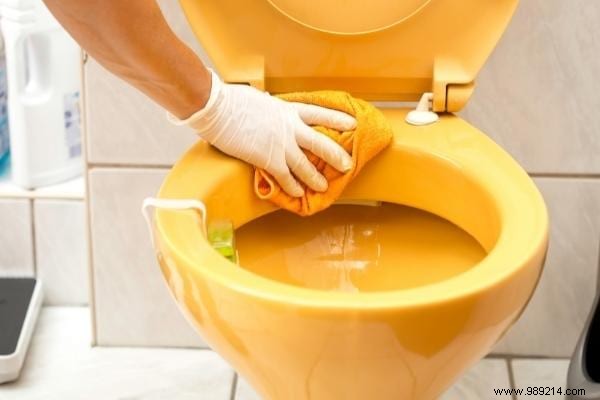
For indoor or outdoor toilets, rainwater is ideal: pure, free, and demineralized to prevent limescale and stains.
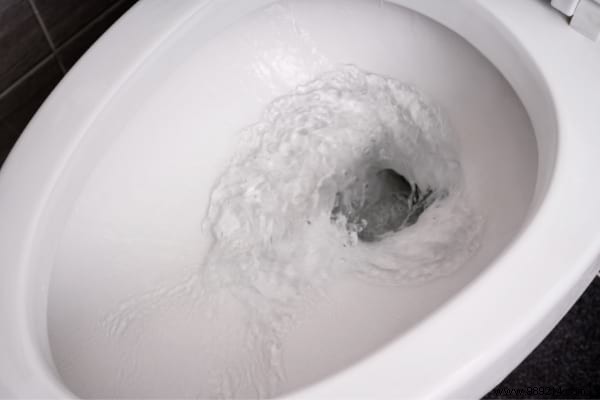
Connect your tank to the collector or use a bucket post-flush. It's a smart way to conserve water worldwide.

Scoop rainwater into a basin (warm it if needed) and mop floors with your regular cleaner.
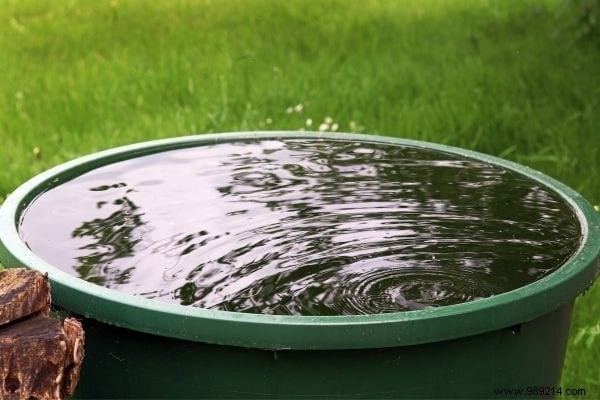
Safe for fish, amphibians, and plants in garden ponds or wash houses. Avoid unfiltered aquariums. For pools, treat to balance pH first.
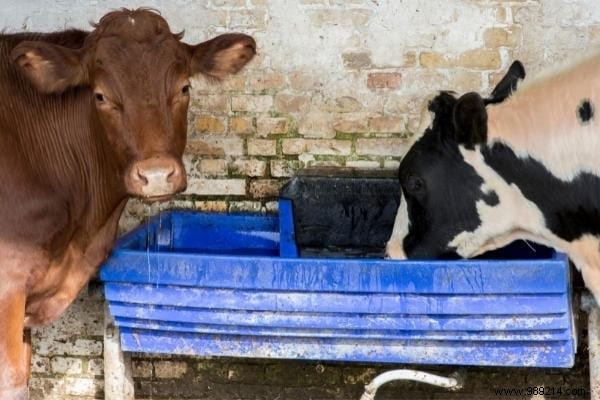
Chickens, goats, horses, pets—connect troughs to your collector. Monitor for bacteria to keep animals healthy and bills low.
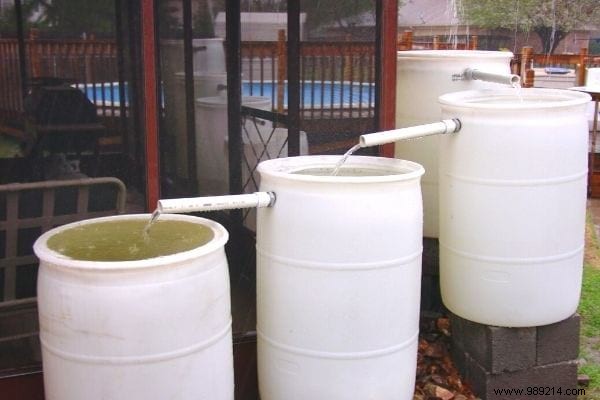
Regulated but straightforward: Size tanks appropriately (e.g., 300L for flushes). Place on stable, shaded ground. Connect to roof gutters (steeper roofs yield more). Cover to block debris and insects.
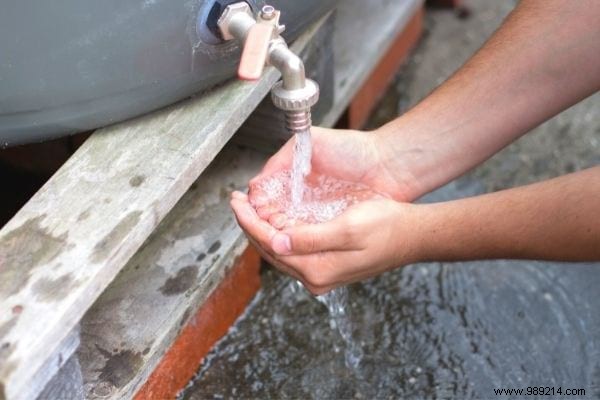
If linked to public sewers, declare to your town hall. Annual maintenance: disinfect tank, clean filters.
In France, treat it for drinking, showering, or dishes: Stabilize pH, add reverse osmosis with carbon filters and pump.
