
Struggling with weeds in your garden or vegetable patch?
As a seasoned forager and home cook, I've transformed these invaders into free, flavorful meals for years.
These plants offer real nutritional value and can finally serve a purpose right in your kitchen.
Trust me, after trying these recipes, you'll see them in a whole new light—they're far from worthless.
Even better, skip the backaches from weeding or harsh chemicals.
Simply learn to harvest and cook them. Here are 10 garden weeds everyone should know how to cook. Watch:

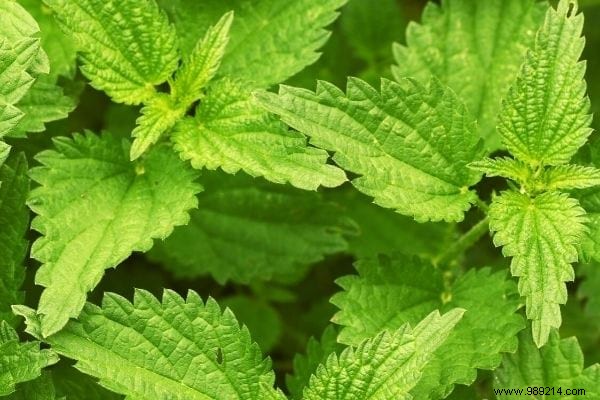
One of the most recognized and versatile edible weeds.
Why? Nettles are a nutritional powerhouse, loaded with vitamins A and C, plus minerals like calcium, potassium, and iron.
Prepare them in soups, pies, quiches, pesto, or even ravioli—they shine in any dish.

This cheerful spring flower is entirely edible—from stems and leaves to buds and blooms.
Everything in the dandelion is edible. Sauté buds into omelets, toss young leaves in salads, or blend into soups and quiche fillings. Note the bold flavor.
Flowers make exquisite honey or jelly substitutes. It's a chef favorite for good reason, packed with health perks.
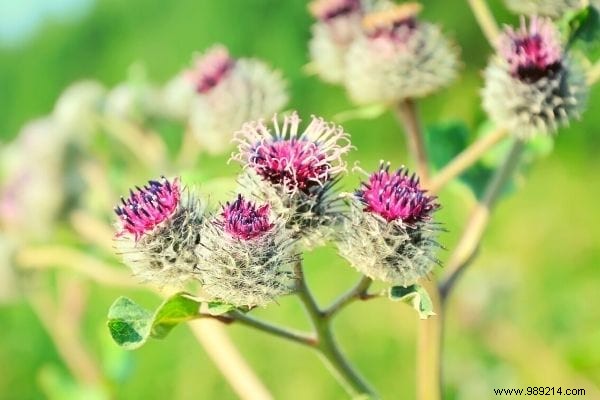
Resembling thistle but related to artichokes, burdock has a mild, carrot-like taste.
Like its cousin, it's ideal for liver detox and skin health.
Eat raw or cooked—blanch leaves twice to tame bitterness. Tender stalks are perfect raw in salads with sesame or soy dressing.

A common garden find with blue-purple flowers and watercress tang.
Rich in vitamin C—three times more than lemon—it's great for anemia.
All parts are edible, but mix its potent flavor into salads, pesto, soups, or vinaigrettes.

These delicate spring whites are edible and beautiful on the plate.
Young leaves and stems work in salads, steamed, or boiled with olive oil. Use as quiche filling or in fromage blanc.

Not clover despite looks, this "wild sorrel" delivers lemony zest to salads, omelets, or mashed potatoes.
Chop over steamed veggies for zing, or brew as digestive tea.

Celebrated since antiquity for its stimulating effects, akin to absinthe.
Brew into digestive teas, flavor beers, or add to salads, puff pastry, or roast sauces.

This prolific invader is a culinary gem.
Thrives in salads; explore more recipes for its succulent leaves.
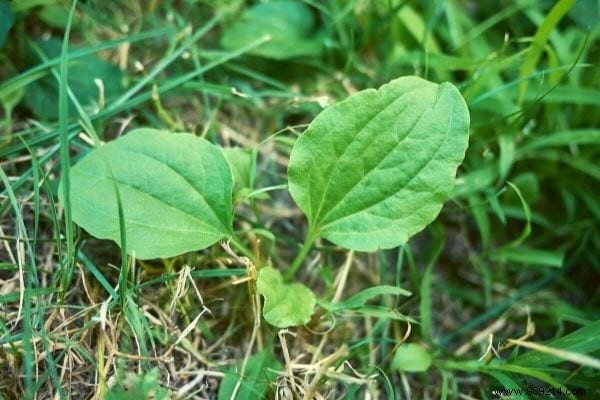
Ubiquitous and virtuous, plantain grows effortlessly everywhere.
Cook in salads, soups, ravioli fillings, or like spinach.
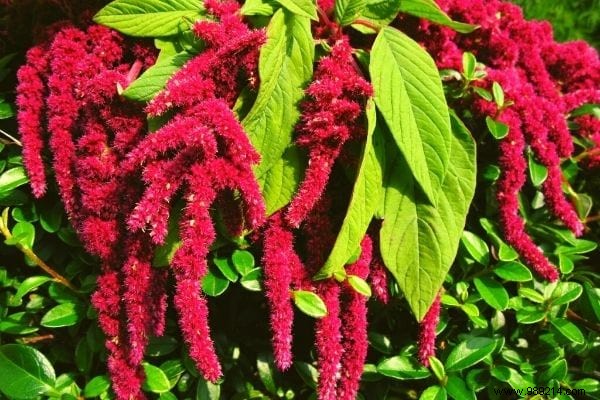
Or "foxtail," common in untended plots.
Leaves cook like spinach; harvest seeds to boil like rice or pop like cereal.