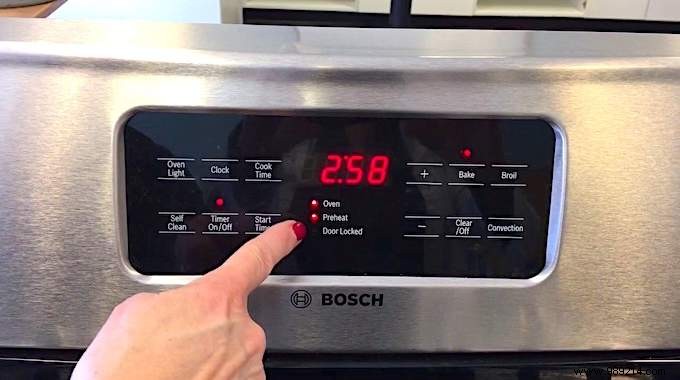
Do you really need to preheat your oven before baking? Recipes often call for it, but is it always worth the extra energy cost?
This is a common question, especially with rising energy bills. The short answer: it depends on what you're cooking. We'll break it down clearly based on proven culinary techniques.
 Contents
 Planning to roast chicken, turkey, or capon? Start with a cold oven. Poultry's delicate flesh doesn't handle high initial heat well.
Avoiding thermal shock prevents the meat from drying out. The fat melts gradually, keeping the flesh moist and tender.
Cook at 150°C, allowing 1 hour per kilogram. A 1 kg chicken takes 1 hour; a 3 kg capon needs 3 hours.
For crispy skin, raise to 200°C for the final 10 minutes. Always let poultry sit out for 1 hour before cooking.
To discover: How to Brown a Chicken in the Oven?
Red meats like beef, pork, or lamb benefit from searing. Preheat to 200°C to lock in juices and enhance flavors.
Vegetables follow the same rule—preheat the oven and the baking tray. They'll stay crisp outside while tender inside with a drizzle of olive oil.
To discover: How Long Should You Bake Vegetables? The Essential Guide!

It varies. For rising pastries like brioche, madeleines, bread, pizza, or macarons, preheat to 180-200°C. Heat activates yeast for a light, fluffy texture.
Pies and quiches? Preheat if possible, but position on the bottom rack for even cooking—the crust crisps while the filling stays soft.
Chocolate cakes can go in cold; no preheating needed.
To discover: Does your pie shell remain soft? The Trick For A Crispy Pie Every Time.
Preheating uses energy, so keep it short: 10 minutes is plenty. Turn off 10-15 minutes early for long cooks to use residual heat.
Oven use accounts for 14% of household electricity. Preheat only when needed to avoid waste.
Cook during off-peak hours. Mini-ovens save 30% energy; opt for A-rated models (€25/year vs. €47 for C-rated).
Gas ovens are cheaper. Avoid peeking (loses heat), propping the door open, or using self-clean (1 kWh ≈ €0.11). Thaw food elsewhere, and clean with baking soda instead.
No disaster—just add 10-15 minutes to cooking time. Your dish will still turn out great.
