As an energy efficiency expert with years of analyzing household consumption data, I've identified the appliances that drive up your electricity bill the most. With rising energy costs, understanding these power-hungry devices is key to meaningful savings.
To reduce your bill effectively, focus on the biggest consumers. Here's a detailed breakdown backed by real-world usage stats, plus proven strategies to optimize efficiency. Watch for practical tips ahead:
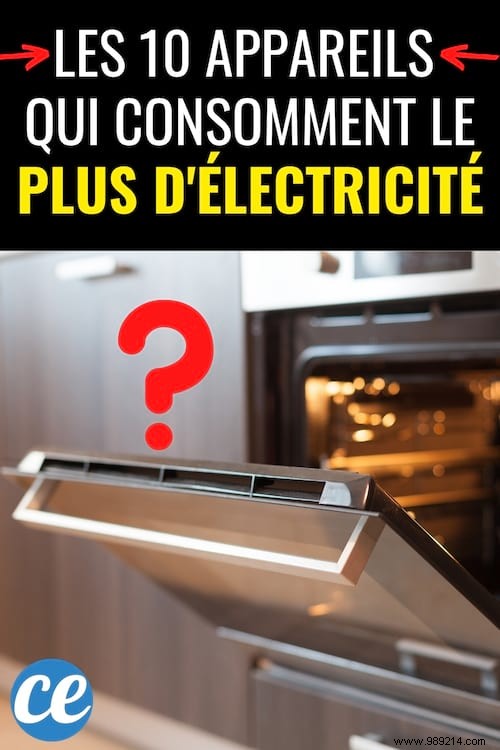
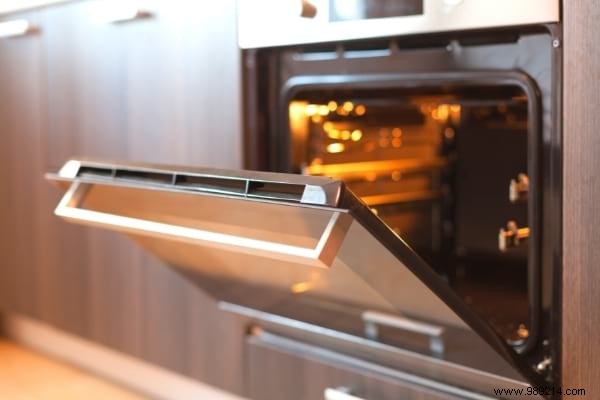
The oven tops the list as the biggest electricity drain in most homes. On average, it consumes 1000 kWh annually, equating to about €180.
Modern convection ovens or hybrid oven-microwave models significantly reduce this. Simple habit: Avoid opening the door frequently during cooking to retain heat.
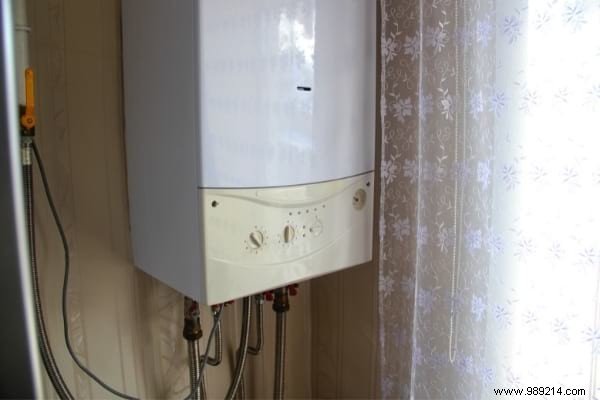
Nearly half of households rely on electric heating, with radiators averaging 1000 kWh per year (€180). Water heaters add about 800 kWh (€152).
These vary by home size, insulation, and habits. Key savings: Opt for showers over baths to conserve water and energy; insulate well and use a programmable thermostat. Lowering the temperature a few degrees at night helps substantially. A hot water bottle is a low-cost alternative for bedtime warmth.
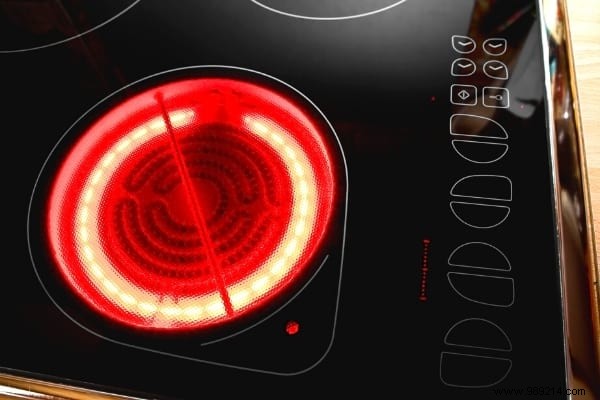
Hobs cost €90–180 yearly (500–1000 kWh). Premium models cut this by up to three times.
Best practices: Match pan size to burner diameter; switch off one minute before cooking ends; always cover pots when boiling—saving up to 75% on energy for water.
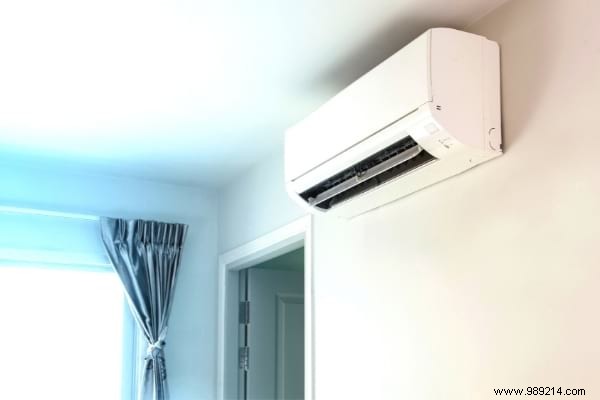
Air conditioners offer summer comfort but guzzle 500–1000 kWh (€90–180) annually. During peaks, block heat with closed windows, shutters, and curtains. Ventilate at night for natural cooling—often eliminating the need entirely.
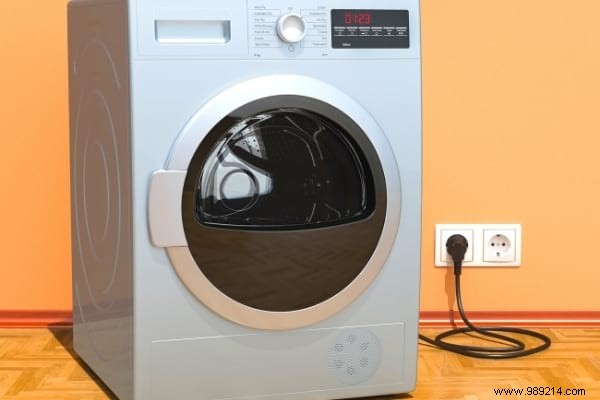
Tumble dryers average 350 kWh (€65) yearly. A+++ rated condensing models with humidity sensors divide usage by three.
Spin clothes thoroughly post-wash and air-dry outdoors when possible for maximum savings and fabric longevity.
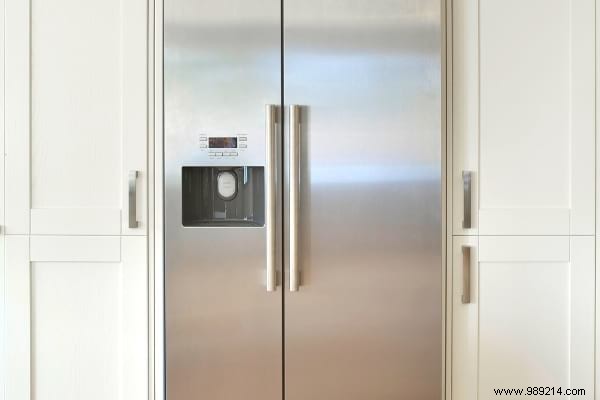
Older fridges use 250–500 kWh (€45–90); newer ones 125–250 kWh (€24–45). American-style models double to 640 kWh (€121).
Maintain efficiency by cleaning the rear coils regularly and avoiding direct sun or heat sources.
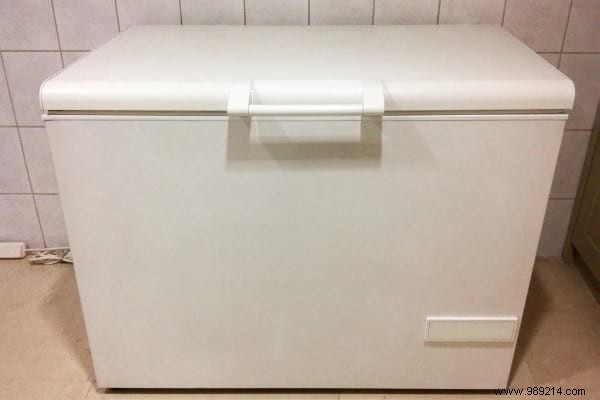
Standalone freezers average 340 kWh yearly, though top models drop to 140 kWh (€26). Position away from heat for optimal performance.
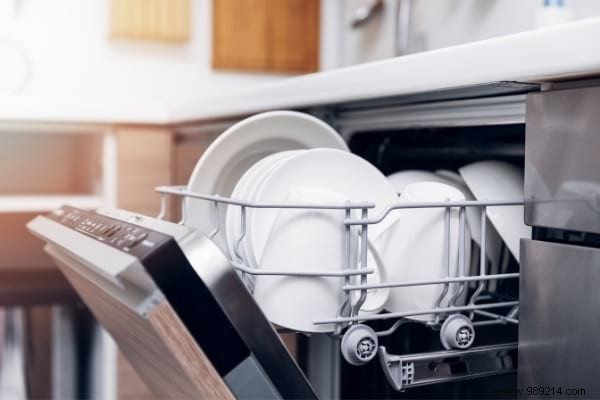
Dishwashers consume ~250 kWh (€48) annually but use less water than hand-washing. Run full loads in eco mode and consider homemade tablets for extra savings.

Standby mode on these always-on devices adds 130–200 kWh (€25–38) each yearly. TVs and routers top at ~150 kWh (€30); computers ~100 kWh (€20).
Unplug completely to eliminate ~€80 in standby waste—equivalent to seven bulbs left on year-round.
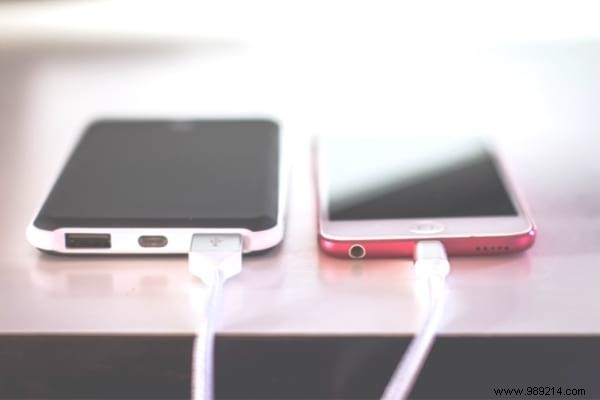
Chargers draw power even post-charge or unconnected—a small individual hit (few euros) but significant collectively. Unplug to minimize waste.
Daily items like halogen lamps (200 kWh, €38), coffee makers/microwaves/consoles (70–130 kWh), toasters/vacuums (20–70 kWh), and printers/fans/shavers (<20 kWh) add up quickly.
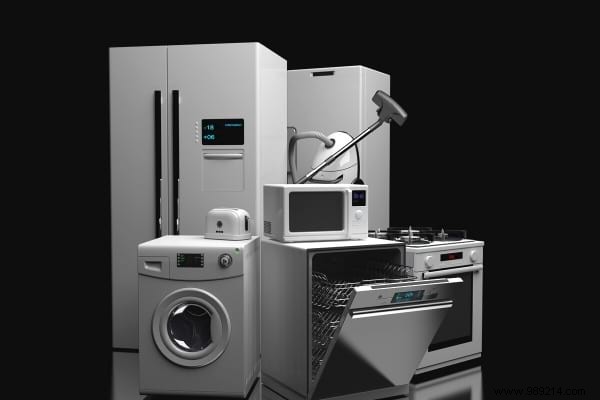
Counterintuitively, least-used appliances like irons (260 kWh, €50) outpace constant ones like routers (200 kWh, €38). Targeted habits yield the biggest returns.
