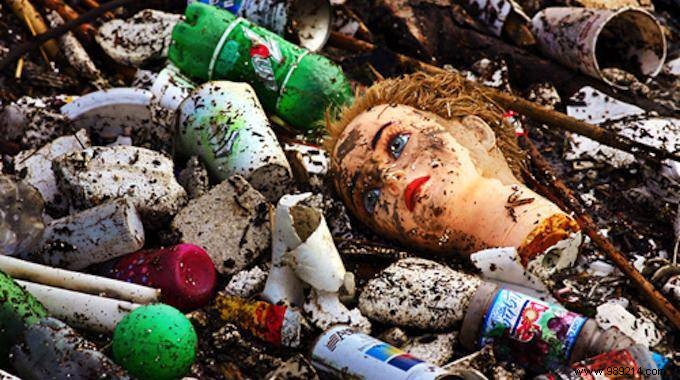
Plastic pollution poses a serious threat to our planet. It's embedded in everyday items—from food packaging and hygiene products to electronics, vehicles, and more.
Plastic debris litters beaches, overflows landfills, clogs rivers, and suffocates oceans. Compounding the issue, most plastics derive from petroleum.
Fortunately, these 16 practical steps can help you cut plastic waste immediately, drawing from proven sustainable practices.
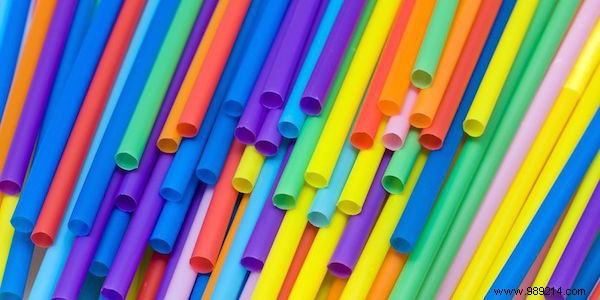
Do you really need a straw? One straightforward way to curb plastic use is politely declining straws with cold drinks. Inform your server upfront.
In drive-thru settings, specify no straw when ordering.
A better option: Reusable straws made of glass or stainless steel work well. Bringing your own signals to staff to skip disposables. We recommend this reusable stainless steel straw.
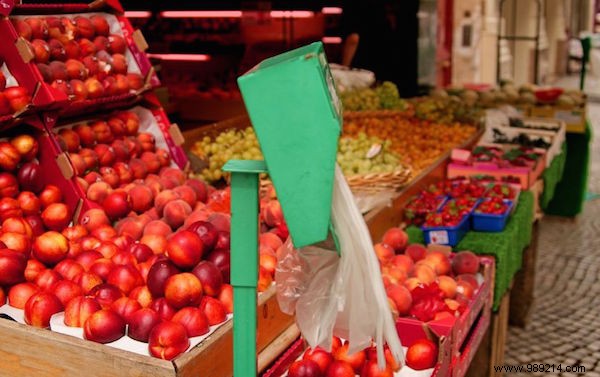
Over 1 million plastic bags are used every minute worldwide, each taking up to 1,000 years to degrade. If you're still relying on them, it's time for a switch.
A better option: Opt for cotton reusable bags over nylon or polyester, which are plastic-derived. The small upfront cost yields big environmental gains. We recommend this organic cotton bag.
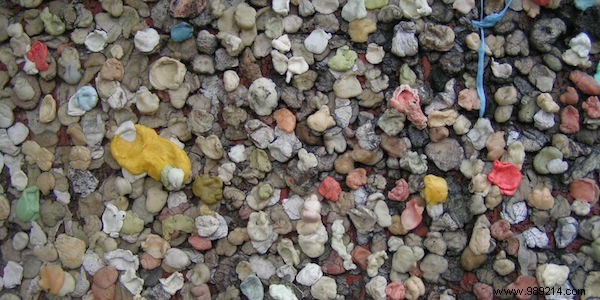
Modern chewing gum often contains plastics like polyethylene and polyvinyl acetate, derived from vinyl acetate—a substance linked to tumors in lab animals. Skip it, along with its plastic wrappers.
A better option: Try our homemade chewing gum recipe.
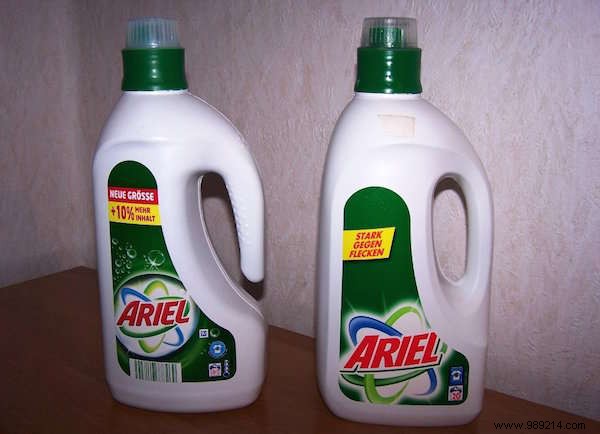
For detergents and dish soaps, select cardboard over plastic bottles. Cardboard recycles more efficiently and into diverse products.
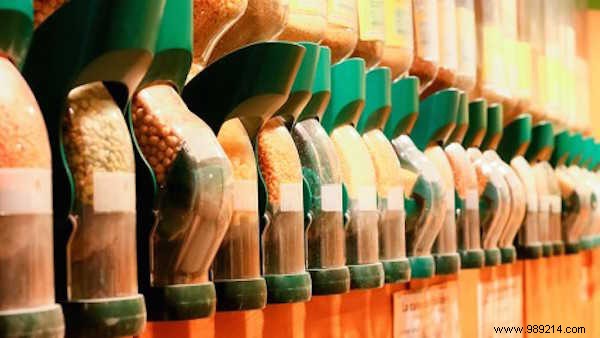
Many stores like Biocoop offer bulk sections for rice, pasta, nuts, and more. Use provided paper bags or your own—staff can tare the weight.
To discover: Buying in Bulk, A Virtuous Gesture for the Wallet (and the Planet).
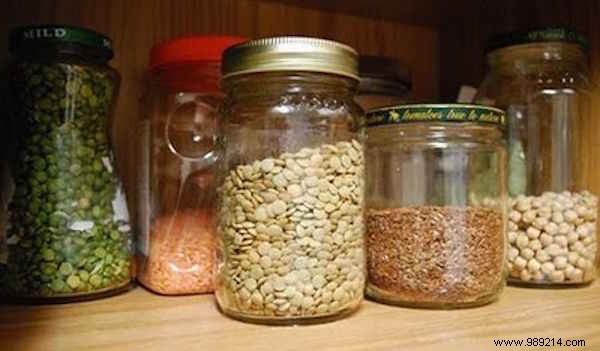
Choose glass for sauces, compotes, and honey. Reuse jars for bulk buys, leftovers, or storage instead of recycling immediately. Clean and repurpose sturdy plastic food boxes too.
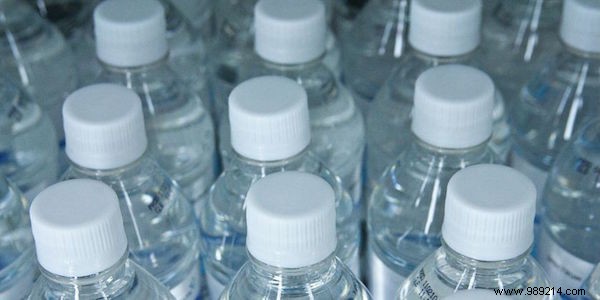
Bottled water generates 1.5 million tons of plastic waste yearly, requiring 177 million liters of oil to produce.
A better option: Fill reusable bottles with tap water—quality is excellent in France. We recommend this one. For filtration, try this water filter. See our article on water filters.
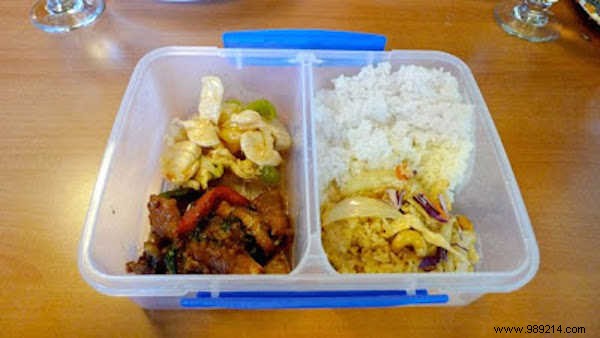
For leftovers or orders, carry a personal container. Most restaurants accommodate this eco-friendly request.
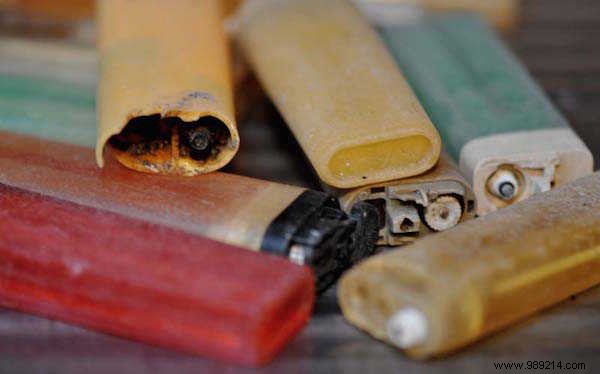
Opt for matches to light candles, stoves, or fires. Disposable lighters persist for years, even harming wildlife.
A better option: Refillable metal lighters cut waste. We recommend this refillable metal lighter.
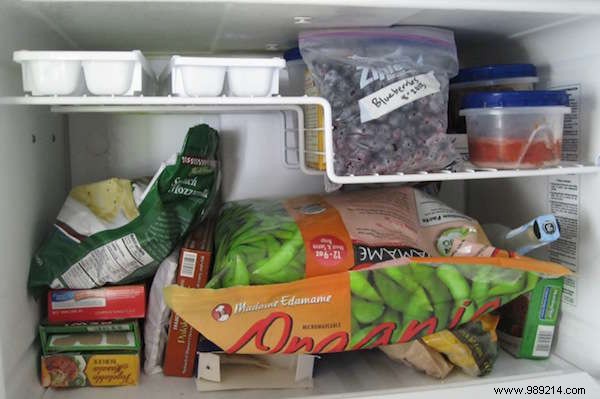
Frozen items often hide plastic linings under cardboard. Cooking fresh reduces packaging, processed foods, and chemical exposure—for planetary and health benefits.
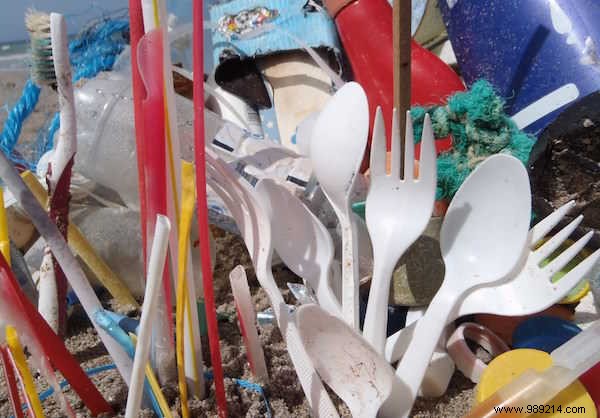
Ditch plastic utensils and plates entirely.
A better option: Pack your own for work lunches or restaurants. Birch wood compostable sets are a solid backup.
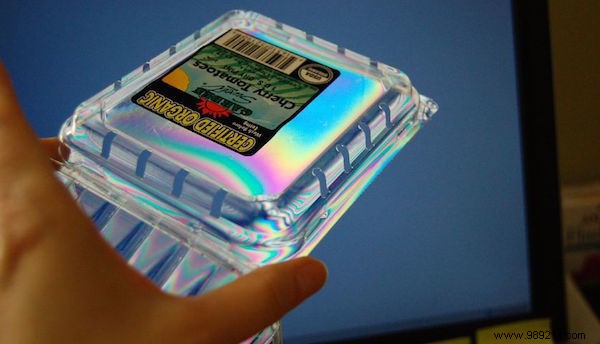
Return plastic trays from berries and tomatoes to markets or supermarkets for reuse.

France produces 3 billion disposable diapers yearly—95 per second—accounting for 351,000 tons of waste, or 40% of household trash for young families.
A better option: Cloth cotton diapers pay off long-term in savings and sustainability. We recommend these washable diapers.
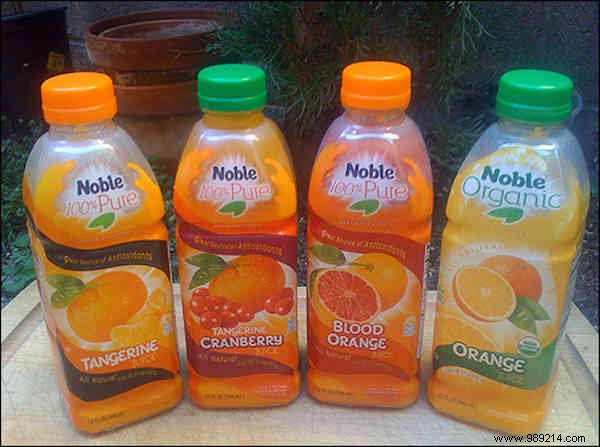
Skip plastic-bottled juices.
A better option: Juice fresh fruit at home or eat whole—richer in nutrients. Choose glass if buying.
Avoid accumulating plastic cleaner bottles.
A better option: Basic ingredients make effective, affordable cleaners:
- Homemade multipurpose cleaner
- Homemade window cleaner
- Homemade floor cleaner
- Homemade toilet cleaner
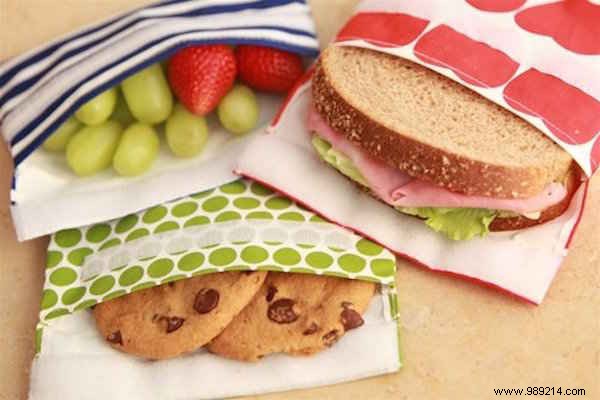
A better option: Use reusable boxes, cloths, or bags for sandwiches—not plastic. Buy whole fruits, larger yogurt pots for portioning into jars.
Claims of recycled plastic packaging can mislead. Bottles recycle into rigid plastic, which isn't recyclable further. Beware greenwashing from big brands.
