
Recycling household waste through chickens offers a practical, eco-friendly way to cut down on peels, scraps, and meal remnants. In four French municipalities, this initiative slashed household waste production by 20-30%, with communities eager to continue the program.
Considering the pollution and high costs of incineration or landfilling, initiatives like this are a welcome advancement in sustainable waste management.
Imagine if every household adopted a few chickens—trash bins could shrink significantly. It's a simple step toward personal responsibility for the environment.
Chicken coops have made a strong comeback in recent years, signaling growing optimism for reducing household waste at home.
Before scaling up community efforts, start at home: adopt chickens to minimize your own waste. A closer look at trash reveals abundant organic matter—leftovers, herbs, leaves, peels—that chickens devour efficiently.
Complement composting or vermicomposting by raising hens. Many households have ample space for a few birds. A single hen consumes around 150 kg of plant-based waste annually, making the math compelling.
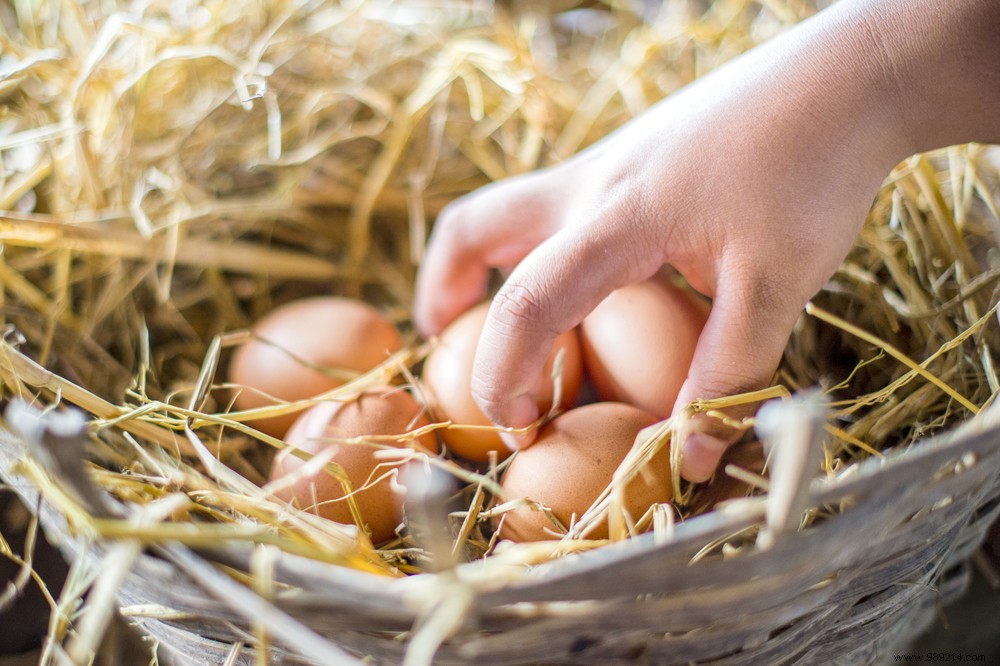
French towns are promoting low-cost hen adoptions through partnerships with local breeders—the key is responsible care. These programs empower residents to foster a healthier planet.
Two hens per household process 12 kg of waste monthly, lightening bins and long-term territorial waste output. Originating in Aquitaine, this model deserves wider adoption.
Even without municipal support, building a chicken coop delivers fresh eggs, home-raised poultry, educational fun for kids, and substantial waste reduction.
From environmental gains to family perks, raising chickens checks every box. Consider it for your home today!
