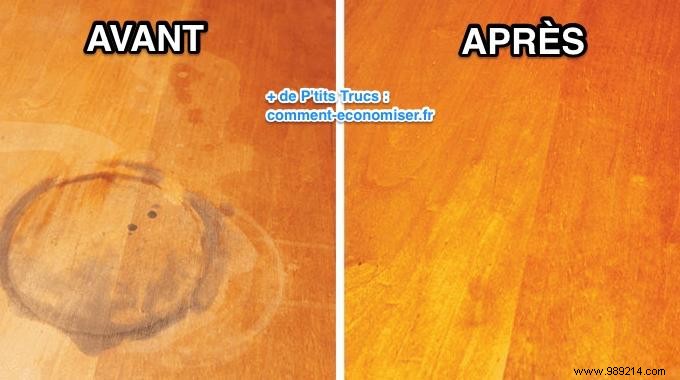
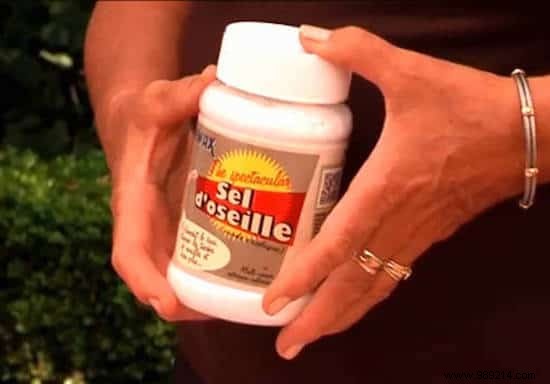
Familiar with sorrel salt, also known as oxalic acid? This time-tested stain remover, recognized since the 18th century, derives naturally from plants like rhubarb. Renowned for rust removal, it excels in deep-cleaning surfaces, whitening wood, and more.
Discover four under-the-radar applications backed by professional restorers and cleaners:
 Contents
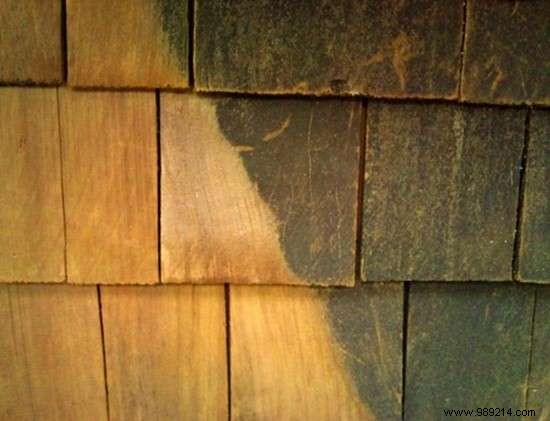
Oxalic acid acts as a reliable bleaching agent for wood, stone, and leather. Exposed to weather, outdoor wood often grays. Apply sorrel salt to faded surfaces like old floors to restore their original hue—a technique pros use in refinishing.
Furniture makers rely on it to lighten stained spots, and it's common in preparations for recoloring aged wooden floors.
Overall, it's a trusted natural alternative to commercial wood bleaches.
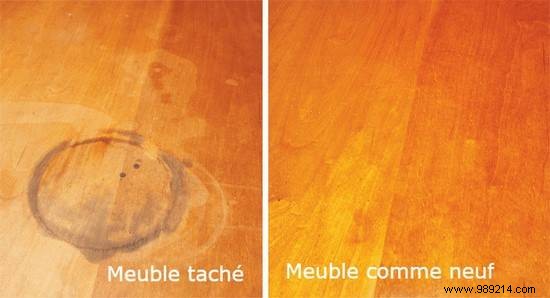
Sorrel salt effectively eradicates ink and food stains, plus many others on wood, stone, linoleum, brick, vinyl, and granite.
This mild formula dissolves stains without harming surfaces.
Steer clear of vitrified floors, where it could etch the varnish. It also cleans linen and cotton fabrics, though results may take longer.
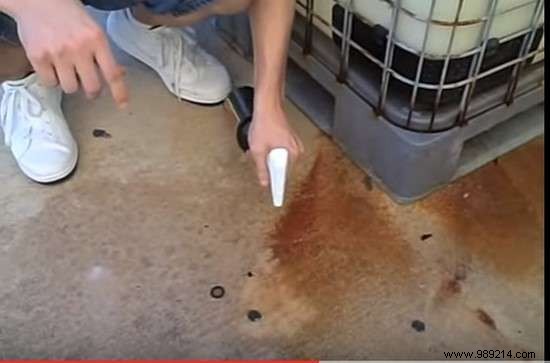
Oxalic acid shines at rust removal from plumbing pipes, kitchen counters, concrete, and even plastic.
That's why it's a staple in commercial rust removers for sinks, bathtubs, and metal fixtures.
Beyond bleaching, stain, and rust removal, sorrel salt sensitizes old photographic films during development, treats wastewater to eliminate limescale, and serves as an abrasive for sanding marble.
Safe in moderation, pure oxalic acid is toxic and corrosive—handle with care. Wear latex gloves, protective goggles, and a dust mask when mixing powder with water.
Work in a well-ventilated area, ideally outdoors, to avoid skin contact, eye irritation, or inhalation risks.
Convinced? We recommend this oxalic acid powder here. It's also available in powder form at DIY stores.
