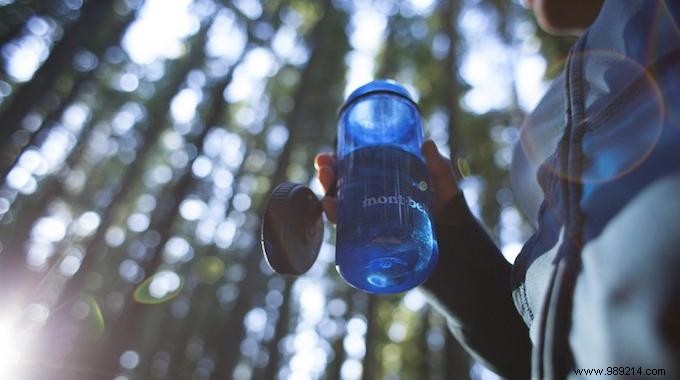
Reusable water bottles offer endless refills, unlike single-use plastic bottles from the store. See our article on the topic here.
You can fill them with any beverage as often as needed. However, over time, they can become a breeding ground for bacteria, which thrive in moist, dark environments.
 Contents
 Regular cleaning is crucial to maintain hygiene in your water bottle. Ideally, wash after every use for pristine condition, but weekly deep cleans ensure safety based on expert hygiene guidelines.
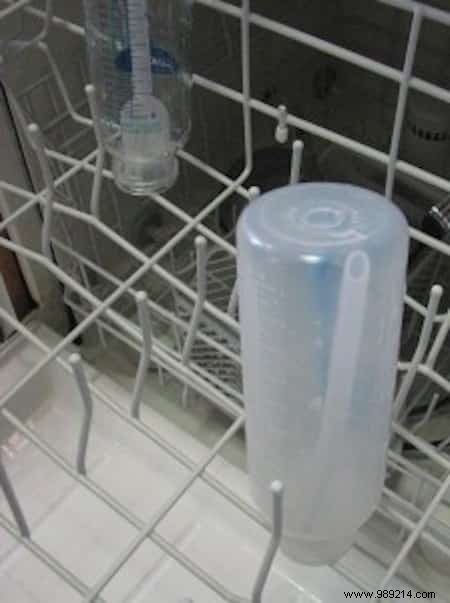
Most aluminum water bottles are dishwasher-safe—confirm on the base or manufacturer's site. Stainless steel and glass models handle dishwashers well too. Plastic ones are less common, so verify first. For a reliable dishwasher-safe option, try this one.
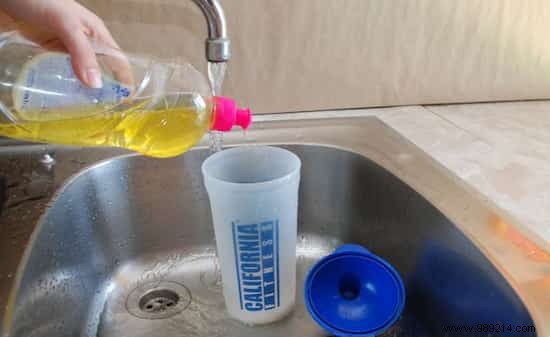
Empty remnants, add hot water and a few drops of dish soap. Cap and shake for 1-2 minutes. Use a bottle brush—like this one—for narrow necks and thorough scrubbing. Clean the lid and straw separately (details here), then air-dry overnight. This versatile method suits all bottle types.
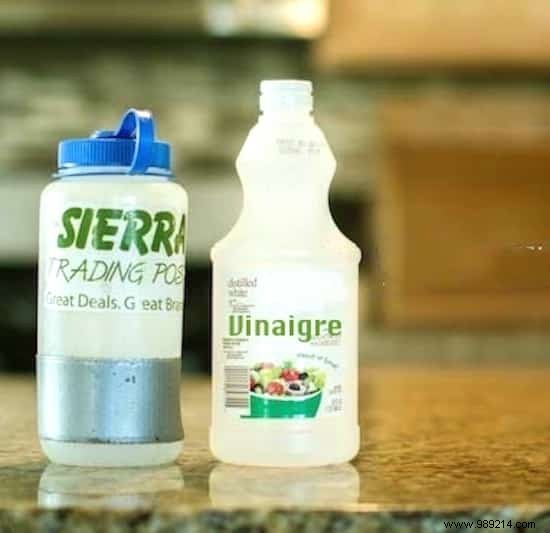
A natural powerhouse for killing germs, white vinegar excels at deep-cleaning water bottles. First, wash with soap and rinse. Fill 1/5 with vinegar, top with water, let sit overnight, then rinse thoroughly. Note: It may not eliminate all viruses like flu.
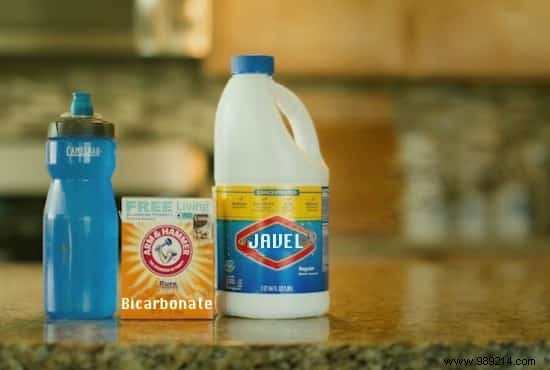
For neglected bottles with mold or odors, a mild bleach solution revives them safely. Mix 1 tsp bleach and 1 tsp baking soda in 1 liter cold water. Fill, cap, shake, and soak for hours. Rinse multiple times and air-dry fully. Use sparingly, like every 6 months—no health risks when diluted properly.
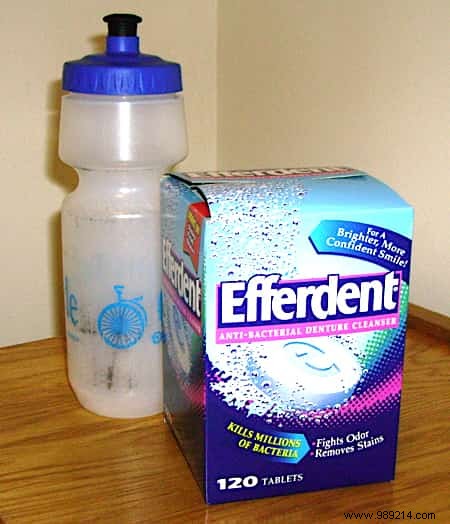
Bottle brands offer dedicated tablets—like these—or denture cleaners like Steradent work too. Add to warm water, dissolve 15-30 minutes per instructions, rinse, and dry.
Avoid staining liquids like soup in plastic bottles, as residues cling. Use these methods for thorough removal.
For durable, safe options: Sigg like this, Nalgene like this, CamelBak like this, Klean Kanteen like this. Effective for military canteens too.
