Heading out on vacation? Don't let your houseplants suffer from neglect. As a horticulturist with years of experience caring for indoor greenery, I've tested these reliable methods to ensure your plants stay hydrated without hiring help or buying pricey self-watering pots.
These 15 straightforward, budget-friendly solutions work for weekends away or extended trips up to two weeks. Discover how to keep your plants thriving effortlessly.
15 Easy and Effective Tips for Watering Plants While Away:
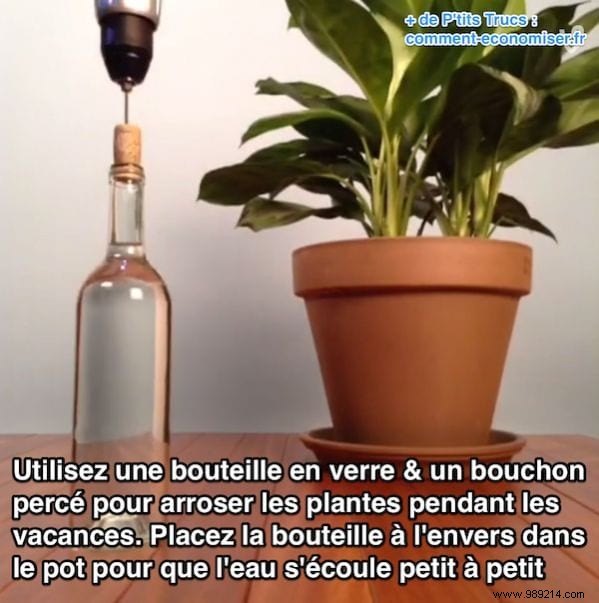
1. Select a glass bottle and a cork stopper.
2. Drill a small hole through the cork.
3. Fill the bottle with water and seal it with the pierced cork.
4. Invert the bottle and insert it into the soil; water will drip slowly as needed.
This acts like a reliable plant waterer. I've relied on it for years with great results.
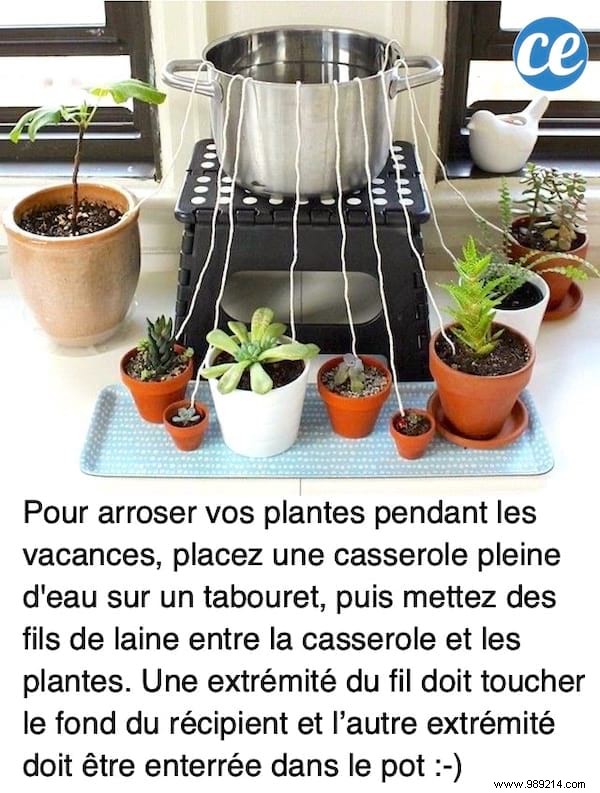
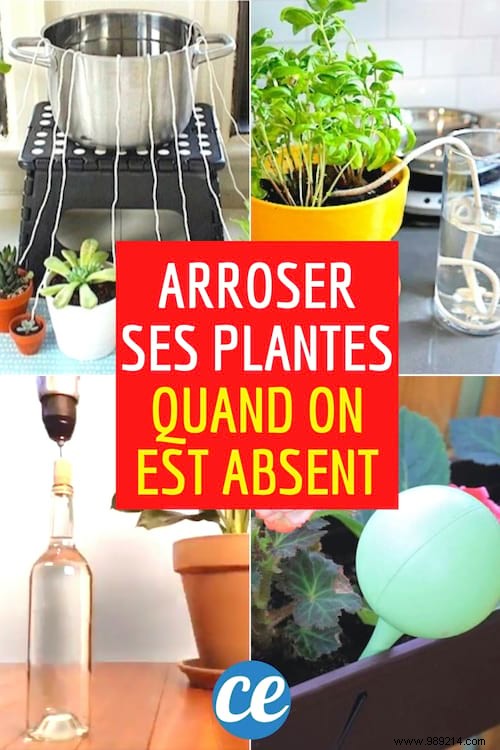
- Large pan or bowl
- Stool or step ladder
- Cotton yarn
1. Fill the pan with water.
2. Elevate it on the stool.
3. Position plants around the base.
4. Cut yarn into long pieces.
5. Soak the yarn.
6. Place one end in the pan.
7. Bury the other end 2 cm into each pot's soil.
Ideal for small pots; wicks moisture effectively via capillary action.
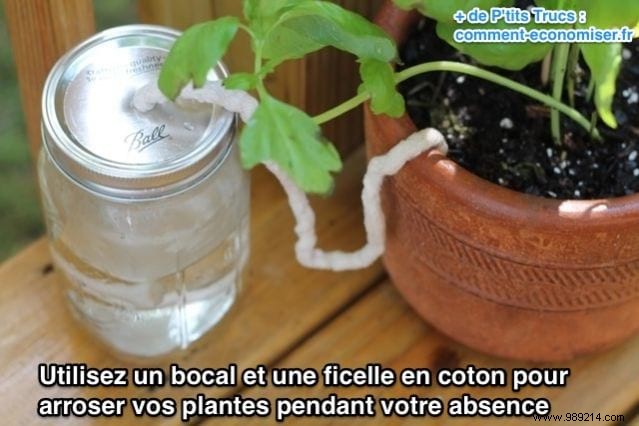
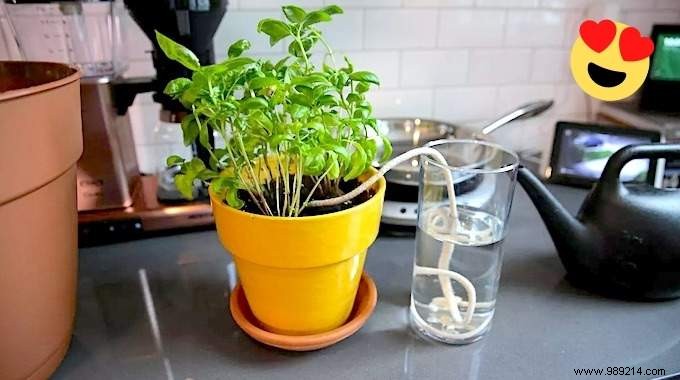
- Jar with lid
- Cotton string
1. Fill jar with water.
2. Drill a hole in the lid for the string.
3. Thread string through and seal.
4. Insert the other end into the soil.
Perfect for small pots.
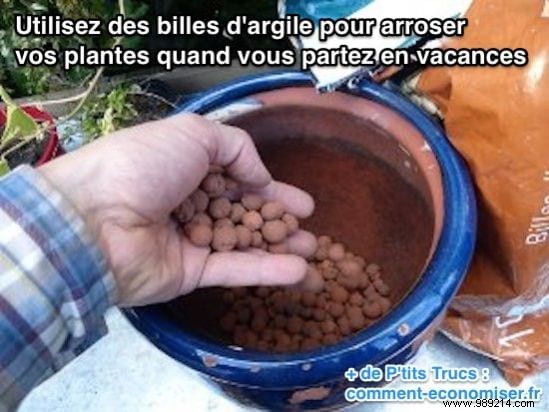
1. Layer clay pebbles at pot bottom.
2. Add soil on top; sprinkle more on surface if desired.
3. Set pot on a saucer with pebbles.
4. Water thoroughly before leaving.
Pebbles hold and release moisture gradually.
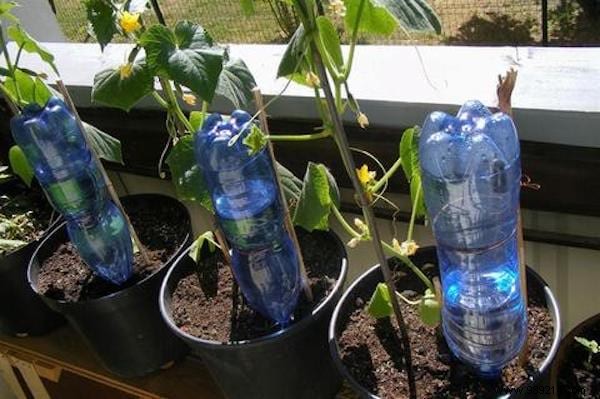
1. Poke a hole in the bottle cap.
2. Fill with water.
3. Push upside down into soil.
Great for larger pots. For precise dripping, use microporous ceramic cones instead of puncturing the cap.
1. Use a 1-5 liter plastic bottle.
2. Make two small holes with a hot needle.
3. Insert toothpicks to regulate flow.
4. Fill and cap.
5. Plant upside down in soil.
6. Poke holes in the base for air.
No need for commercial systems.
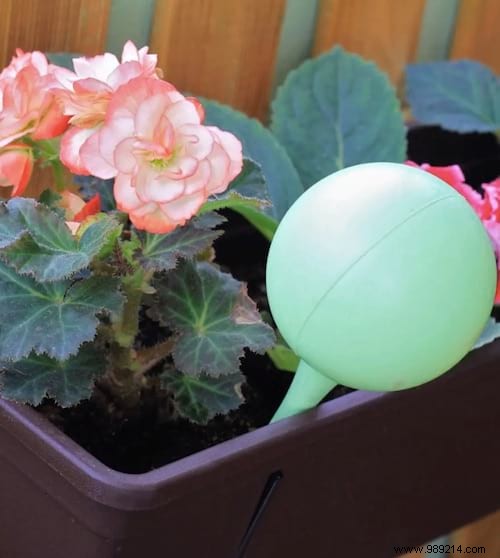
1. Fill globe with water.
2. Insert into soil.
Alternatively, try Oyas—microporous ceramic reservoirs that release water on demand.
Related: How to Make Automatic Tomato Watering From a Bottle.
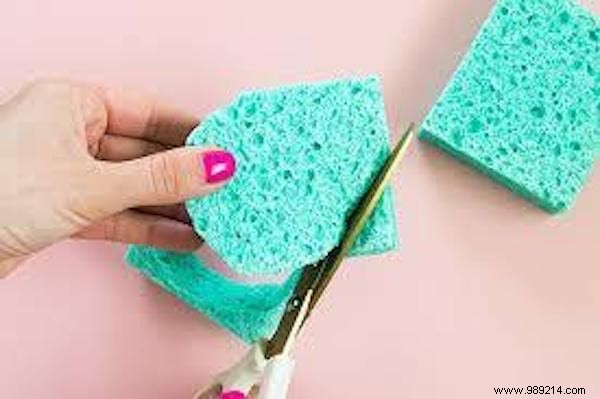
1. Cut sponges into pieces.
2. Soak thoroughly.
3. Bury in soil.
Sponges retain and dispense water as roots need it.
Related: 10 Clever Uses for Sponges.
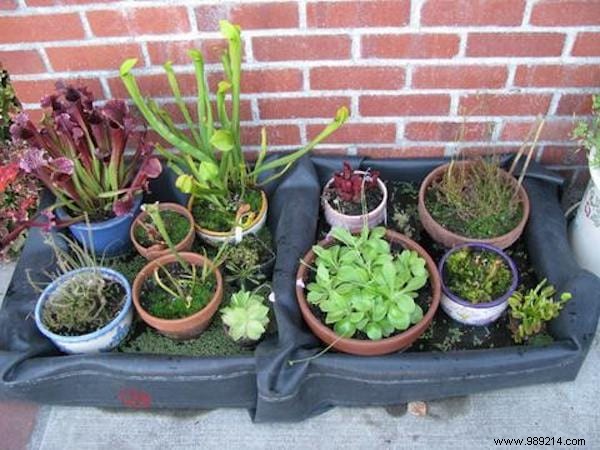
1. Use a large basin for your pots.
2. Line bottom with flat stones.
3. Add water.
4. Place pots on stones.
Best for pots with drainage holes.
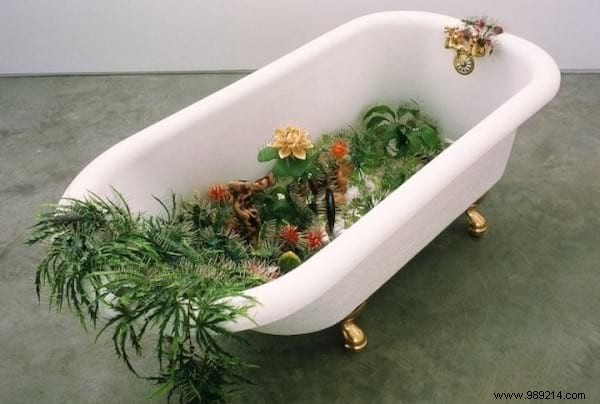
1. Plug the drain.
2. Lay towels or mops on the bottom.
3. Position pots on top.
4. Add shallow water.
Capillary action wicks moisture up—avoid overfilling to prevent root rot.
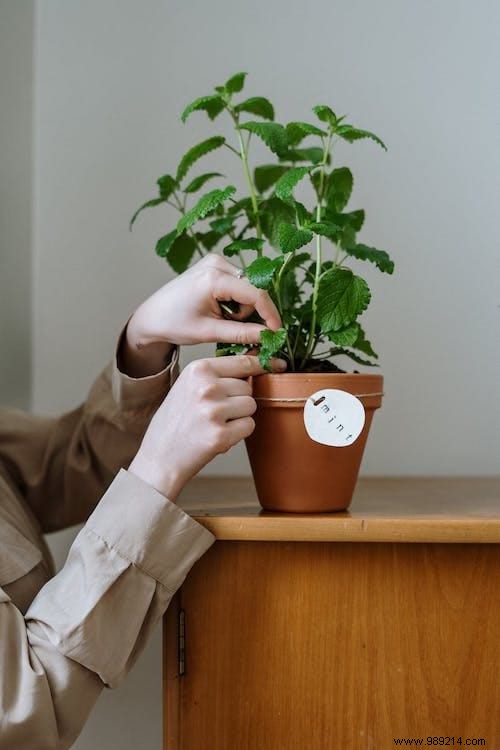
1. Mix gel into soil.
2. Water well before departure.
Gel beads swell with water and release it slowly.
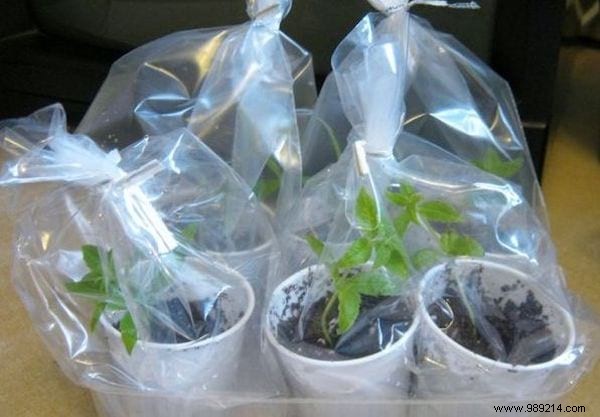
1. Soak a cloth.
2. Place in a large plastic bag.
3. Set plant on cloth.
4. Seal bag.
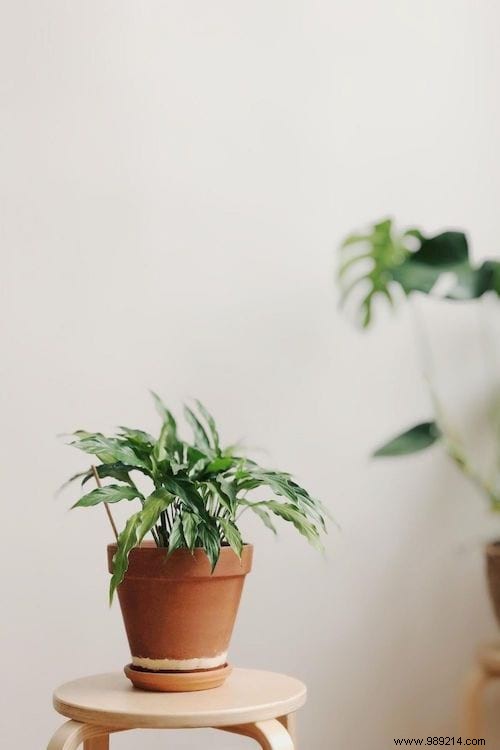
1. Ensure pots have drainage holes.
2. Repot if needed.
3. Place on saucers.
4. Fill saucers with water; add clay pebbles for better retention.
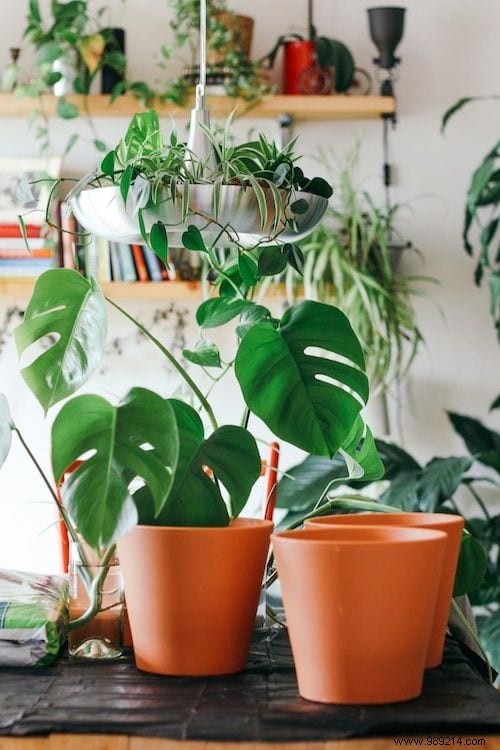
1. Select a cool, shaded room.
2. Gather all plants there.
Boosts humidity naturally; combine with other methods for best results.
1. Choose indirect light area.
2. Move plants there.
Reduces evaporation; suitable for indoor and outdoor plants with ambient light.