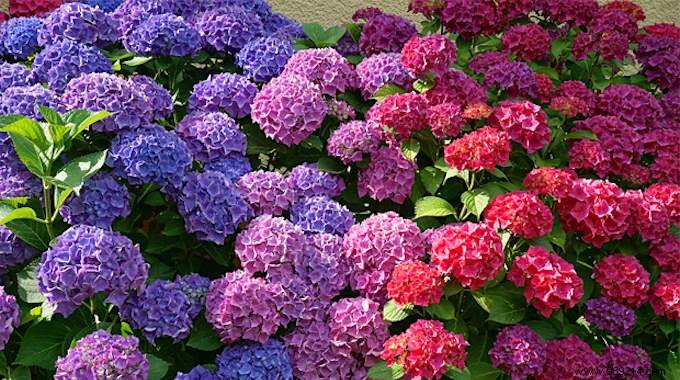
Hydrangeas are stunning flowers resembling oversized pom-poms, capable of displaying vibrant shades of pink, blue, white, or even green.
As seasoned gardeners know, these plants have a remarkable ability to adapt their color based on soil pH levels.
Below a pH of 5.5, flowers turn deep blue. Between 5.5 and 6.5, expect lovely lavender hues. Above 6.5, they shift to pink or red.
With simple adjustments to soil pH, you can reliably control your hydrangea colors.
Expert tip: Use white vinegar for acidity or baking soda for alkalinity. Here's how:
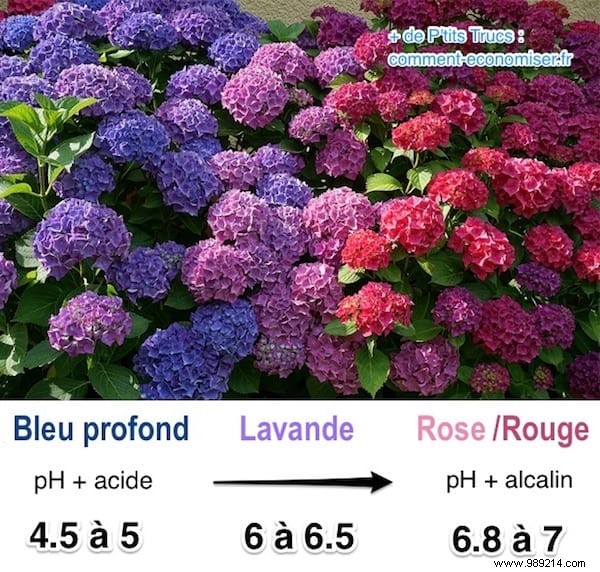
To achieve pink blooms, aim for alkaline soil with a pH above 6.5.
Mix 2 teaspoons of baking soda into your watering can and apply to the hydrangea base once a month.
Over time, this raises soil pH, coaxing out those desirable pink and red tones.
Blue flowers require acidic soil with a pH of 4.5 to 5.0.
Dilute 2 cups (about 500 ml) of white vinegar in 4 liters of water, then water your plants. Scale quantities based on plant size and age—use less for potted varieties.
Next, add crushed slate at the base or bury rusty nails near the roots to enhance the effect.
Commercial aluminum sulfate powder, diluted in water, works similarly but costs more.
White hydrangeas won't turn vivid fuchsia—expect subtle pink edges at most.
Depending on the variety, blues may appear as a soft sheen rather than intense color.
For abundant blooms, maintain pH below 6, but apply changes before flowering begins.
