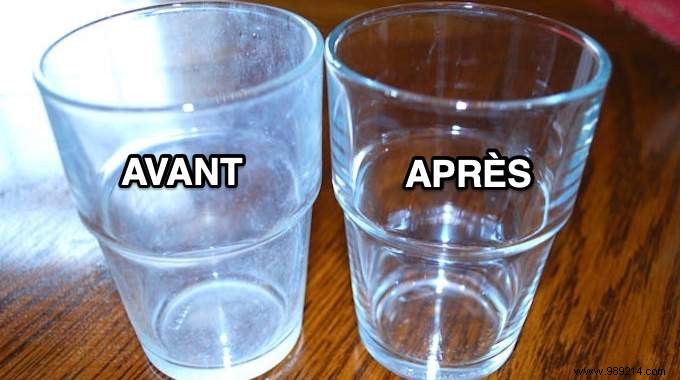
Hard water in my area leaves a stubborn white haze on my glasses after dishwasher cycles, turning them cloudy and opaque over time.
Struggling with the same issue? Wondering how to restore dishwasher-damaged glasses? As someone who's tested countless cleaning methods, I've found a simple, reliable solution using everyday items: white vinegar and baking soda. It's straightforward, effective, and chemical-free.

1. Soak the glasses in a bowl of white vinegar for 30 minutes. Ensure they're fully submerged, turning them occasionally if needed.
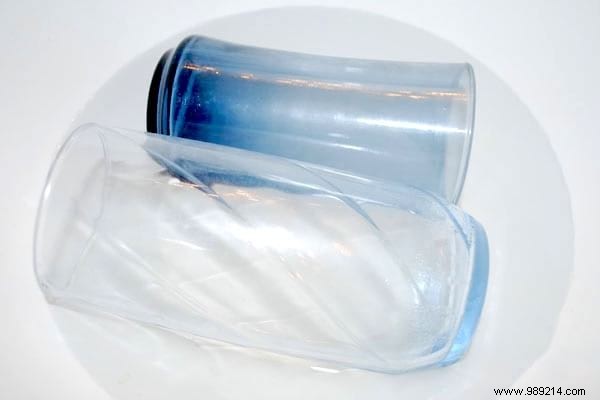
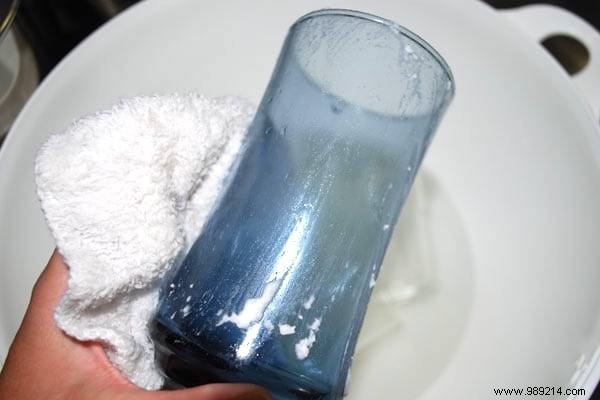
2. Sprinkle baking soda onto a damp sponge.
3. Gently rub the lenses with the sponge to lift the haze.
4. Place the glasses in the dishwasher and run a normal cycle—no rinsing required.
Your glasses will emerge crystal clear, with all white marks gone. This quick, effortless method banishes limescale without harsh chemicals or extra costs.
Repeat every 3 weeks to prevent buildup. It also works on glass carafes, bowls, salad bowls, and vases affected by hard water.
White vinegar's acidity dissolves limescale deposits on the glass surface.
Baking soda's mild abrasion then scrubs away any remaining residue.
This method targets pure limescale haze only. It won't fix etching from dishwasher detergent combined with hard water, which permanently damages glass. In those cases, replacement may be necessary.
