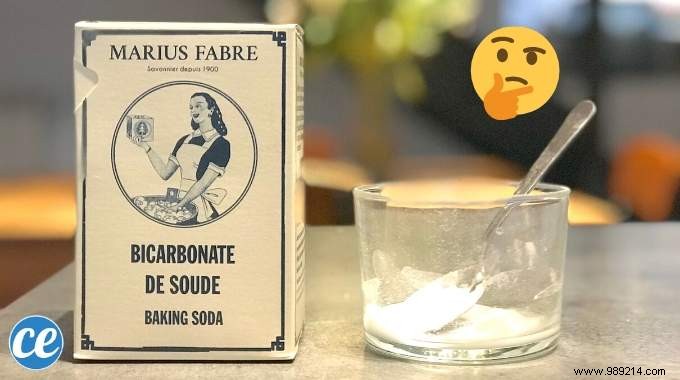
Baking soda is a staple in our home—versatile, natural, and incredibly cost-effective for cleaning and maintenance.
It's perfect for tackling household tasks, but one common question arises: what to do with it after use?
Can you reuse it? The short answer is no. Here's why, based on practical experience and proven cleaning principles.
 Contents
 Fresh baking soda is a powerhouse—absorbing odors, deodorizing, sanitizing, and cleaning effectively.
But once used, it loses these properties as it reacts and becomes saturated.
Unlike white vinegar, which can often be reused (like the vinegar from pickle jars for cleaning—learn how here), baking soda cannot be repurposed the same way.
Options are limited, but here's what works: I personally use small amounts as a mild abrasive scouring powder to scrub stubborn stains on countertops, sinks, or stovetops.
Its gritty texture helps loosen dirt mechanically.
Otherwise, simply discard it in the trash. Rest assured, it's 100% biodegradable and emits negligible CO2—safe for the environment even in large quantities.
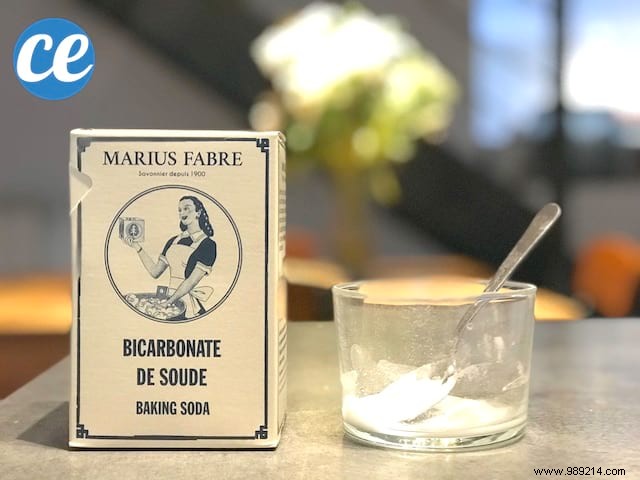
Stored in a cool, dry place, baking soda lasts for years. However, an open box left in the cupboard for too long will gradually lose potency.
To avoid waste, buy in moderate quantities and store properly.
Testing old baking soda is simple: sprinkle some and pour white vinegar over it. If it fizzes and foams, it's still active and ready to use. Details here.
It's widely available at grocery stores, supermarkets, hardware stores, organic shops, and online retailers.
