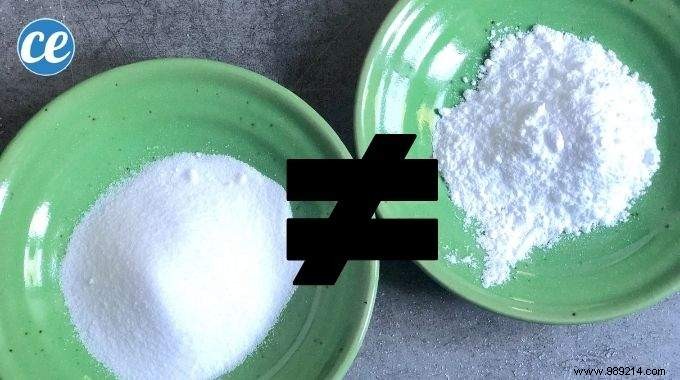
Ever wondered about the difference between baking soda and carbonate of soda (also known as soda ash)?
Baking soda is a versatile, cost-effective natural product with countless household applications, from cleaning to cooking.
But what about soda ash, or sodium carbonate—commonly called soda crystals?
Both are natural white powders with alkaline properties, but their similarities end there.
Here are the key differences between soda ash and baking soda:
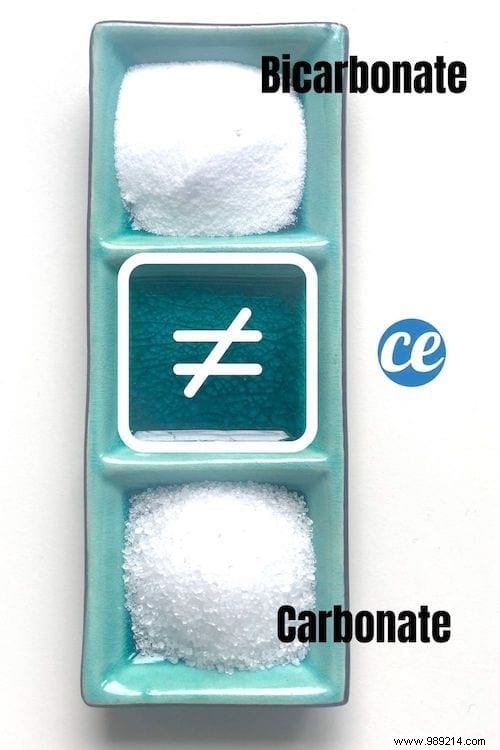
A quick dive into chemistry clarifies the distinction between these two compounds.
Here are their chemical formulas:
- Sodium carbonate (soda crystals): Na2CO3
- Sodium bicarbonate (baking soda): NaHCO3
These different formulas mean the products have distinct properties and applications.
You can easily transform sodium carbonate into baking soda.
Simply add one molecule of water (H2O) and one molecule of carbon dioxide (CO2):
Na2CO3 + H2O + CO2 → 2 NaHCO3
Baking soda shines for whole-home cleaning, gardening, beauty routines, cooking, and even health remedies.
In contrast, soda crystals (sodium carbonate) are not food-grade and should never be ingested.
Handle with gloves—they’re far more corrosive than baking soda.
Soda crystals excel as a heavy-duty cleaner and degreaser, perfect for unclogging pipes and tackling tough toilet stains—think of them as the powerhouse for serious cleaning jobs.
These two are different yet complementary for comprehensive home maintenance.
