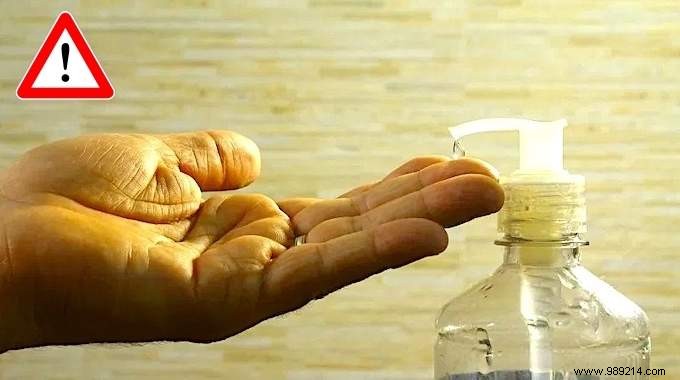
Hand sanitizers have become a cornerstone of COVID-19 prevention. They sold out quickly early in the pandemic, and we reach for them everywhere—from supermarkets and shops to public transport.
These barrier measures are vital, but using hand sanitizer correctly ensures maximum effectiveness. As health experts emphasize, here are 4 common mistakes people make with hand sanitizer:
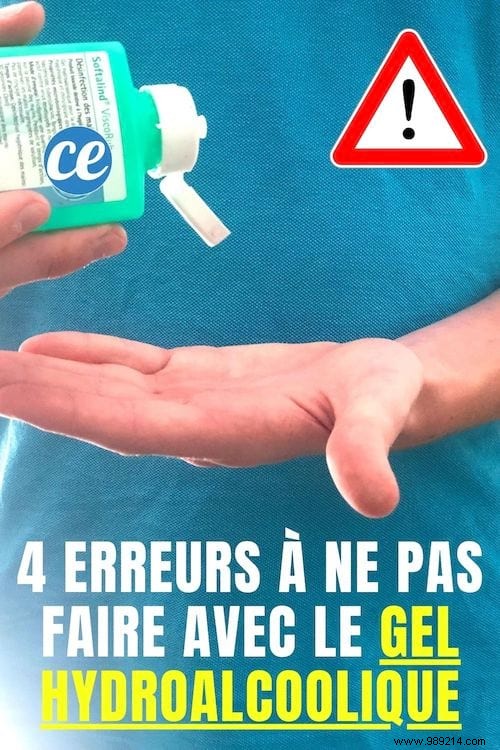
Exactly how much should you apply? Be generous—don't skimp.
The World Health Organization (WHO) recommends enough to fully cover your hands and wrists. It's better to use more than less for proper coverage.
After applying, rub thoroughly. For full effectiveness, continue for at least 30 seconds.
Shorter rubbing leaves viruses and bacteria behind. Cover all areas: palm to palm, backs of hands, between fingers, fingertips, thumbs, and finger pulps—just like soaping up during a handwash.
Related: How to Wash Your Hands Properly to Avoid COVID-19.
Hand sanitizer is perishable once opened and shouldn't be kept longer than 3 months.
Beyond that, its disinfecting power diminishes. Always check the expiration date on the bottle and discard if expired.
Use hand sanitizer on dry skin only for 100% effectiveness.
It relies on alcohol, which dilutes on wet hands and performs poorly against viruses like coronavirus—especially right after washing.
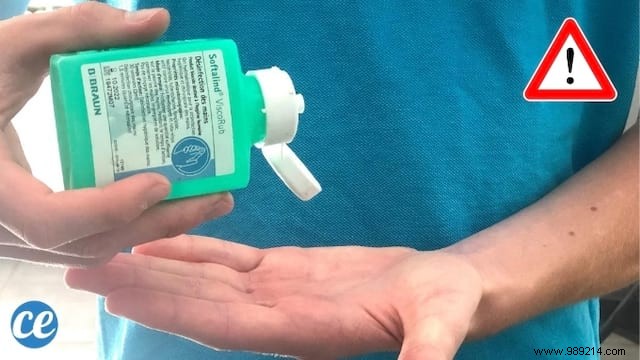
Find it at pharmacies, grocery stores, and supermarkets. For bulk savings, purchase online and refill your portable bottle for on-the-go use.
