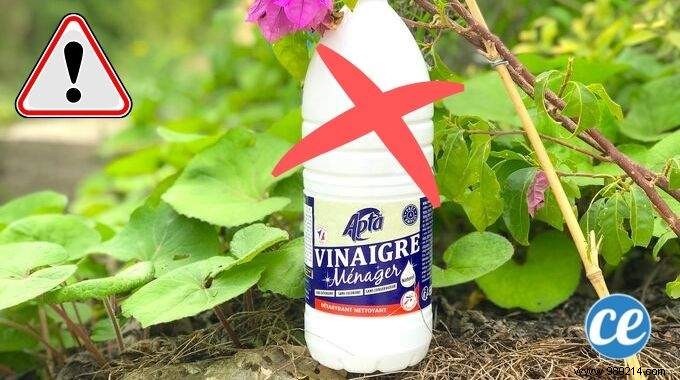
White vinegar is a powerhouse for household cleaning—effective, affordable, and all-natural. It can replace many commercial products for tackling grime around the home. However, it's not suitable for every surface. Here are 3 mistakes everyone makes with white vinegar:
 Contents
 Marble may look sturdy, but it's actually quite delicate. Avoid using white vinegar on yellowed or stained marble surfaces like tables, trinkets, benches, floors, fireplace surrounds, or even cemetery plaques.
Marble is derived from limestone, and vinegar's acidity corrodes limescale—the same reaction can etch, dull, and damage marble's protective sealant. Lemon juice poses the same risk due to its acidity.
For safe marble cleaning, opt for Blanc de Meudon as detailed here.
Received heirloom silverware, pewter figurines, or copper cookware from your grandmother? If they're tarnished, steer clear of white vinegar—it can cause irreversible damage and reduce their value, making them harder to pass on or resell.
Instead, try this safe method to restore your silverware.
White vinegar works wonders on most jewelry, but not pieces with gemstones. Its acidity can dull stones and strip their luster. For pearl necklaces or rings, it's especially harmful—vinegar can dissolve the pearls entirely.
Maintain cultured pearls with a few drops of olive oil on a soft cloth. For silver jewelry, this proven trick shines. On tarnished costume jewelry, lemon offers a gentle alternative as shown here.
