Baking soda is a versatile household essential—affordable, effective, and eco-friendly with countless daily applications.
But it's not the only powerhouse white powder. Soda crystals (also known as washing soda or sodium carbonate) excel at deep degreasing and disinfecting.
What's the real difference between these similar-looking cleaners? We've broken it down based on practical testing and expert knowledge.
 Contents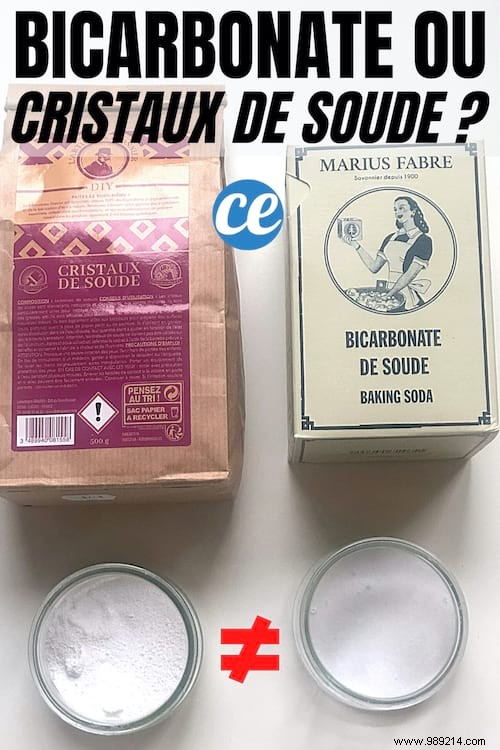
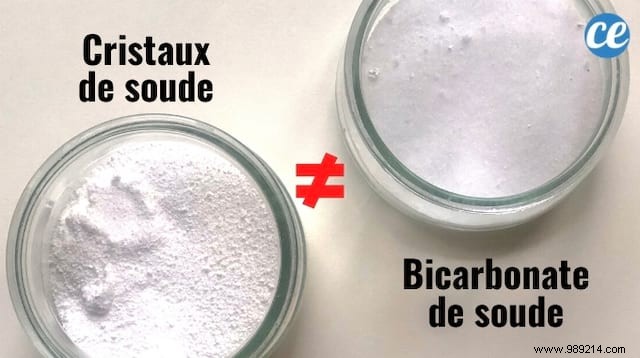
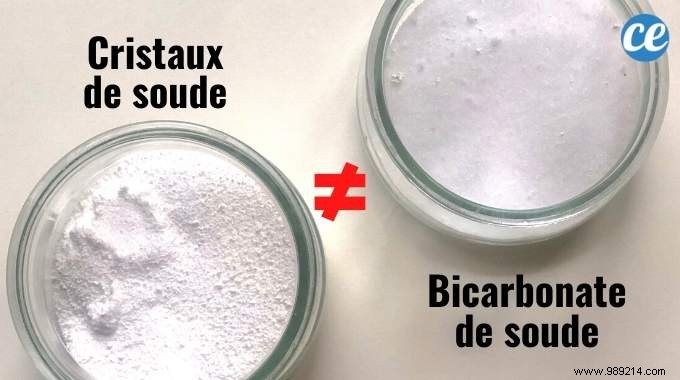
Both are 100% natural products appearing as white grains. Soda crystals form thicker granules, resembling small marbles.
They occur naturally in natron deposits worldwide—from Russia and the Sahara to California and even Mars. Industrially, they're produced from sea salt and chalk, making them inexpensive and environmentally safe.
Interestingly, combining soda crystals with water and carbon dioxide yields baking soda. However, soda crystals are more alkaline and corrosive, offering superior degreasing, cleaning, and disinfecting power—but requiring careful handling.
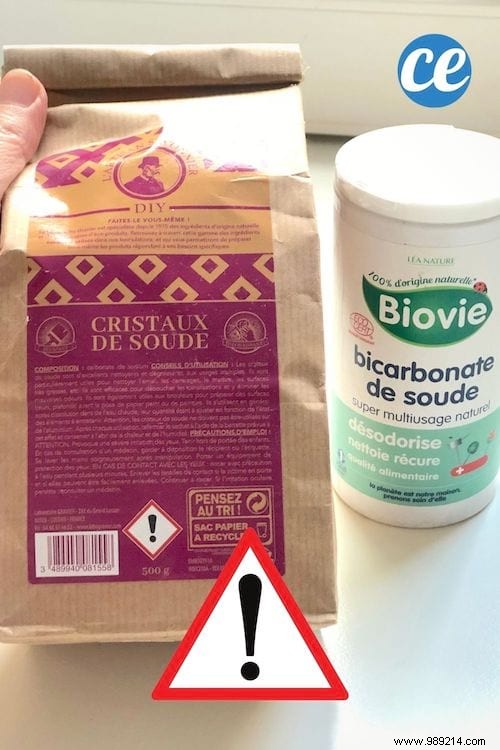
Soda crystals can irritate skin, so always wear rubber gloves during use to prevent discomfort.
Their corrosiveness makes them unsuitable for delicate surfaces like parquet, raw or waxed wood, aluminum, lacquered items, or glass-ceramic cooktops.
Avoid them with fragile fabrics or bright-colored laundry in the wash, as they may cause fading.
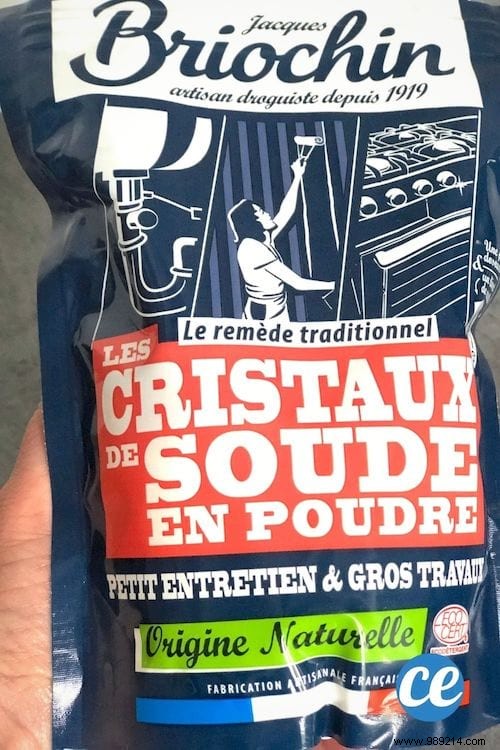
Soda crystals are the heavy-duty option for tough household jobs. They saponify grease—turning it into soap that rinses away easily.
Key applications:
- Disinfects: Mix 1 tsp in 1 liter hot water for a natural disinfectant. Ideal for floors, countertops, bathrooms, and garbage cans—kills bacteria without bleach fumes. Find out how here.
- Degreases: For burnt-on stove grease, dissolve 1 tbsp in 1 liter hot water, apply, wait 10 minutes, and wipe clean. Works on utensils too. Check out the trick here.
- Makes shine: Add 70g to hot water, soak dishes 5 minutes, rinse for sparkling results. See how to make degreasing dish soap here.
- Unclogs burnt residue: Sprinkle on pans, add boiling water, soak 6 hours, scrub, and rinse. Check out the trick here.
- Removes limescale: 2 tbsp in 2 liters hot water; scrub faucets, showers, tiles, or toilets. Discover the trick here.
- Softens water: Add a handful to laundry drum for hard water (avoid delicates/colors).
- Unclogs drains: ½ glass soda crystals + 1 glass vinegar; pour, wait 30 min, rinse. Check out the trick here.
- Strips wallpaper: 3 tbsp in 2 liters water; apply to loosen. Check out the trick here.
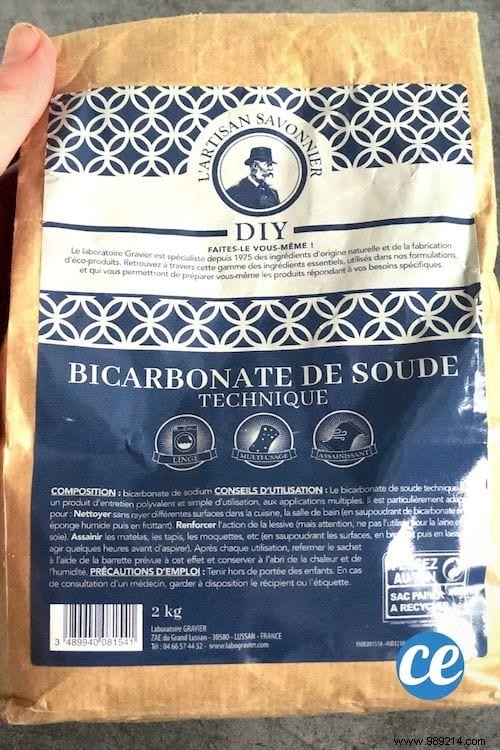
Baking soda (sodium bicarbonate) is milder and multi-purpose, found naturally in springs and lakes. Ancient Egyptians used it for oral care; today, it's made from soda crystals.
Opt for food-grade for health/beauty uses; technical-grade for cleaning (wear gloves).
Its gentle abrasion disinfects, deodorizes, and cleans safely.
- Cleans: Sprinkle on damp sponge for surfaces; rinse dry. Great fungicide/anti-mold. Learn to clean sinks here.
- Softens laundry: 1 cup in drum + 2-3 tbsp in dispenser saves detergent.
- Scrubs: Paste for ovens/hotplates; rinse after 5 min. Use as dish soap. Find out how here.
- Removes limescale: Equal parts baking soda/salt paste for faucets/showers. Find out how here.
- Cleans toilets: 2 tbsp + vinegar; scrub and flush. Find out how here.
- Eliminates odors: Cup in fridge; sprinkle on fabrics (vacuum after 1 hr); in ashtrays.
- Treats fungal infections: Sprinkle in shoes or foot bath (4 tbsp/liter warm water, 15 min).
- Improves oral hygiene: Neutralizes acids, fights plaque. Discover the remedy here.
- Treats canker sores: 1 tsp in glass cold water as mouthwash. Discover the remedy here.
- Whitens teeth: Sprinkle on toothbrush (use sparingly). Check out the trick here.
- Aids digestion: 1 tbsp in water; or in cooking water for veggies. Discover the remedy here.
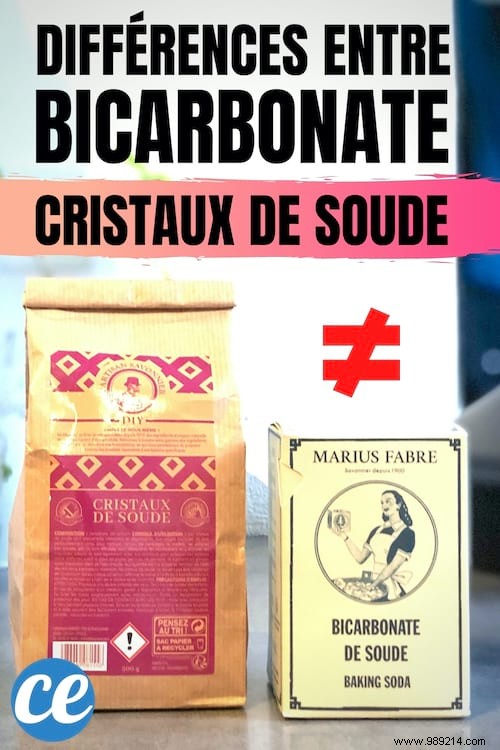
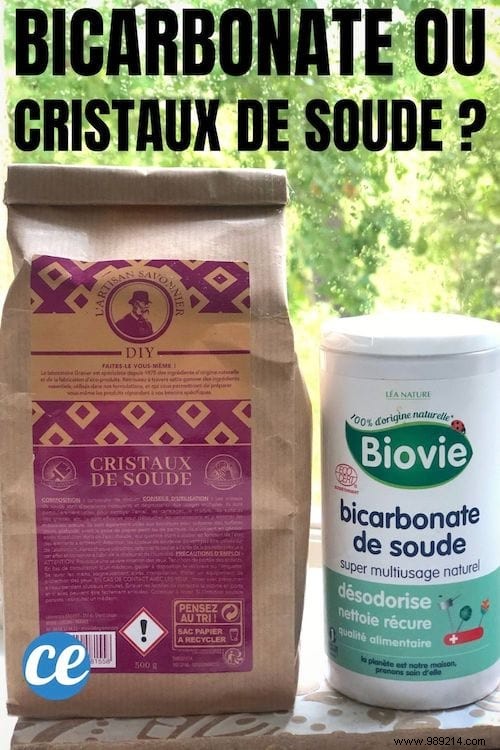
Available at supermarkets, hardware stores, organic shops, or online for food-grade, technical, or crystals.