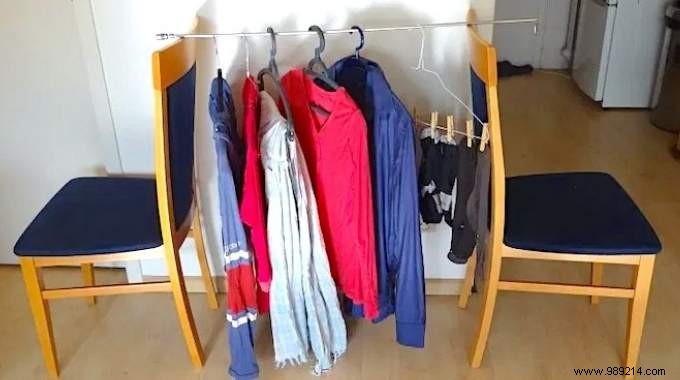
Like many people without a clothes dryer, I've been air-drying laundry indoors for years, especially during winter. Space and budget constraints mean relying on a drying rack in the living room, but it often takes forever—and clothes can end up damp and musty.
Drying indoors isn't ideal, but with the right techniques, you can speed it up dramatically. Drawing from my own trial-and-error experience, here are 10 practical tips to get your clothes dry much faster. Watch how:

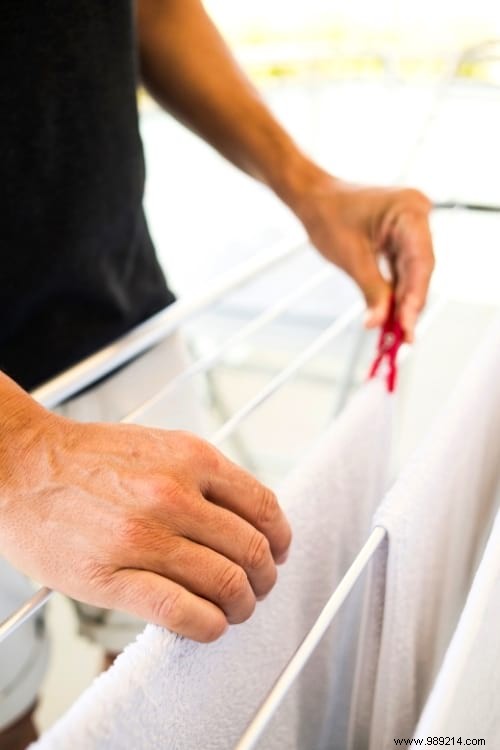
Start your wash cycle in the evening so you can hang laundry in the morning before work. This gives clothes all day to dry.
To accelerate the process, place the rack strategically: in a room with good airflow, ideally near a radiator, dehumidifier, or sun-facing window. Heat and light work wonders.
When you return home, air out the room for at least 10 minutes to release moisture and keep drying on track. From my experience, this simple habit makes a huge difference.
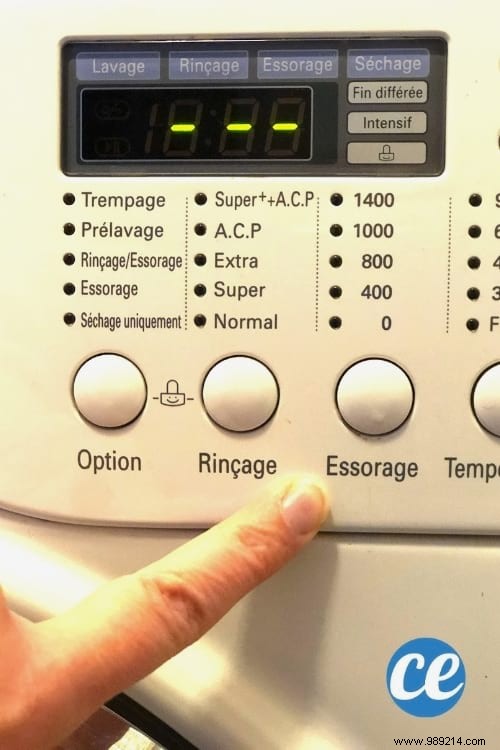
A faster spin extracts more water upfront, so clothes hit the rack less soggy. It uses a bit more energy but far less than a full dryer cycle.
Check fabric care labels—most cottons and synthetics handle it fine, but skip delicates like wool or cashmere.
This overlooked hack is a game-changer: After the wash, run a quick spin-only cycle at max speed (no rinse needed, about 10 minutes).
Extra water comes out, leaving clothes noticeably drier and faster to air-dry.

Avoid overcrowding—space allows air to circulate freely, speeding evaporation and preventing musty odors.
Use every inch of the rack, and if needed, hang extras on doors, chairs, or windows. Patience here pays off.
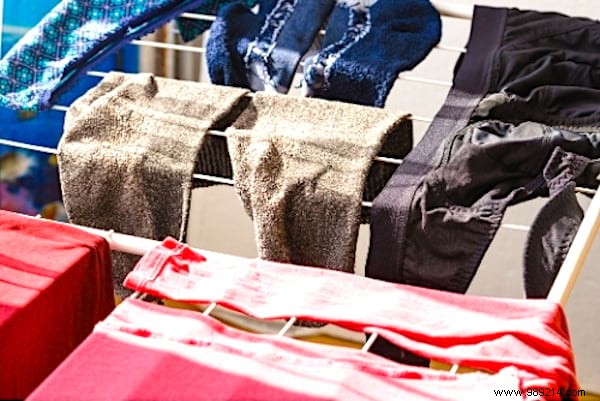
Thin items need one bar, but drape jeans, towels, and heavy fabrics across two. This boosts airflow and keeps layers separated for even drying.
It's my go-to for odor-free results in small spaces.
Heavier items like jeans dry unevenly, so check and turn them often, exposing wetter areas to heat or air.

Focus on pockets, cuffs, and underarms. Dry inside-out for better exposure, and remove fully dry pieces to free space. This keeps everything fresh.
Lay the wet item on a thick towel, roll tightly, and twist from end to end. The towel soaks up excess water, jumpstarting air-drying.
Place the damp garment on an ironing board, cover with a thin towel, and iron on high. Heat evaporates moisture through the towel—flip and repeat.
Always use the towel to protect fabrics; direct heat on wet cloth can damage them.
For emergencies only (not eco-friendly), target thick spots with low-to-medium heat, rotating often. Airflow matters more than max temp.
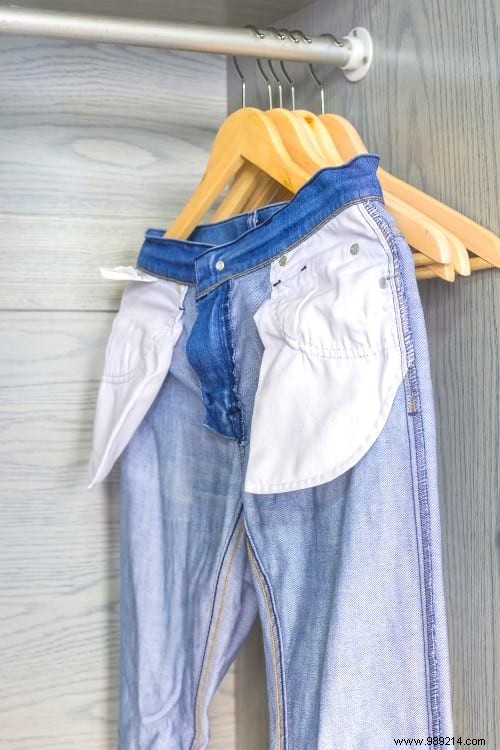
Hang shirts and tees directly on hangers from the rack, radiator edges, doors, or closets. Saves rack space, reduces wrinkles, and skips ironing.

A top rack offers ample space for airflow (no musty smells), sturdy build for wet loads, and compact folding.
I've tested many over two years; this one holds tons without dominating the room and has hanger hooks as a bonus.