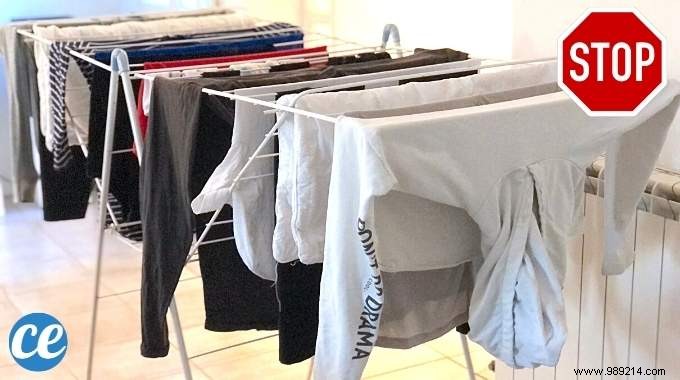
Discover why drying clothes indoors can harm your health and home. As someone who's made the switch after learning the facts, I now prioritize safer methods.
Humidity spikes from wet laundry create mold risks and more. Here's the evidence and solutions.
 Contents
 Research shows ideal indoor humidity stays between 40% and 50%, per a study led by Professor Nick Osborne of environmental health at the University of New South Wales in Sydney.
Drying laundry indoors spikes humidity by 30% immediately, keeping it 15% higher for days. Add damp coats, showers, and cooking, and levels exceed safe thresholds fast—creating ideal conditions for dust mites and mold.
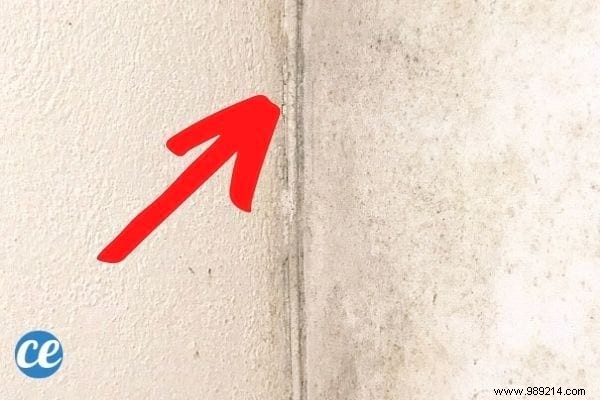
Excess moisture settles on walls and furniture, fostering mold. This triggers respiratory issues. Act quickly to remove any mold you spot.

For those with respiratory conditions like asthma, mold spores irritate airways and provoke attacks.

High humidity fosters allergies and, rarely, serious lung infections. "Every year, patients end up in intensive care from these," notes Professor David Denning, Director of the National Aspergillosis Center in Manchester. Understanding humidity dangers is key.
Additional downsides include feeling colder (leading to higher heating bills), musty odors (especially on towels), dust mite proliferation (causing allergies), faster rust on metals, headaches, fatigue, and window condensation.

Outdoor drying is healthy, natural, and cost-effective—avoiding dryer energy costs. Sunlight's UV rays kill bacteria, bleach fabrics naturally, and prevent odors. Ideal when weather allows.

Even in winter or rain, follow these proven strategies to minimize risks:
Maximize spin to remove more water, but avoid over-spinning delicates.
Daytime warmth and light speed drying. Choose ventilated spots away from bedrooms.
Allow air circulation to prevent odors. Do smaller loads if space is tight.
Free up space for damp ones, speeding overall drying.
Hang shirts on hangers from doors or chairs to save rack space and reduce wrinkles. Pegs help spacing.
Opt for rooms with windows for ventilation. Avoid baby's room due to fragile airways.
It's already humid—use a hygrometer to find the best spot.
Keep 20 cm away for safety and faster drying.
Absorb moisture effectively with a device or DIY option.
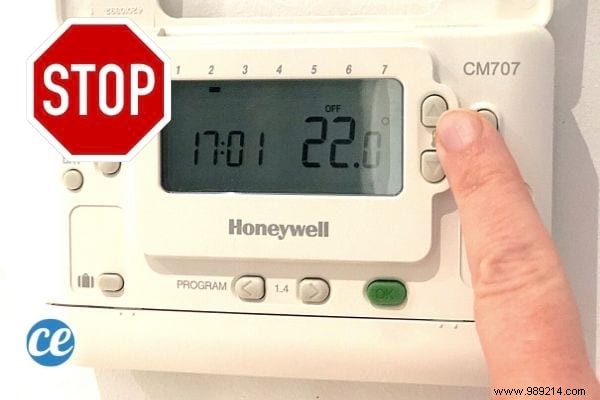
Open windows 15 minutes twice daily (more if possible), turning off radiators during.
