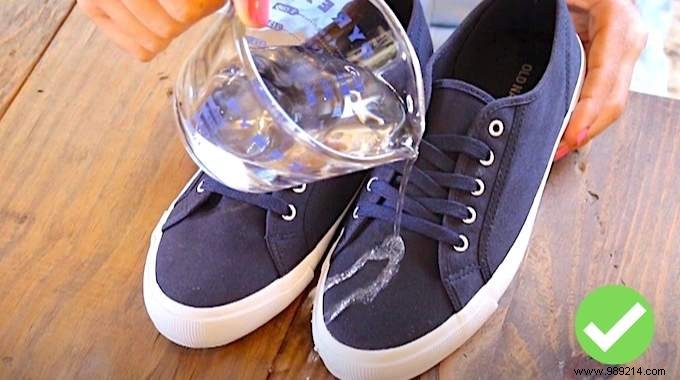
Want to extend the life of your favorite shoes? Start by waterproofing them properly. As someone who's tested countless home remedies on footwear over years of outdoor adventures, I recommend skipping chemical sprays that harm the environment. Instead, try these two simple, natural methods backed by real-world results.
Here's how to waterproof your shoes naturally and effectively:
 Contents
 Different materials require different approaches to waterproofing. Treating the wrong type can ruin your shoes permanently.
Avoid waterproofing patent leather, velvet, or decorative shoes with sequins.
However, nubuck, suede, imitation leather, mesh, or canvas must be treated. Sneakers and hiking boots also benefit from protection against rain.
Always clean and dust your shoes thoroughly first with a cloth or suede brush.
Now, let's dive into the two methods.

This budget-friendly technique excels for canvas shoes. Grab a white candle (like a tealight) or one matching your shoes' color.
Repeat until fully covered. This thin wax layer repels water, preventing stains and infiltration.
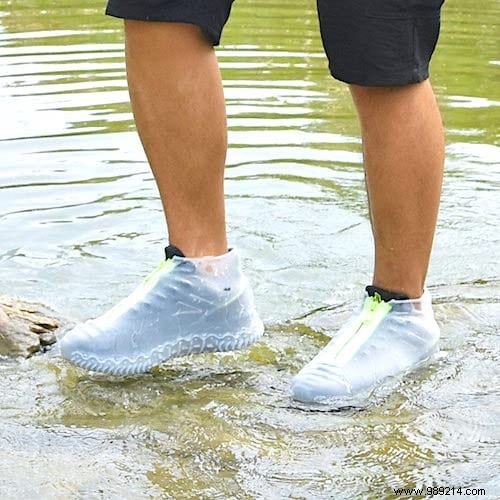
For extra caution on premium shoes, carry shoe covers for sudden rain—they're lifesavers.
If your shoes get wet anyway, stuff them with newspaper for absorption (blotter effect works wonders) and add scented tea bags to neutralize odors. Check out the trick here.
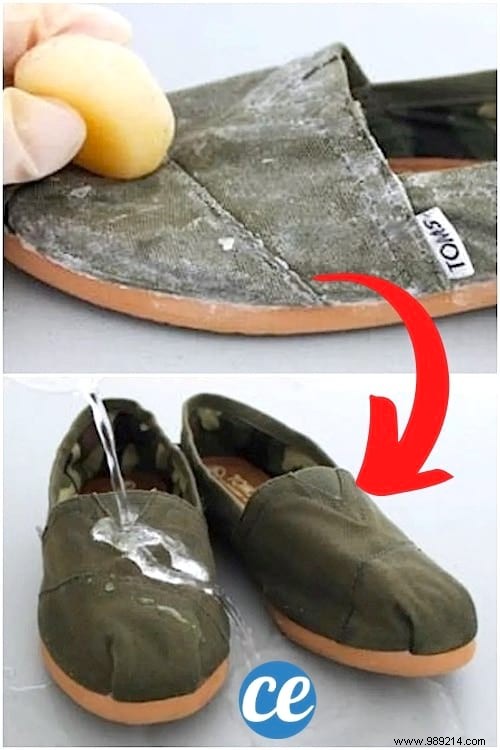
Ditch chemical leather sprays for this eco-friendly beeswax alternative I've relied on for years.
In a double boiler, melt 2 tablespoons of beeswax pellets with 1/2 teaspoon of vegetable oil (olive, coconut, etc.) until smooth.
Apply with a brush, working it into the leather. Use a hairdryer and clean old socks or tights to buff it in. White traces vanish as it dries. Your leather shoes are now naturally waterproof.
Reapply monthly or when water starts penetrating. Use beeswax only on leather or canvas—avoid suede.
Dedicate a brush to beeswax; clean with hot soapy water post-use. Soak in the mix if bristles harden.
This method works on bags and belts too. Skip petroleum jelly—it's still petroleum-based. Make natural Vaseline instead: melt coconut oil, olive oil, beeswax, and vitamin E.
Salespeople push "miracle" sprays, but they include aerosols, solvents, hydrocarbons, paraffin, nanoparticles, and endocrine disruptors. These harm health and the planet via inhalation risks and pollution.
Opt for natural methods—they're proven effective without the toxins.
