After years of ditching store-bought items, I'm sharing how to make everyday essentials yourself. It's not about deprivation—it's about creating natural, effective alternatives that work better.
From my experience, this habit saves me hundreds of euros annually, promotes healthier living by avoiding processed chemicals, and supports a zero-waste lifestyle with less plastic packaging.
Discover 27 proven DIY projects to reclaim control over what you use daily.
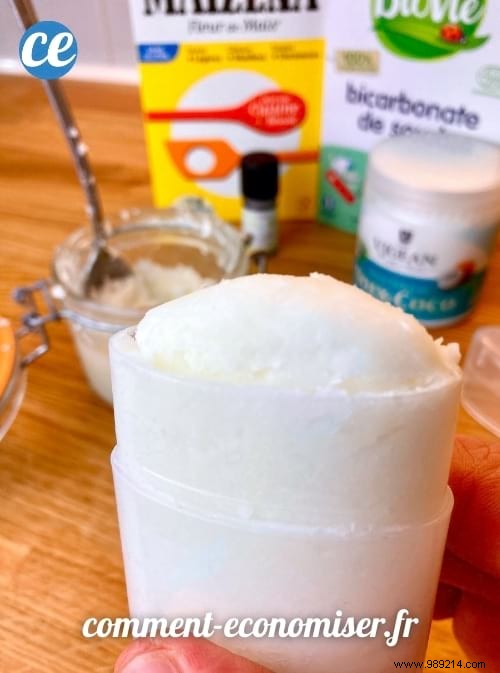
Commercial deodorants often rely on aluminum chloride to block sweat, which our skin absorbs and may harm health over time.
I've switched to natural options that work just as well, especially if you don't sweat heavily.
The recipe takes only 5 minutes and costs pennies. Find it here or try this stick version.
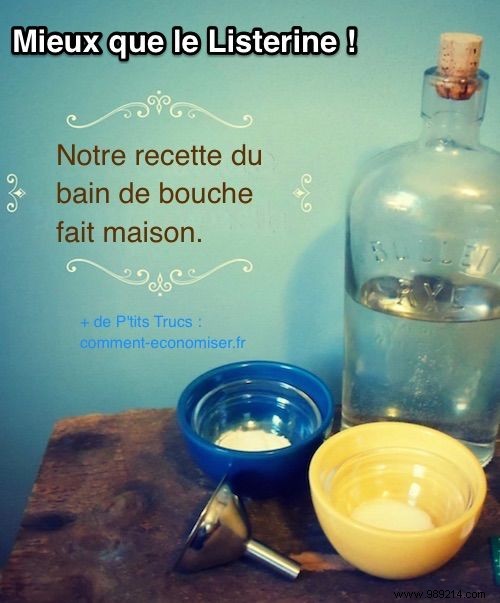
Mouthwash helps prevent cavities and freshens breath, but store versions often include questionable ingredients.
Replace them with this simple natural recipe—effective for just cents per batch. Here's another variation.
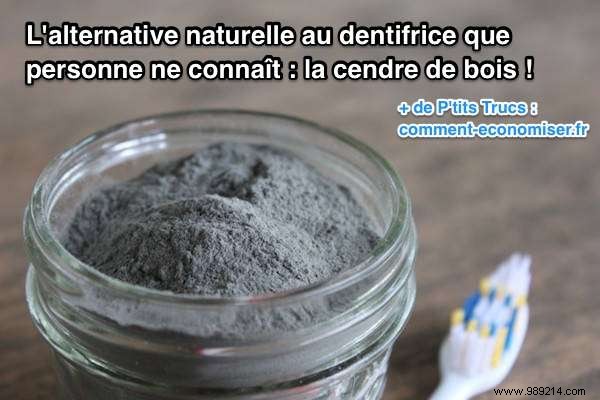
Conventional toothpastes contain fluoride, microplastics, and sodium lauryl sulfate, which can irritate and trigger allergies.
I've tested these two natural recipes: one with green clay, baking soda, and cloves; another with sage, anise, and wood ash.
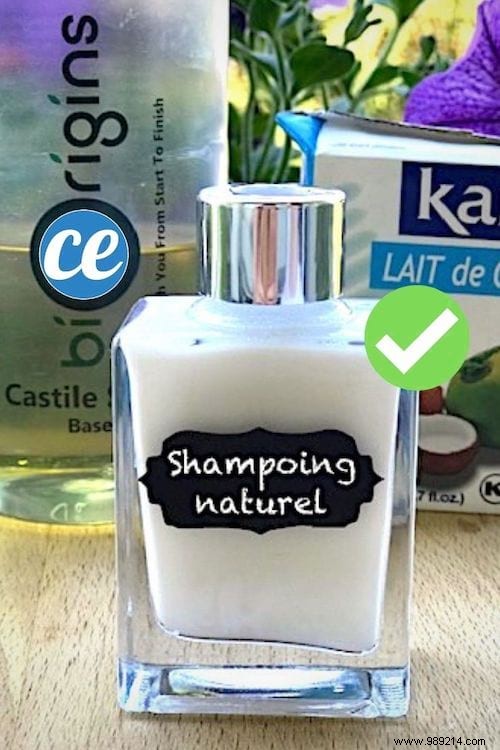
Industrial shampoos are laden with silicones, dyes, and additives. Natural substitutes are cheaper and suit all hair types.
Try coconut milk for dry, damaged, or curly hair. Chestnut shampoo (rich in saponins) cleanses and revitalizes scalps—nearly free from foraged nuts.
Rhassoul clay works wonders for oily hair. Baking soda cleans deeply and promotes growth—learn how here. For dry days, use this dry shampoo.

Skip chemical-laden conditioners. Natural options restore shine and strength affordably.
Cider vinegar rinses balance pH; coconut oil masks nourish deeply. Castor oil rejuvenates, and coffee grounds (free!) add strength and gloss.
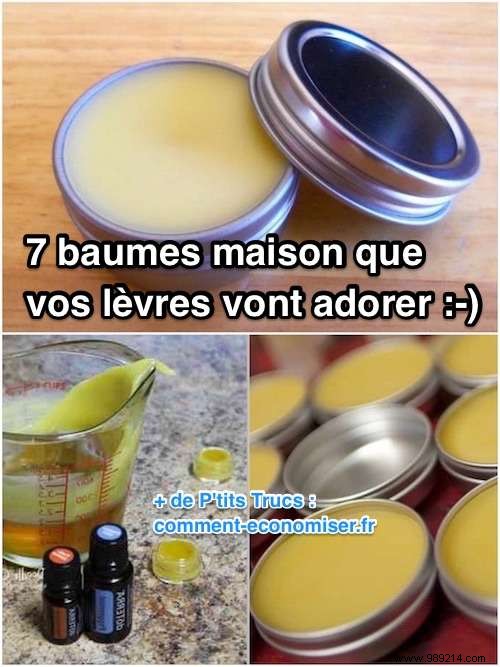
Most balms use petroleum-derived mineral oils. These 7 natural recipes outperform them economically and safely.
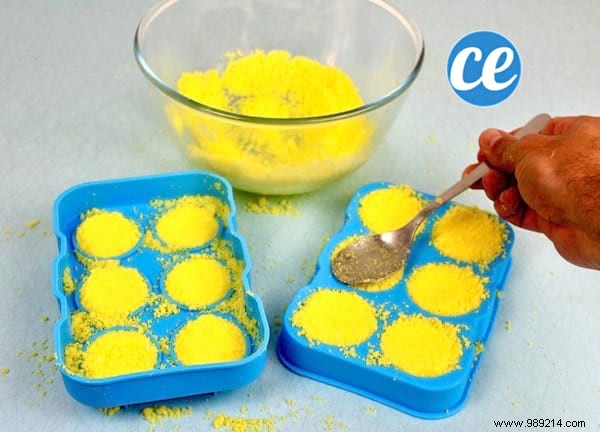
Store bath bombs are chemical-heavy and pricey. Make yours with this easy recipe—soothing, fragrant, and cheaper than Lush. Or try effervescent pebbles.
Peelings (exfoliating scrubs) slough off dead skin, but commercial ones release plastic micro beads into waterways.
Natural versions with coffee grounds, salts, or coconut oil protect skin and the planet.

Disposable wipes are chemical-filled and wasteful. Make reusable, natural ones cheaply here.
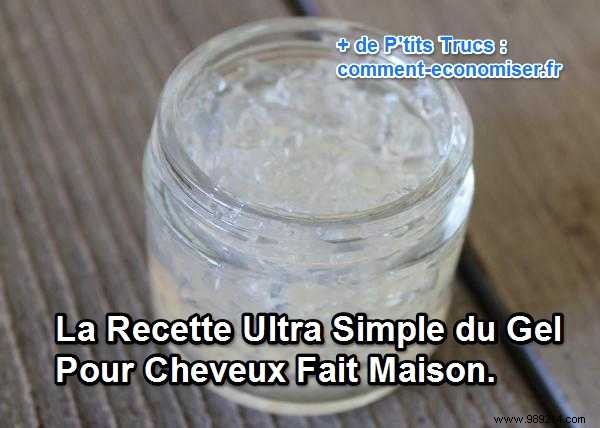
Skip damaging gels and irons. Homemade flaxseed gel, egg-honey straighteners, or beer for volume work reliably and cheaply.
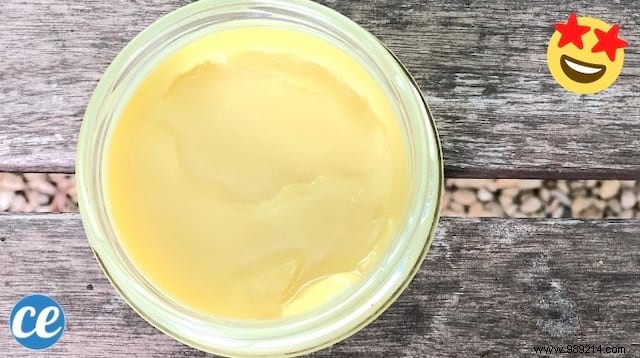
Synthetic creams from mineral oils disrupt hormones. Edible natural remedies hydrate better: hand salve, nourishing day cream, or deep hydrator.
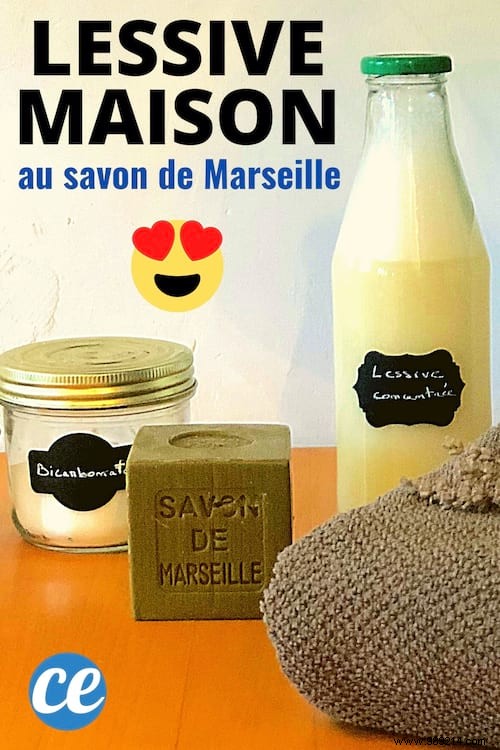
I've ditched detergents for years using foraged chestnuts, ivy, or wood ash—super effective and free. Thermomix users: try this method.
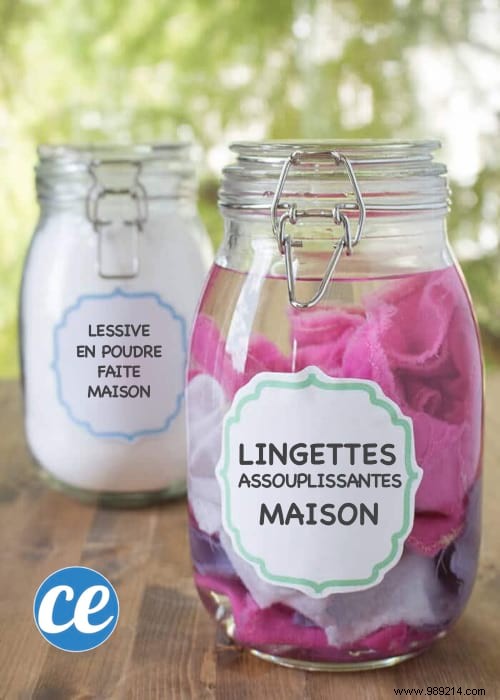
Store softeners pollute with chemicals. This quick natural version saves money and freshens naturally.
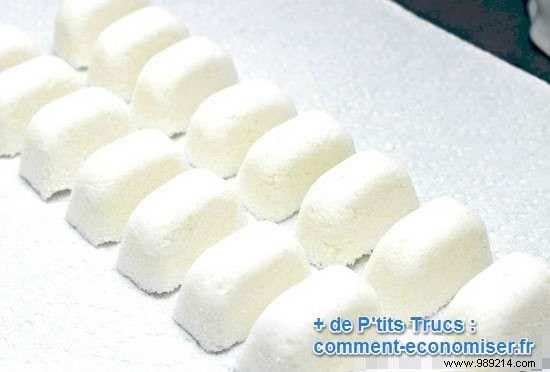
Surprisingly simple and spotless results. Economical recipe here.
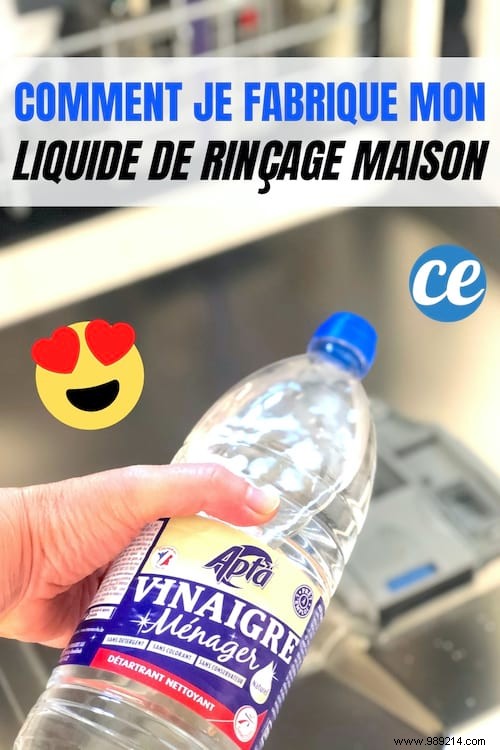
White vinegar eliminates spots and shines dishes perfectly—no need to buy.
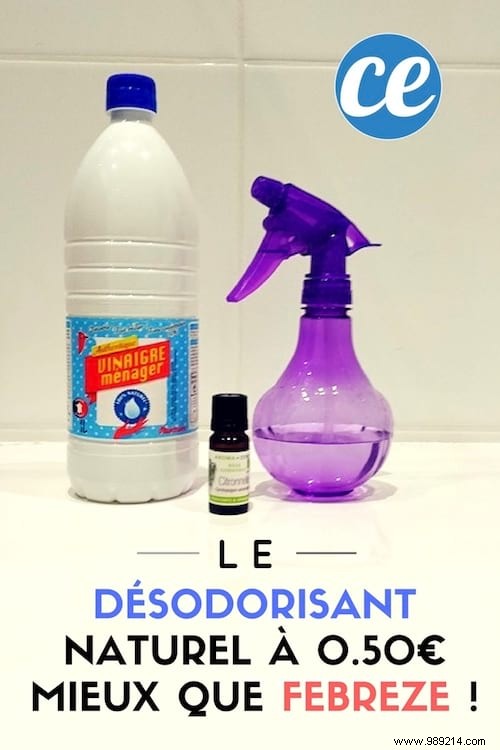
Skip toxic sprays with 15+ chemicals. This natural Febreze alternative costs pennies.
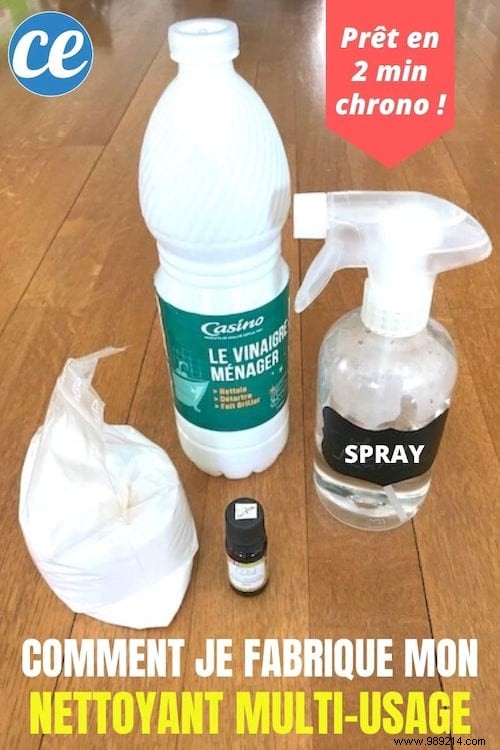
Vinegar-baking soda or lemon versions clean effectively without harsh chemicals. Love this DIY fave.
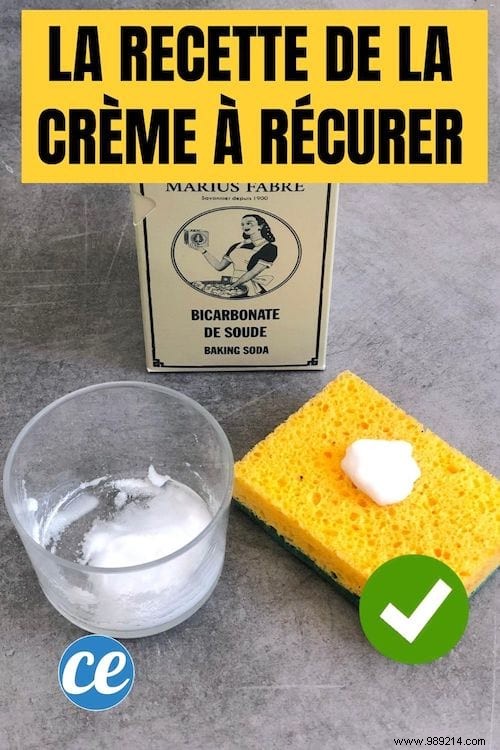
For tough grime, this eco-friendly powerhouse outperforms store brands safely.
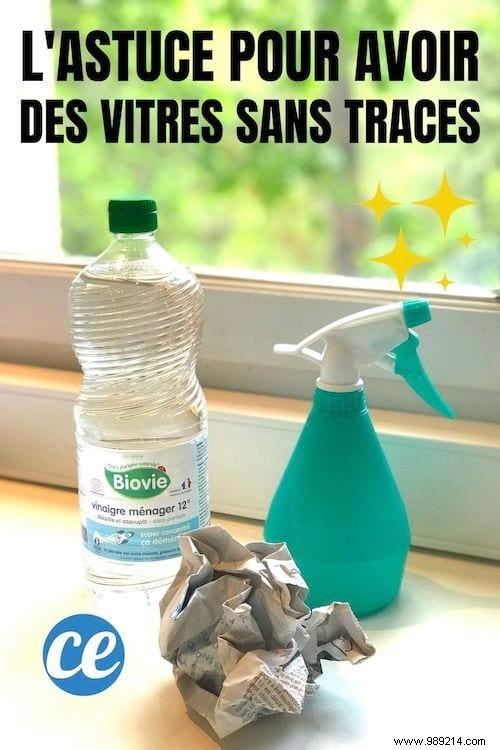
Water, vinegar, and basics make streak-free shine. For heavy dirt, this natural powerhouse.

Paraffin candles release toxins. Soy wax or beeswax recipes create safe, scented ambiance affordably. Easy wax removal tip.
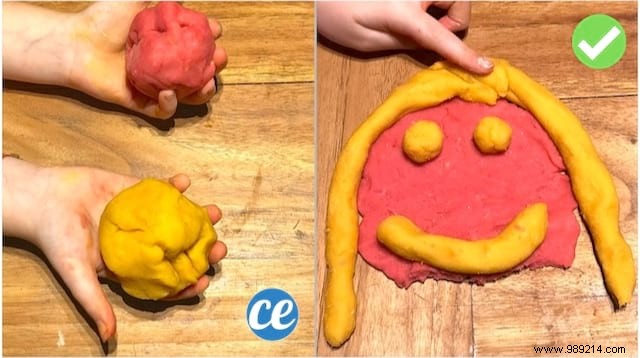
Store clay has plasticizers unsafe for kids. This edible homemade version sparks creativity safely.
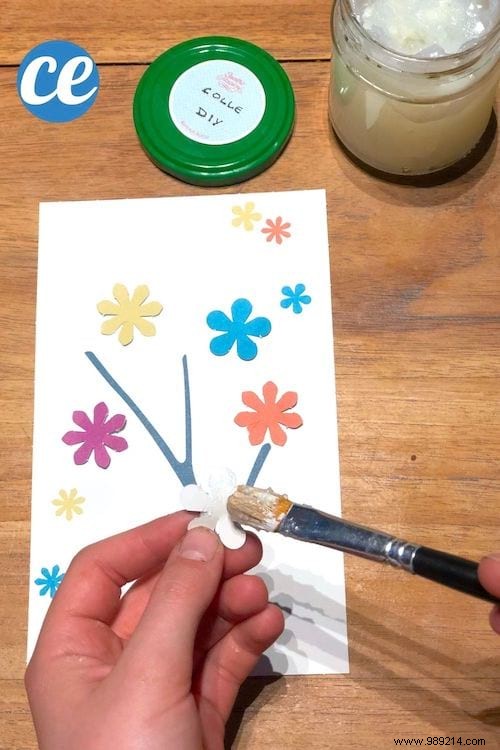
Non-toxic, edible glue recipe perfect for child crafts.
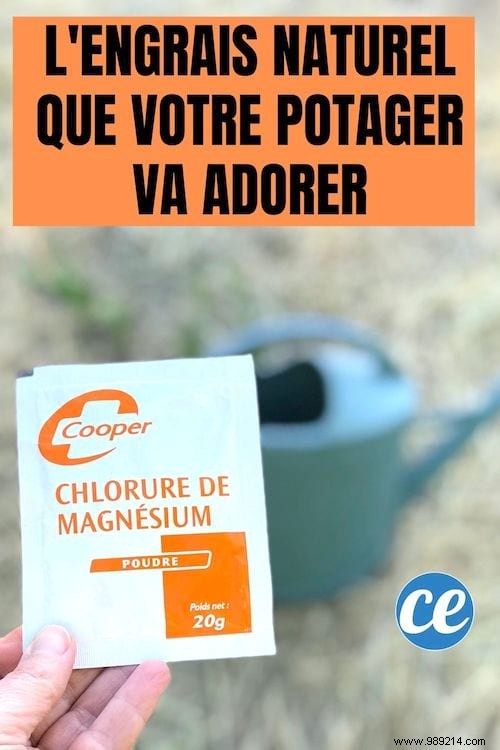
Glyphosate and synthetics risk health—I've switched to safe naturals: 7 fertilizers, cooking water, magnesium chloride, plant revivers, aphid spray.
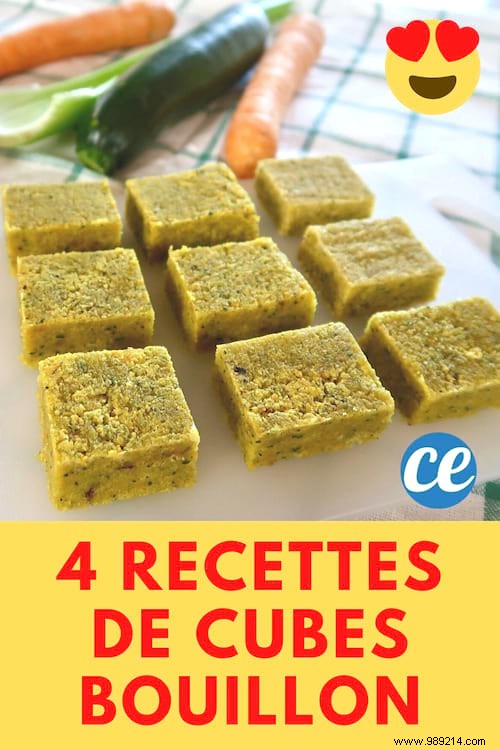
Store cubes are additive-heavy with minimal veggies. These 4 homemade versions taste superior.
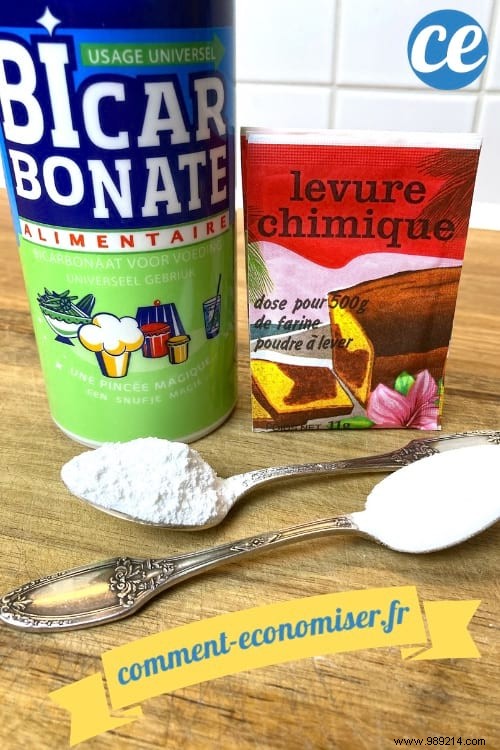
No baking powder? Baking soda works perfectly, as my grandmother taught—precise ratios for best results.

Bagged teas lack quality. Forage 26 plants for free, healthy infusions.
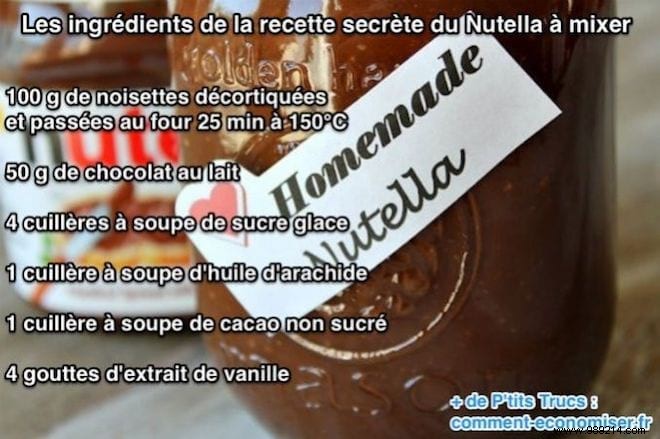
Nutella's sugar and palm oil harm health and environment. Customize healthier homemade versions here.