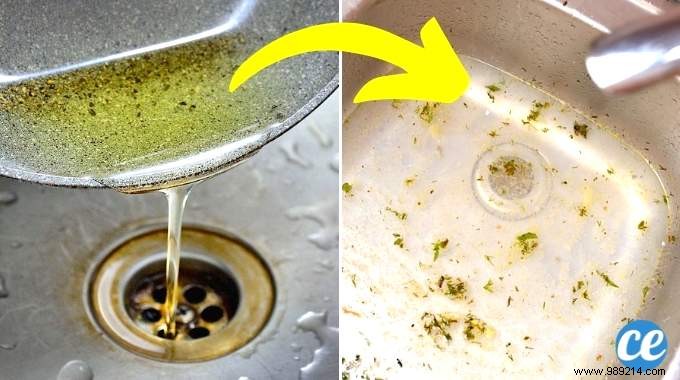
Don't mistake your sink for a garbage disposal. It's tempting to rinse food scraps, peelings, grease, and chemicals down the drain for quick cleanup. But this damages the environment, invites frequent clogs, and leads to expensive plumber visits. As someone who's seen countless plumbing issues firsthand, I'll share the 12 items you should never pour down the sink to keep your pipes flowing smoothly.
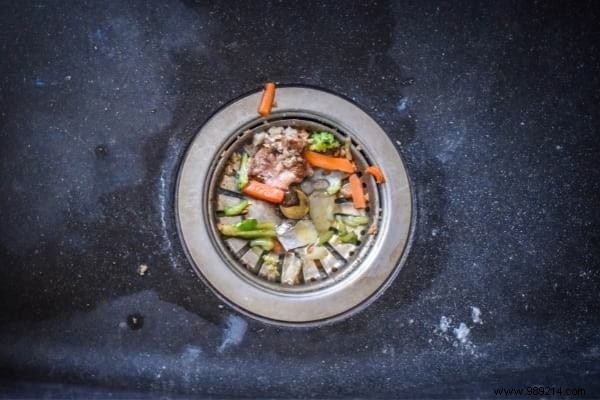
Fibrous, greasy, or starchy food waste clumps up inside pipes. Take pasta or rice: even a small amount expands dramatically in water, creating blockages in narrow drain lines. Beyond clogs, leftovers attract pests and harm your plumbing and the environment. Here's what to avoid.
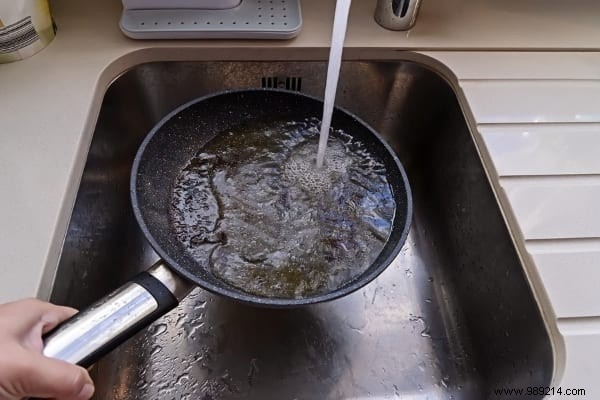
This includes cooking oil, butter, meat drippings, and creamy sauces like mayonnaise. They start liquid but solidify in pipes, coating walls and gradually blocking flow. Instead, pour cooled fats into an old plastic bottle using a funnel, or let them harden and toss in the trash.
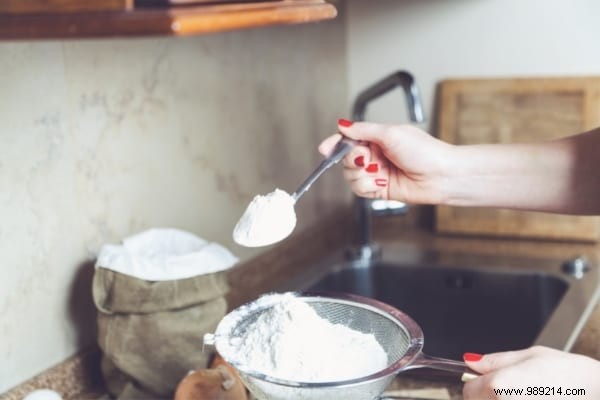
Flour thickens sauces because it forms a sticky paste with water—think old-school wallpaper paste. Down the drain, it adheres to pipes, building up over time. Wipe it up or dispose in the trash instead.
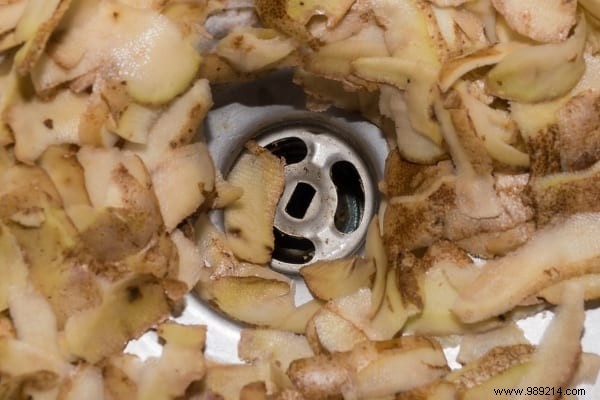
Even small amounts tangle and clump in pipes. Compost them instead for an eco-friendly alternative that benefits your garden.
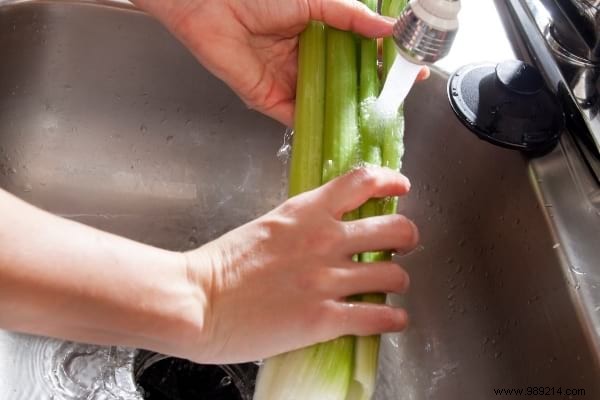
Celery's tough fibers don't break down easily, and the same goes for other stringy veggies like asparagus. Trash or compost them to spare your drains.
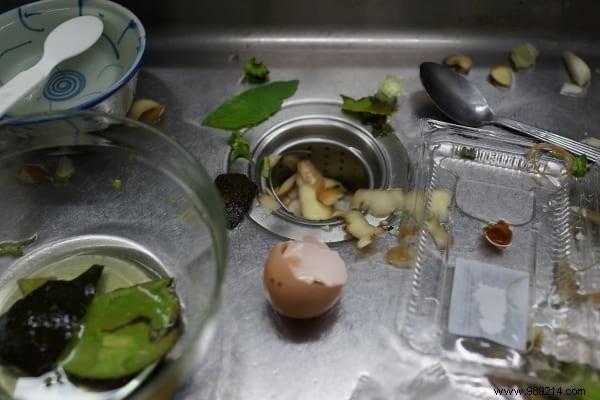
Crushed or whole, eggshells sharpen and damage grinders while clogging pipes as they degrade. Add them to compost or use in the garden—they're great for soil.

Bones are too hard for pipes or most disposals. Even tiny pieces cause serious obstructions—dispose in the trash.
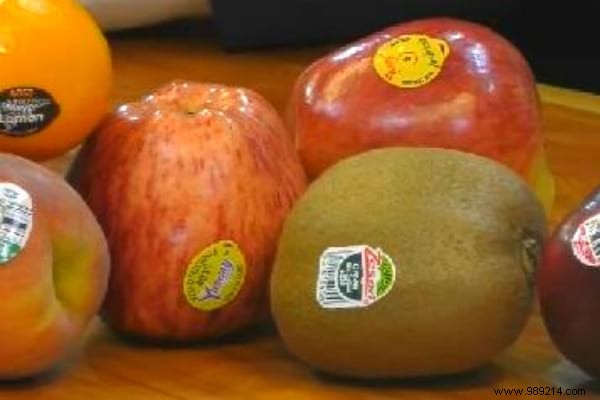
Fruit stickers and paper bits don't dissolve quickly, even biodegradable ones. They accumulate, mat together, and block drains—remove and trash them first.
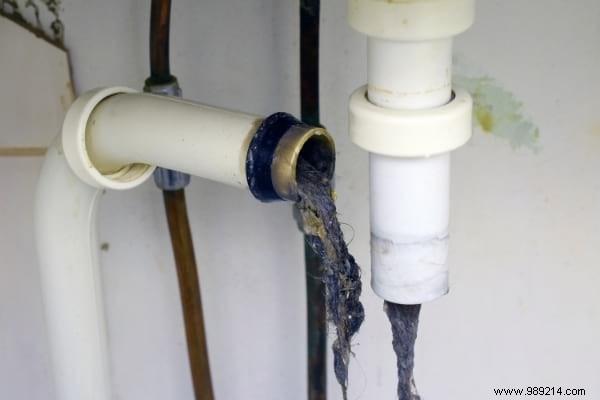
Hair is a top clog culprit, especially combined with grease. Clean sinks after shaving or brushing to prevent buildup.
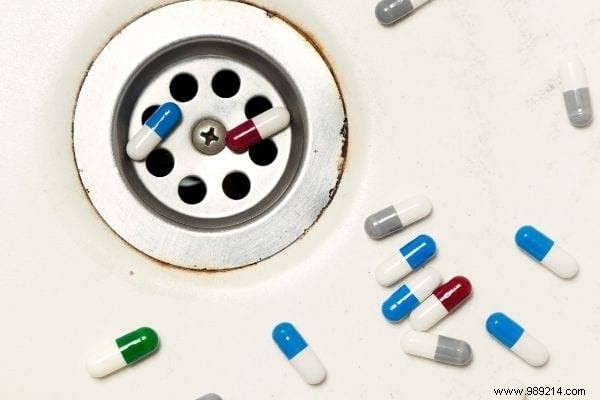
Never rinse syrups, pills, or expired meds down the drain—they pollute waterways. Return them to a pharmacy for safe disposal.
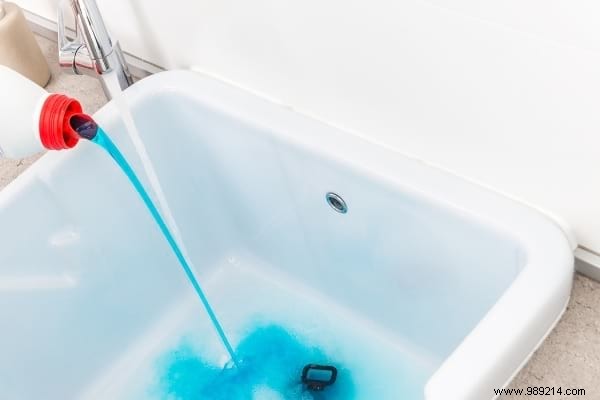
Pesticides, paints, varnishes, and solvents harm health and ecosystems. Follow label instructions or take to a recycling center.
Bleach, ammonia, and harsh cleaners damage sewers and wildlife. Opt for natural alternatives like vinegar and baking soda, or consult your recycling center.
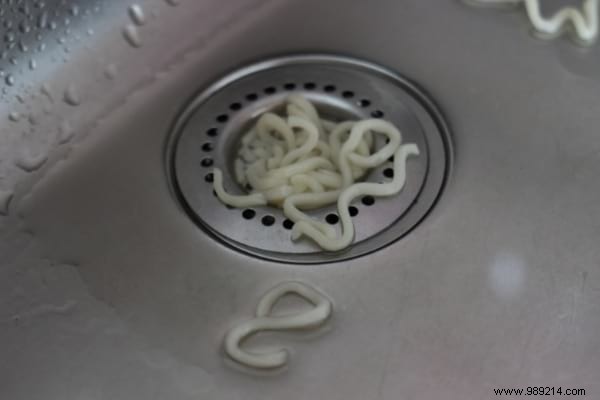
These starches swell in water, sticking together to form unbreakable clogs. Scoop strays into the trash during draining.
Accidents happen, so use these proven prevention methods I've recommended to clients for years.
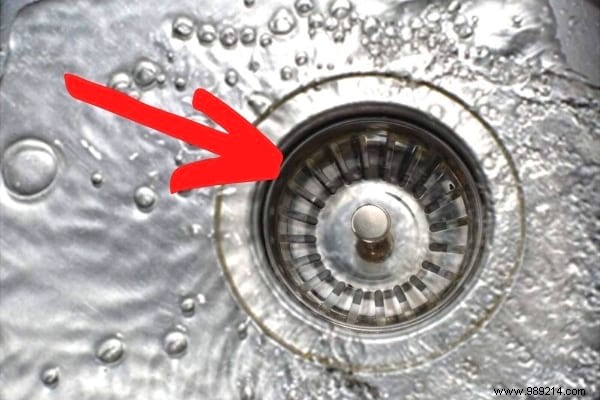
Affordable strainers fit over drains, catching waste before it enters pipes. Empty them regularly for hassle-free protection.
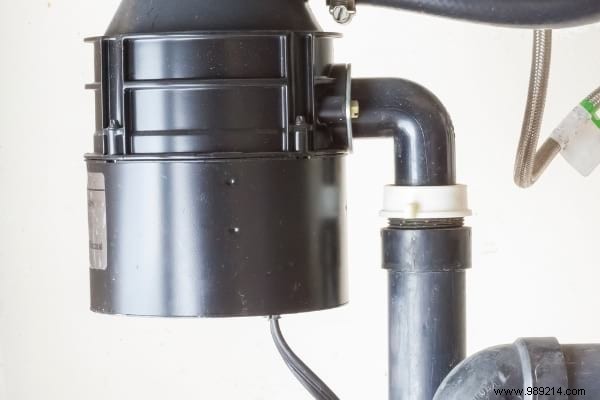
These under-sink units pulverize organic waste into tiny particles for safe wastewater disposal. Common in places like Canada, they use water and power—ideal for food scraps only.
Regular maintenance keeps pipes clear. I've used simple routines like hot water flushes to eliminate issues. For clogs, natural remedies outperform chemicals—no plumber needed.
