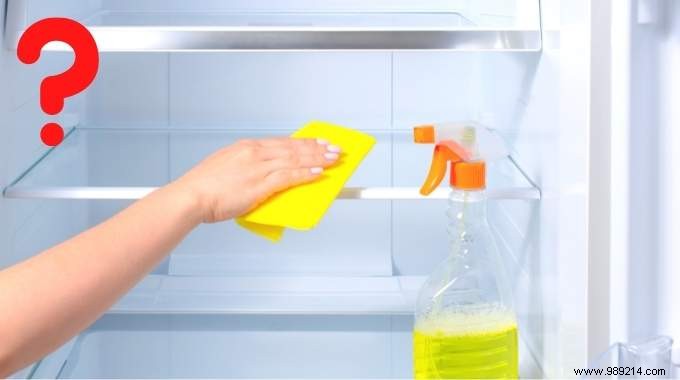
Refrigerators accumulate dirt, spills, and odors quickly—especially in households with children. Regular cleaning prevents bacterial growth and maintains food safety. When was your last thorough clean?
A structured schedule keeps your fridge pristine: deep clean every 3 months, plus daily and weekly maintenance.

Refrigerators harbor mold, grime, and odors as part of daily use. A consistent cleaning schedule ensures it stays hygienic.
Use this proven guide—based on practical home maintenance experience—to keep every part spotless and eliminate odors permanently.
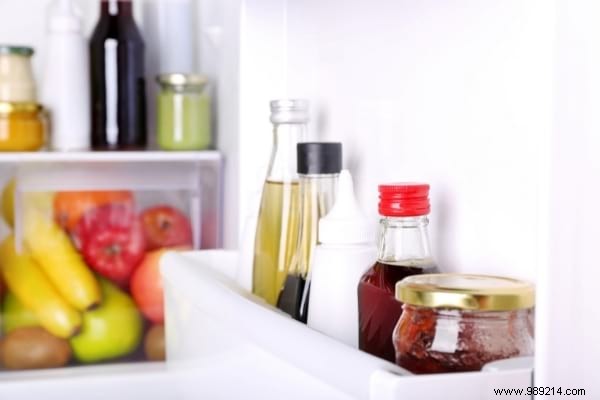
Focus on condiments like jam jars, ketchup bottles, sauces, mustard, and dressings. These often drip, so rinse and wipe exteriors daily.
Store them in an egg carton to protect shelves. Immediately clean any spills—even small ones harden into mold quickly. From experience, prompt action saves hours later.
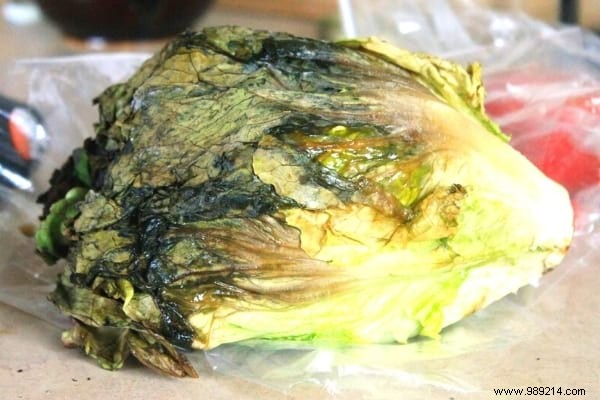
Weekly, inspect all items: discard expired, rotten, or moldy food. Check vegetable drawers (e.g., wilted lettuce) and the back shelves for forgotten items.
Prevent odors and bacterial spread by removing them promptly. Related read: The 18 Foods You Can Eat Even Expired.
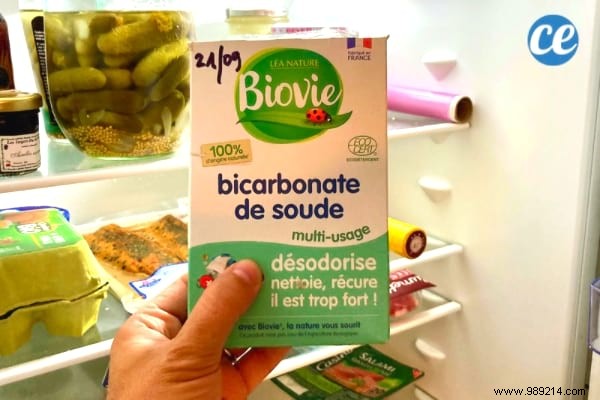
Swap out the baking soda box (or open cup) every 2 months. Date it upon placement—its odor-absorbing power fades after this period.
Baking soda is a trusted, affordable natural deodorizer. Related read: The 7 Dangers of Baking Soda Everyone Should Know.
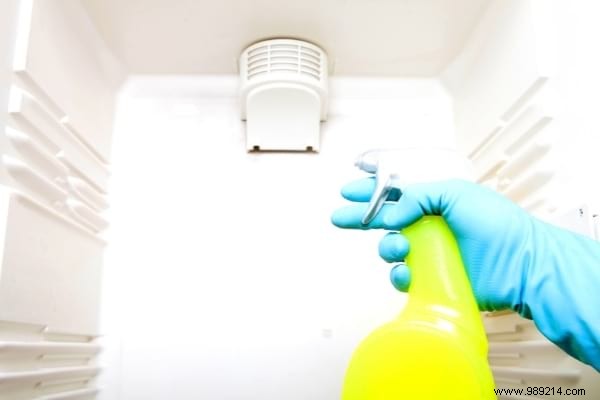
Schedule a deep clean every 3 months. Time it before grocery shopping: let the fridge empty naturally, then store perishables in coolers during cleaning.
1. Empty everything; discard expired items.
2. Remove drawers (crisper and meat).
3. Wipe shelves and walls with warm soapy water and a clean sponge.
4. Wash drawers in hot soapy water.
5. Clean door seals with diluted white vinegar.
6. Rinse all surfaces with a damp cloth to remove soap residue.
7. Dry thoroughly with a clean cloth; reinstall components.
8. Add fresh baking soda.
9. Wipe exterior with soapy water.
10. For stainless steel, use a homemade spray for fingerprints.
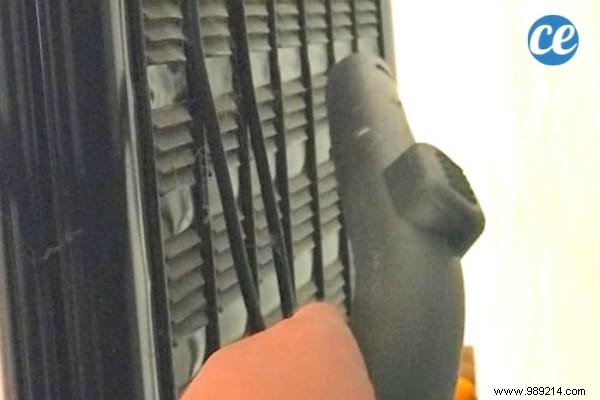
Twice yearly, vacuum the bottom grille with a brush attachment to remove dust and debris. This boosts air circulation, improving efficiency by 3-5% and saving energy.
If wheeled, clean the rear grille too.
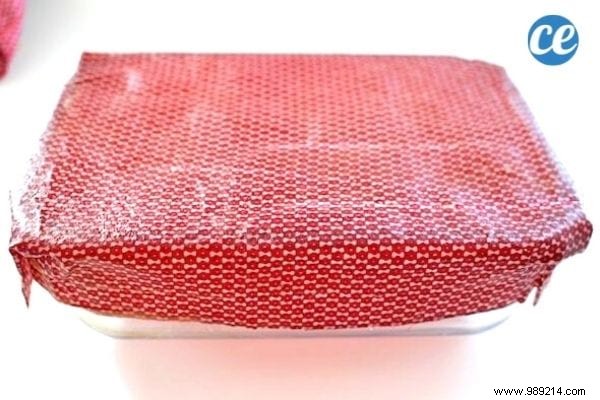
Always cover food to curb bacterial growth and cross-contamination. Use airtight containers for leftovers.
Opt for beeswax wraps as an eco-friendly alternative to plastic film. See Grandma's DIY recipe.
- Unplug before deep cleaning for safety.
- Use a fresh sponge each time—old ones breed bacteria.
- Clean top to bottom to avoid re-soiling.
- Skip harsh chemicals; they contaminate food.
- Old toothbrush excels at seal crevices.
- Maintain 4°C for optimal temperature.
Cleaning may not be fun, but it's essential to eliminate bacteria, prevent contamination, extend appliance life, and optimize energy use.
