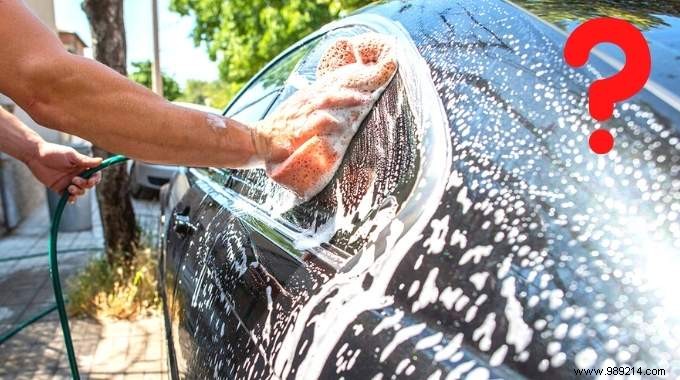
Wondering how often you should wash your car and why it truly matters? As someone with years of hands-on experience maintaining vehicles, I've seen firsthand that regular washing goes far beyond aesthetics.
Periodic cleaning protects and preserves your investment over the long term, reducing repair costs and enhancing safety. It's not just about oil changes or tire pressure—consistent washing plays a key role.
Discover the optimal frequency (and reasons) to wash your car below.
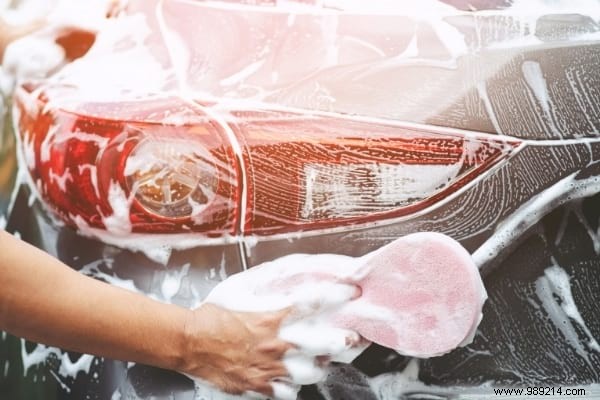
For weekend drivers, washing once a month is typically sufficient. Daily commuters should aim for weekly or bi-weekly washes.
Frequency also depends on your environment: parking location (outdoors or garage), exposure (coastal areas, busy roads, industrial zones, direct sun), and regional climate.
High humidity, winter road salt, or extreme heat accelerates dirt buildup and rust. Adjust accordingly, and schedule a deep clean 1-2 times annually.
Now, let's explore why regular washing is essential.
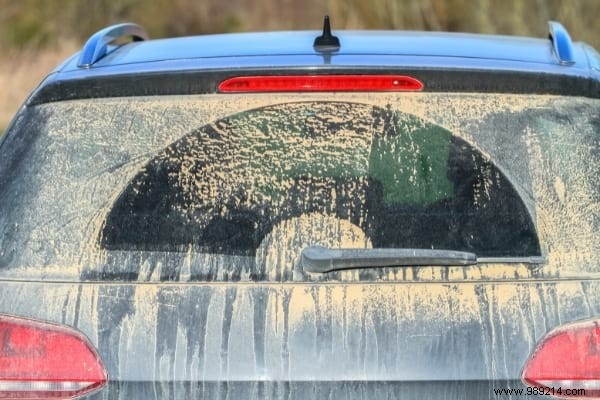
Regular polishing and washing preserve your car's finish, preventing corrosion and premature degradation. Dirt, dust, pollution, pollen, insects, bird droppings, leaves, and tree sap form a corrosive film that damages paint over time.
Maintaining your vehicle through consistent cleaning ensures longevity and lower maintenance costs.

Cleaning grime from windshields, mirrors, and headlights ensures clear visibility and better detection by other drivers—critical for everyone on the road.
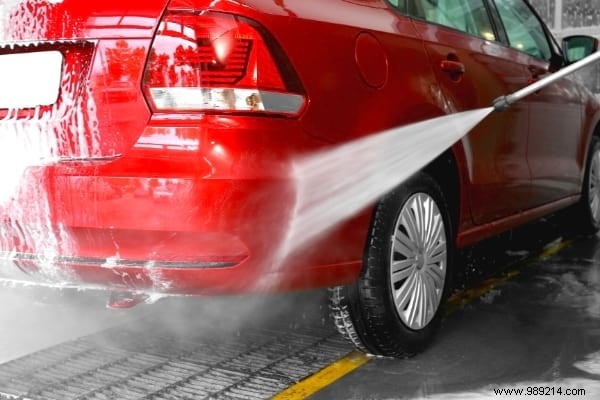
Frequent washing removes polluting particles like iron, nickel, lead, and fuel residues from bodywork and rims, preventing rainwater runoff into groundwater.
Use professional car washes, which recover, treat, and recycle water—saving up to 90% compared to home washing. Note: Washing outside approved facilities is illegal and can result in hefty fines.
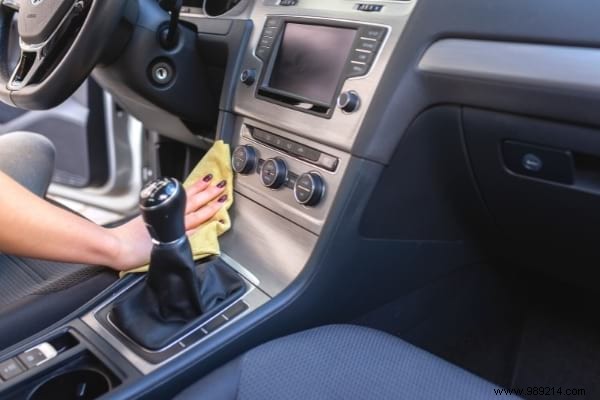
Exterior cleaning isn't enough—regular interior maintenance combats bacteria and fungi thriving in warm, humid conditions. The steering wheel alone harbors around 800 bacteria per cm²—10 times more than a toilet bowl.
Choose wisely: Avoid direct sunlight (over 30°C) or freezing temperatures (below 7°C), as they cause streaking and potential damage to the paintwork.
