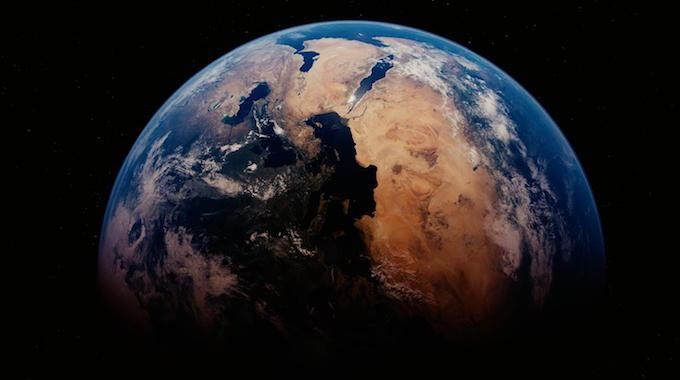
Atmospheric CO2 levels have reached a sobering milestone, raising urgent questions about our planet's future.
Why this concern? Data from the Scripps Institution of Oceanography shows CO2 concentrations at 400 parts per million (ppm). Their analysis, based on weekly monitoring from Hawaii's Mauna Loa Observatory since 1958, indicates this level will not decline—it will only rise.
Experts view this as a potential point of no return for climate stability.
These findings come from decades of precise measurements at Mauna Loa, providing a reliable global benchmark.
Scientists have long warned that exceeding 400 ppm could trigger irreversible shifts. This threshold risks amplifying global warming into a self-sustaining cycle.
The graph below illustrates the relentless upward trend—compelling evidence from authoritative sources.
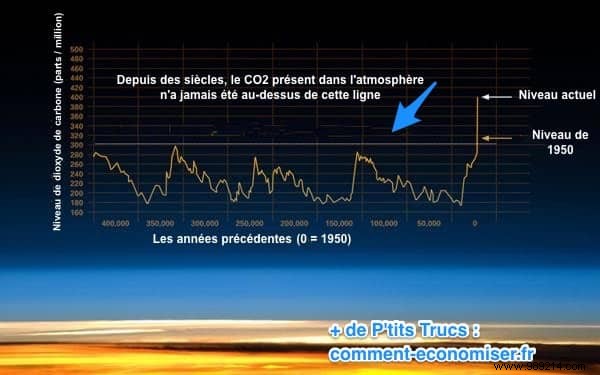
Consensus among climate experts: CO2 levels are set to keep climbing without aggressive intervention.

This stark data could spur global action. The Paris Agreement, signed by 194 nations, commits to capping warming at below 2°C, ideally 1.5°C, through emissions cuts and renewable energy expansion.
However, challenges persist: The U.S., the world's second-largest greenhouse gas emitter, withdrew under President Trump—a setback amid disappointing COP26 outcomes.
Pre-human extinction rates were 1,000 times slower than today's. WWF estimates 10,000 species vanish annually; by 2050, one-quarter could be lost to climate impacts. For deeper insight, read The Sixth Extinction by Elizabeth Kolbert.
Species loss unravels ecosystems. In the Arctic, warming oceans (+7°C in 50 years in Alaska and Canada) hinder seaweed growth, starving zooplankton vital to cod, seals, and polar bears.
Melting glaciers are reshaping coastlines, displacing millions. By 2100, oceans could submerge homes for 13 million people, as seen in Pacific islands—effects likely irreversible even if warming halts.
Oceans absorb excess CO2, dropping pH and devastating marine life. Entire ecosystems have collapsed; Australia's Great Barrier Reef is bleaching irreversibly, altering food webs forever.
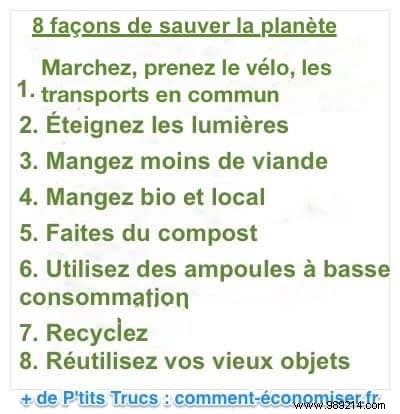
Hope lies in collective action. Start with daily habits: reduce plastic waste, conserve water, save energy. If millions adopt these, real change is possible.
Ready to contribute? Your efforts matter.
